What happens after cannabis is legalized in Canada?

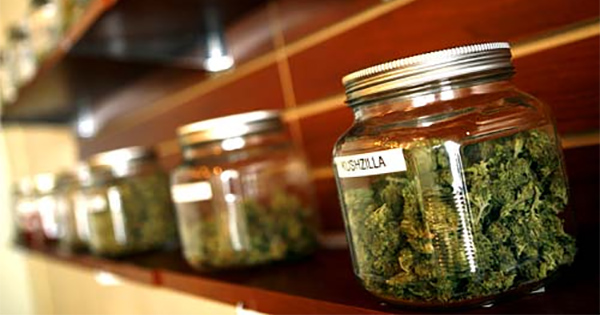
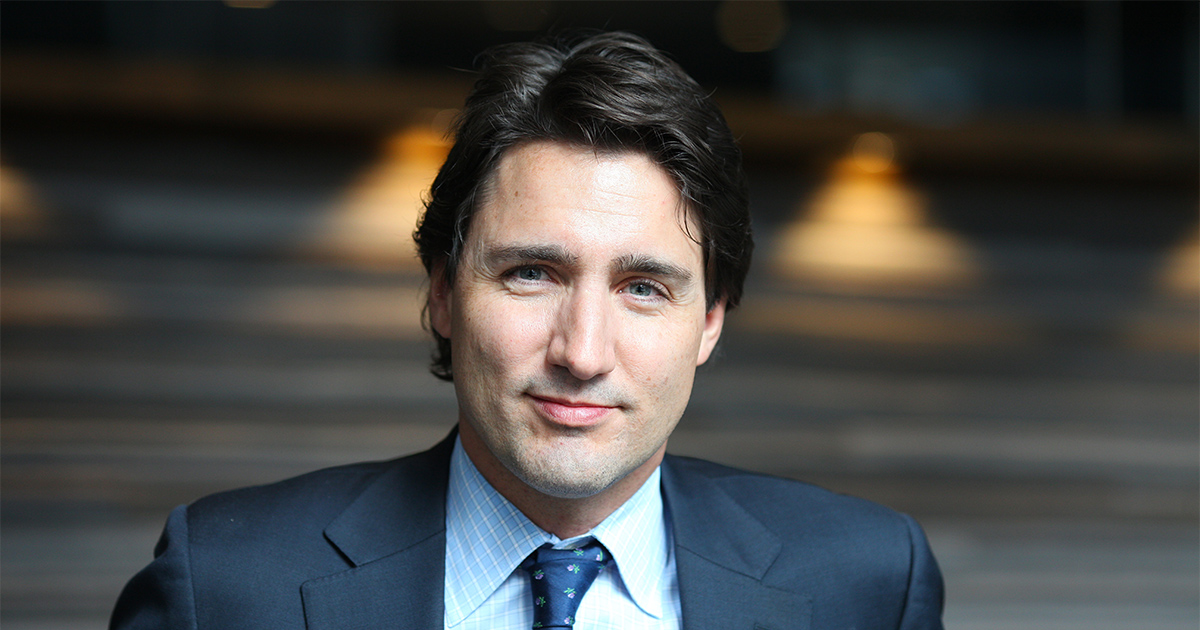
2016 could be the year when Canada legalizes cannabis. Prime Minister Justin Trudeau promised to legalize cannabis during his campaign, and has already mobilized a team to study the implementation of this measure. However, a number of questions remain unanswered. Here are 5 of them.
Where will cannabis be sold?
Once cannabis is legal, the first question is where it will be sold. In liquor stores like the SAQ in Quebec? These stores are well established, which would allow for wide distribution. But is associating the purchase of alcohol with the purchase of cannabis really a good idea?
Many Internet users are concerned about this possibility, and are leaning more towards the’equivalent of the SAQ for cannabis, These would be cannabis-only dispensaries, as currently exist in Canada for medical patients. The difference is that these new dispensaries would be state-run, which is not currently the case.
We should also see the emergence of cannabis home delivery companies. This marketing model is aimed more at non-beginner consumers, as the relationship with a dispensary employee is important for people with little or no experience of cannabis.
What can Canada learn from the United States?
Colorado was the first state to legalize cannabis in 2012, and to market as early as 2014. Since then, the state has learned a lot about having a legal market. It has seen a large increase in tax revenues, and has changed some of its laws, such as driving under the influence, to take account of people who have smoked.
If Canada were to legalize weed, it would be on a federal level, with a different context. There would be no problems between provinces, and banks wouldn't be able to refuse cannabis money.
Economic impact
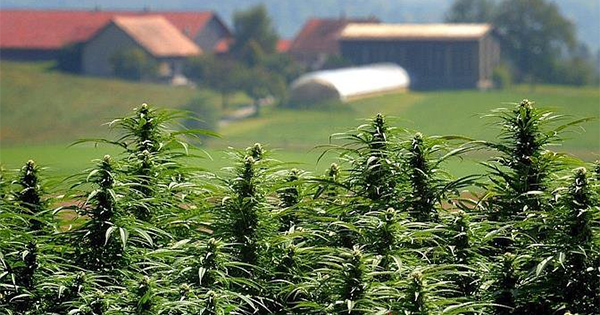
How will cannabis growers benefit? Who will grow it? What will the market look like in 5 years' time? These are difficult questions to answer right now. But some entrepreneurs are already in the starting-blocks, like Dany Lefèbvre, founder of Vert Médical, a hemp producer in Drummondville, and Paul Rosen, CEO and President of PharmaCan Capital, an investment company that works with medical cannabis producers.
What impact will this have on the black market? Will drug dealers disappear or just adapt? The findings of the American legalizations tend to suggest that the the black market never completely disappears, but is greatly reduced. Ultimately, it all depends on the price at which cannabis is sold. A price that's too high won't hurt the black market. This is also why Uruguay has set the price of cannabis at 1$ per gram.
Effects on public health and addiction
Patricia Conrod, professor of psychiatry at the Université de Montréal, is concerned that young people are being neglected in the debate surrounding the legalization of cannabis. There will nevertheless be a minimum age for access to dispensaries. But will young people still seek to obtain it in other ways? The law will have to adapt to dissuade them, and treat cannabis as a public health issue rather than a crime.
And although the cannabis is not highly addictive, However, certain health problems are linked to its use. Public health will also have to adapt to take these into account.







Medical Cannabis in Germany: THC Prices Vary by a Factor of 12

France already has 3,000 cannabis retail outlets. None of them are legal.

Morocco's exports of legal cannabis have expanded to 15 countries

Aurora Cannabis Doubles Its Production Capacity in Germany

Tilray is accelerating its operations in Europe thanks to a license in Portugal

Boston will host the 10th annual State of the Cannabis Industry Conference on October 26

A DEA report confirms that there are no fatal cannabis overdoses

A British patient is challenging the NHS's refusal to reimburse medical cannabis

October 2026 CBD Highlights: 10 Strains and Hash to Discover from 5 French Producers

CBD in France: Traceability, Retail Stores, THC and Driving… What the New Bill Proposes
-
 Business2 weeks ago
The legal cannabis market in New York exceeds 4 billion $ in revenue
-

 Cannabis in France3 weeks ago
Which countries legalized medical cannabis before France?
-
Business3 weeks ago
South Korea is preparing to begin local production of medical cannabis to meet rising demand
-
Cannabis in Thailand3 weeks ago
From the boom in dispensaries to a purely medical approach: Thailand is revising its cannabis policy
-
Cannabis and driving3 weeks ago
Medical Cannabis and Driving: New South Wales Ends Automatic Penalties for THC
-
Cannabis in Argentina4 weeks ago
Argentina Opens Its Market to Hemp Flowers Containing 1% of THC
-
Autism3 weeks ago
Autism and Cannabis: Results from the First Placebo-Controlled Trial of NTI164
-
Cannabis in France2 weeks ago
France’s Drug Policy Chief Defends Cannabis Prohibition... and Runs Into the Facts

















You must be logged in to post a comment Login