
Most US states to legalize psychedelics by 2037

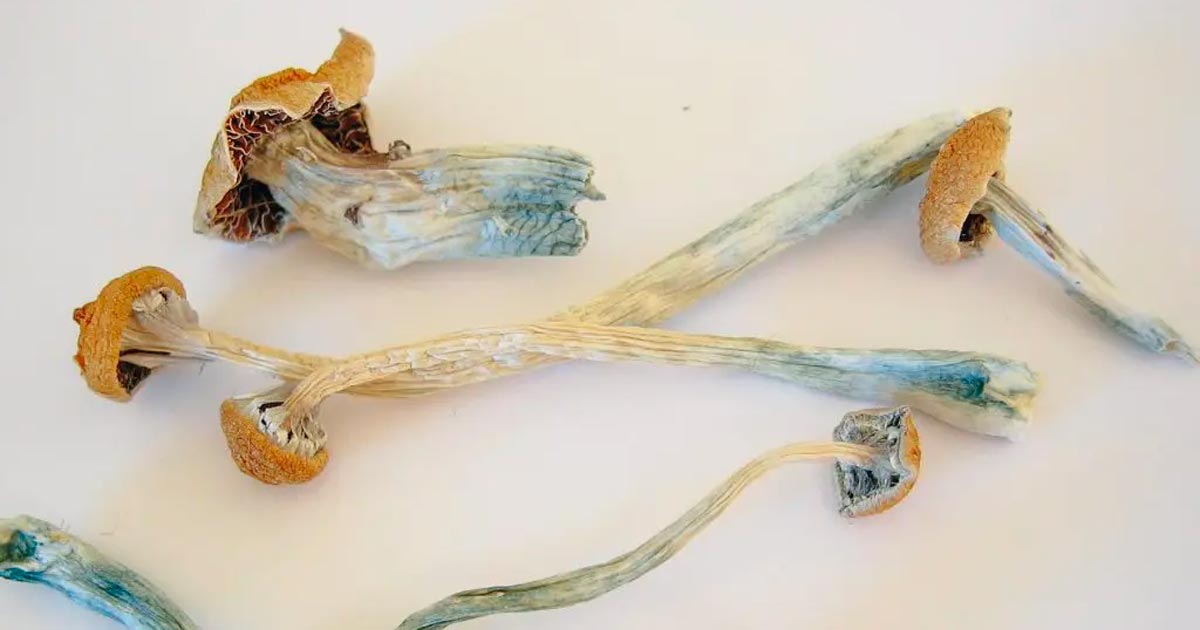
A majority of U.S. states will legalize psychedelics by 2037, according to a new analysis published in a journal of the’American Medical Association and based on a statistical model of the motion of legalization of cannabis in the United States.
Psychedelic drug reform has progressed «rapidly and unevenly» in the United States—and while the decriminalization movement began in the most liberal states, «psychedelic drug reform is becoming a bipartisan issue,» according to a study published Wednesday in the Journal of the American Medical Association (JAMA) Psychiatry.
Researchers at Washington University in St. Louis have compiled and analyzed data on psychedelic laws that have been introduced and enacted in cities and states across the United States, as well as voter initiatives on the issue from 2019 to 2022.
Starting with Denver’s historic decision to decriminalize psilocybin in May 2019, the psychedelic renaissance has exploded in recent years, taking the form of proposals to end criminalization, promote research, and legalize it for therapeutic uses, such as Oregon voters chose to do so in the 2020 election. The Colorado followed suit last month with a voter-approved initiative to legalize the possession of a wide range of psychedelics by adults while establishing «healing centers» for psilocybin.
Psychedelics are being decriminalized in the U.S. through state legislation at a dizzying and accelerating pace. See our analysis of the legislation published today in JAMA Psych: https://t.co/BQinEm3Hlw
ADVERTISING— Joshua Siegel (@realJoshSiegel) December 8, 2022
This movement «requires consensus on treatment models, education and training for healthcare professionals, and planning for implementation and regulation,» the study states.
Analysis shows that half of the U.S. states have considered a total of 74 bills related to psychedelics. Ten bills have already been enacted, and 32 remain active. The researchers also noted that the majority of reform measures «specifically mentioned psilocybin,» with MDMA being the second most frequently mentioned substance.
«While the first legislative efforts were made in liberal states, the gap between liberal and conservative states has narrowed over time (although the difference is not significant), suggesting that psychedelic drug reform is becoming a bipartisan issue,» the researchers said.
«An analytical model based on the legalization of cannabis predicts that a majority of states will legalize psychedelics by 2034 to 2037,» they said.
The study’s authors added that «the future of psychedelics» in this country will also be influenced by several key factors, such as the outcomes of «decisions by the Food and Drug Administration »(FDA) based on ongoing clinical trials," the possible actions of the Drug Enforcement Administration (DEA) on the classification of psychedelics as controlled substances and «legislative reform at the state level, which has been the main driver of cannabis legalization.».
«Cannabis has been legalized" thanks to legislative reform in most states, », despite the DEA's continued classification of the substance in Schedule I and the lack of FDA approval,« the study states. »Now, state legislative reforms are changing the landscape for psychedelic treatment and illicit drug enforcement."
Any future consideration of a policy change regarding psychedelics «should address key healthcare issues such as the establishment (1) of standards for medications obtained outside of a medical setting, (2) authorization criteria for prescribers and therapists, (3) clinical and billing infrastructure, (4) potential contraindications, and (5) use in special populations such as young people, older adults, and pregnant women. »
«The results of our study showed that, after decades of legal restrictions, U.S. states have rapidly moved toward greater access to psychedelics. Decriminalization is just one step in a complex process aimed at transforming these compounds into safe and effective therapies. This process will have significant implications for the medical and scientific communities. Integrating psychedelic treatment into clinical practice will require navigating numerous layers of legal restrictions and FDA approval, clarifying prescribing guidelines, and developing treatment models that work for drug manufacturers, physicians, and patients.»























The legal cannabis market in New York exceeds 4 billion $ in revenue

France’s Drug Policy Chief Defends Cannabis Prohibition... and Runs Into the Facts

Cannabis and the Adolescent Brain: French Scientists Make a Key Discovery

EFSA Gives Initial Approval for Synthetic CBD; Natural Extracts Still Pending

Federal Cannabis Reform Once Again on Hold in the United States

Contest: Win a trip to Quebec to experience the hemp harvest firsthand

Bedrocan on Hold Amid Uncertainty Over Medical Cannabis

Newsweed Launches Its Own AI
A new tax of 0.5% could disrupt the hemp industry in Canada

Medical Cannabis and Driving: New South Wales Ends Automatic Penalties for THC
-
 Cannabis and driving4 weeks ago
Cannabis and CBD: French Drivers Can Now Lose Their License Even Without a Positive Test Result
-

 Cannabis in France1 week ago
Which countries legalized medical cannabis before France?
-
Cannabis in France4 weeks ago
Cannabis Legalization: The LFI Bill Has a Major Problem—THC
-
Cannabis in the Netherlands3 weeks ago
One year after the launch of the Dutch cannabis experiment, the first trends are emerging
-
Business1 week ago
South Korea is preparing to begin local production of medical cannabis to meet rising demand
-
Cannabis in Thailand1 week ago
From the boom in dispensaries to a purely medical approach: Thailand is revising its cannabis policy
-
Cannabis in Argentina2 weeks ago
Argentina Opens Its Market to Hemp Flowers Containing 1% of THC
-
Cannabis in France3 weeks ago
French medical cannabis remains stalled at the Ministry of Health

















You must be logged in to post a comment Login