
Swiss entrepreneurs take on legal cannabis

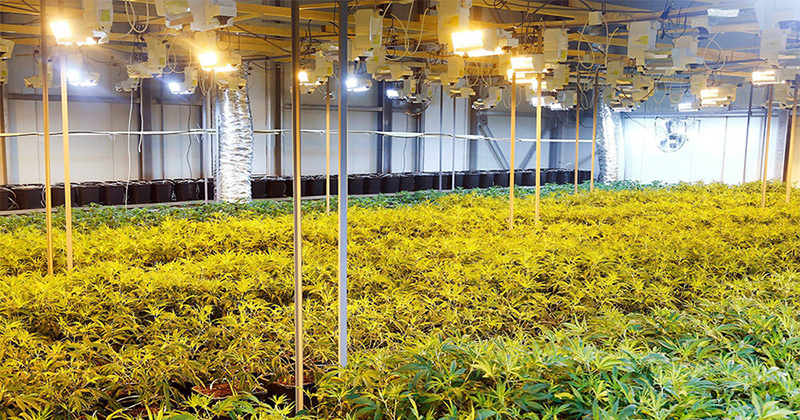
It's no secret that Switzerland is currently witnessing a rush for green gold. 6 years after the country legalized cannabis at less than 1% THC, the market is finally taking shape, and some major entrepreneurs are already taking shape, while experimentation with recreational cannabis are arriving soon. Among them, KannaSwiss.
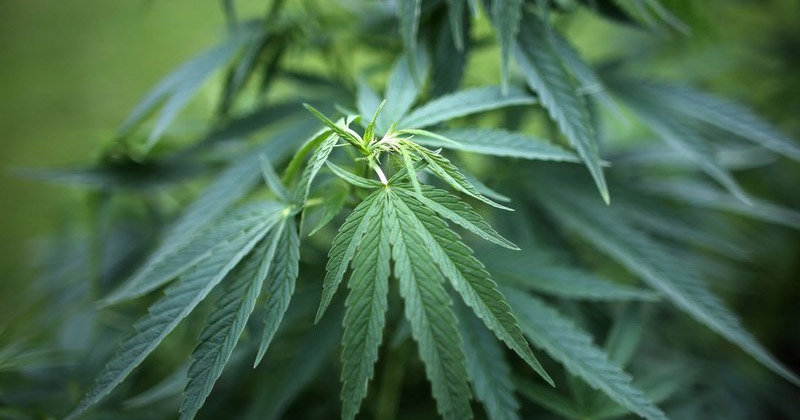
KannaSwiss grows 3,000 cannabis plants in a huge greenhouse that could well be the largest legal cannabis cultivation plant in Europe. KannaSwiss is taking advantage of Swiss law, which in 2011 authorized the cultivation of «light» cannabis with very low THC levels. The economic potential is no less, as a customs spokesman in Berne confides.
«Things started slowly last year, and accelerated in December 2016 and early 2017».
The number of retailers registered to sell CBD cannabis has risen to 140 in just one year. CBD cannabis is taxed at 25%, like Swiss tobacco, and revenues are estimated at €100 million for 2017.
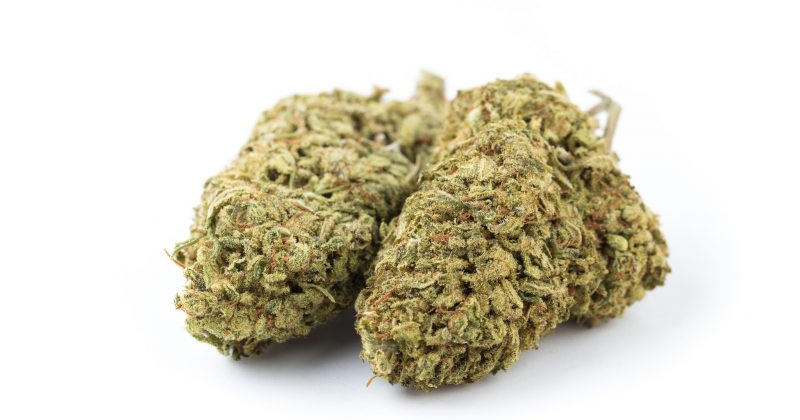
KannaSwiss quadrupled the number of employees last year, to 20. And is reportedly still struggling to meet all its customer demands. The company was founded by two descendants of aristocratic families: di Cassano and Boris Blatnik. They compare the sensation of smoking diet cannabis to that of drinking a few glasses of wine.
«You feel you should be def’, because you feel it in the body, but your mind is completely clear».
Paul Monot, founder of the Doctor Green store in Geneva, explains that his business grew rapidly after opening in December, with monthly revenues exceeding €100,000 per month on 8kg of cannabis sold. He plans to market his products in over 40 stores.
«Our customers really do come from all over. You don't necessarily have the stereotype of the unemployed, sneakers, cap» says Monot. «You've got everything from senior citizens to executives, bankers and lawyers.
The Swiss authorities continue to adjust their laws. In Zurich, police are still confiscating the cannabis they find in consumers« homes, claiming that it is impossible to tell the difference between diet and »normal" cannabis. The Geneva police, on the other hand, are looking to see if the source of supply is legal. In any case, analyses to test cannabis are expensive.
KannaSwiss is also calling for more rules to be put in place, notably on the quality of the grass consumers buy, and therefore on cultivation methods and the use of fertilizers and other pesticides. Even if, for the time being Swiss cannabis must be declared, and no mention of medical effects may be displayed, the consumer does not necessarily know what he is buying.
Since the beginning of March, KannaSwiss has also been selling clones of its plants. 100,000 CBD clones per month to be precise, of 7 different varieties. Although KannaSwiss claims that the clones are intended for the European market, French law is strict when it comes to hemp cultivation: plantations must be declared, only approved seeds may be used, and THC levels must not exceed 0.2% (5 times less than in Switzerland). France should therefore escape this green tide.







CBD is said to promote athletic recovery, without improving performance

294 cannabis clubs in Chile: a booming movement with uneven distribution

Chronic Sciatica: New York Approves First Clinical Trial of a THC-Based Medication

United States: The DEA is accelerating the integration of medical cannabis at the federal level

Florida is nearing one million patients using medical cannabis

Uruguay Revives Its Plan to Allow Tourists to Legally Access Cannabis

In Brazil, researchers are developing an innovative CBD eye drop

Autism: Medical Cannabis Is Linked to Reduced Anxiety

The $28 billion U.S. hemp market remains under threat

Jamaica Eases Small Farmers' Access to the Cannabis Market
-
 Business6 days ago
The legal cannabis market in New York exceeds 4 billion $ in revenue
-

 Cannabis in France2 weeks ago
Which countries legalized medical cannabis before France?
-
Business2 weeks ago
South Korea is preparing to begin local production of medical cannabis to meet rising demand
-
Cannabis in the Netherlands4 weeks ago
One year after the launch of the Dutch cannabis experiment, the first trends are emerging
-
Cannabis in Thailand2 weeks ago
From the boom in dispensaries to a purely medical approach: Thailand is revising its cannabis policy
-
Cannabis in France4 weeks ago
French medical cannabis remains stalled at the Ministry of Health
-
Cannabis in Argentina3 weeks ago
Argentina Opens Its Market to Hemp Flowers Containing 1% of THC
-
Cannabis and driving2 weeks ago
Medical Cannabis and Driving: New South Wales Ends Automatic Penalties for THC

















You must be logged in to post a comment Login