

Is New York selling out-of-state cannabis? Inversion in question

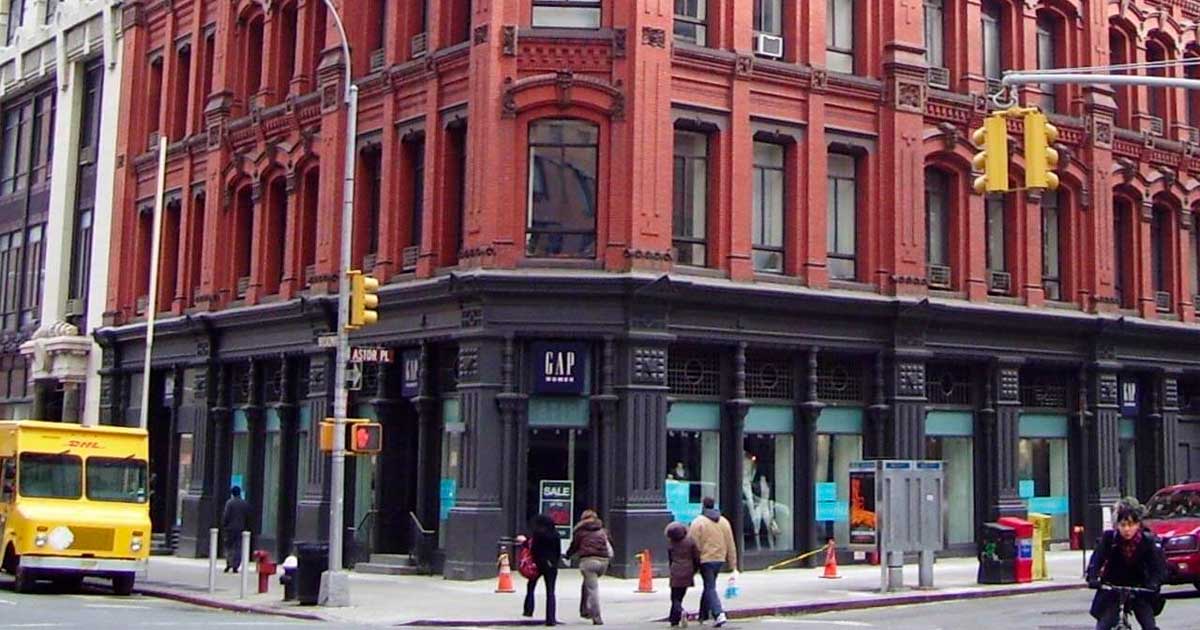
New York State’s legal cannabis market is under close scrutiny following reports that products from other states are finding their way into New York dispensaries.
This phenomenon, known in the industry as 'inversion,» threatens to undermine the state’s legal cannabis ecosystem, hinder local economic goals, and expose consumers to untraceable products.
Cannabis from outside the state is flooding New York dispensaries
Despite federal and state laws requiring that all cannabis sold in New York be grown and processed within its borders, recent investigations indicate that illegal supply chains have flourished.
Brands such as Stiiizy, Heady Tree, and Runtz have been under investigation for allegedly distributing products grown on the West Coast through processors based in New York, including Omnium Canna on Long Island.
According to an article in the New York Times, state inspectors launched surprise audits at Omnium Canna’s facilities in April, following complaints that unauthorized cannabis had been diverted to the legal market. Stiiizy and other companies have denied these allegations, while the’Office of Cannabis Management (OCM), the New York regulator, has neither confirmed nor denied the results of the compliance audits.
According to a report by the New York Medical Cannabis Industry Association (NYMCIA), «products smuggled in from the West Coast […] threaten the legal cannabis market and mislead unsuspecting consumers.».
Laboratory analyses have shown that certain products contained chemical signatures consistent with soil and pesticide profiles from the West Coast.
The missing link: the tracking and tracing system
At the height of the crisis, New York State did not implement any seed tracking system through to sale statewide, even though it selected BioTrack as its supplier in 2022. The software, which is supposed to monitor every stage of cannabis production and distribution, remains inactive more than two years later.
«There is no good explanation for why New York has not implemented a tracking and tracing system nearly two and a half years after sales to adults began,» said Hirsh Jain, founder of Ananda Strategies, in a statement sent to MJBizDaily.
According to him, the government’s lax approach stands in stark contrast to that of other countries, which, despite delays, have prioritized the integrity of the supply chain.
Licensed cannabis growers and processors in New York State say that the lack of oversight has left them unable to compete with illicit imports at a low price.
«The failure to implement an effective tracking and traceability system is a catastrophic betrayal of the state’s farmers,» said Joseph Calderone, president of the Cannabis Farmer Alliance, which is currently suing the OCM.
Equity goals compromised
The reversal not only affects businesses; it also undermines New York State’s social equity goals.
The government has given the priority for people involved in the justice system as retail licenses for adult use are being implemented, with the aim of redressing the harms caused by past cannabis prohibition. As more and more illicit cannabis enters licensed dispensaries, these operators are struggling to survive in a market where competition is unregulated.
«This situation undermines the integrity, health, and safety of the industry and, of course, New York’s goals of social and economic equity,» said Felicia Reid, interim executive director of the OCM, at a meeting in March.
Jennifer Gilbert Jenkins, a former member of the Cannabis Control Board, was even more blunt.
«The diversion rate in this market is the dirty secret everyone’s talking about,» she said. «The amount of product coming from outside the state that’s entering our licensed dispensaries is taking the place of New York-grown product.»
Although the problem is widely recognized, no one seems to know exactly how serious it is. Regulators and industry insiders estimate that a significant portion of the $1 billion in cannabis sales The adults who arrived last year may have come from outside the state, but the lack of transparent data makes it impossible to quantify this.
Growing pressure
In response to growing pressure, the OCM has established a trade practices office tasked with investigating supply chain violations and has promised «significant penalties» for those caught engaging in reverse trade. But in the absence of a monitoring system, enforcement remains limited.
Meanwhile, the brands involved in the scandal have denied any wrongdoing. Representatives from Stiiizy and other brands mentioned in the Times report claim that their products comply with state regulations and that audits of processors such as Omnium Canna have revealed no violations. The OCM has not yet publicly confirmed or denied these claims.
Until BioTrack is fully implemented, the New York cannabis market will remain vulnerable. The current situation not only encourages continued abuse by bad actors but also erodes public confidence in the legal cannabis system.
More importantly, it jeopardizes the very people—small-scale producers, formerly convicted individuals awaiting a license, and patients—whom legalization was supposed to benefit.






















The «cannabis» fine raised to 500 euros under the RIPOST Act

Sacha Baron Cohen Brings Ali G Back to Life During a Surprise Appearance at Wimbledon

Botswana Paves the Way for Commercial Hemp Cultivation

The First Authorized Medical Cannabis Cultivation in the Canary Islands

Germany Ends Public Health Insurance Coverage for Medical Cannabis Flowers

Cannabis Legalization in Pennsylvania Once Again on Hold

Democratic senators are reviving a bill to legalize cannabis at the federal level in the United States

A THC:CBD oil shows promising results in reducing agitation in people with dementia

San Francisco Allows «Cannabis Cafés»

Kenya Denies Rastafarians the Right to Use Cannabis
-

 Cannabis in Europe4 weeks ago
Bosnia and Herzegovina Continues to Roll Out Medical Cannabis Following Its Legalization
-
Cannabis in France4 weeks ago
France Submits the Long-Awaited Decree on the Reimbursement of Medical Cannabis to the Council of State
-
Cannabis in the U.S.4 weeks ago
The DEA Begins Hearings on the Federal Rescheduling of Cannabis
-
Business3 weeks ago
China Invests $10 Million in Medical Cannabis in Lebanon
-
Cannabis in Thailand4 weeks ago
Thailand Threatens Cannabis Shops with Severe Penalties
-
Cannabis in Australia3 weeks ago
South Australia is working to identify more water-efficient hemp varieties
-
Exchange4 weeks ago
Glass House will be the second U.S. cannabis company to list on the New York Stock Exchange
-
Cannabis in Africa2 weeks ago
Kenya Denies Rastafarians the Right to Use Cannabis















You must be logged in to post a comment Login