
Colorado reduces the number of plants authorized for self-growing

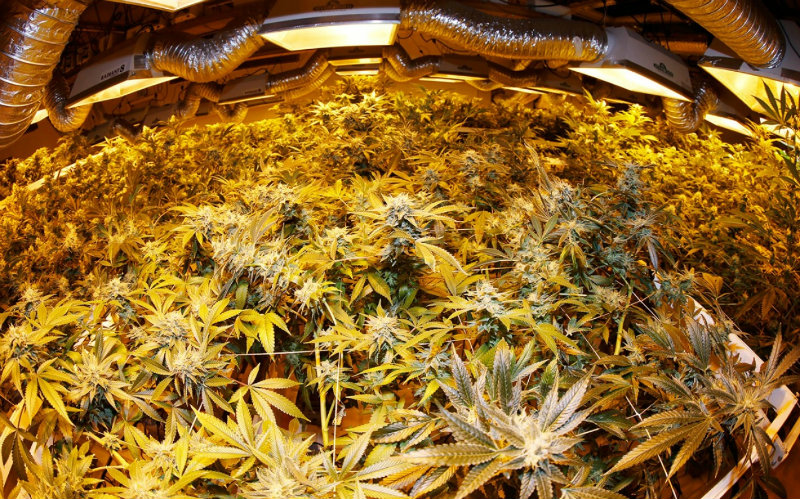
Faced with a thriving black market, plummeting cannabis prices and the proliferation of giant home plantations, Colorado is reacting by reducing the number of authorized plants per person.
The hunt for the trafficker
According to Le Républicain Cole Wist «Laws regarding home cultivation are too permissive in Colorado, representing a lucrative market for criminal operations.» With this measure, authorities are also targeting medical cannabis fraudsters.
In Colorado, a doctor can authorize a patient to grow up to 99 plants to produce their own cannabis oils. On the recreational cannabis side, residents can rent a warehouse with other individuals to maintain their 6 to 12 feet of cannabis, depending on municipal decrees. Recreational and medical growers can share the same production site. As a result, individual plantations can exceed 150 plants. The gardener/patient then becomes a veritable weed producer. This massive influx of cannabis into the home or warehouse can lead to the temptation of the black market, as these plants are neither monitored nor taxed by the state. There are currently 19,000 people in Colorado authorized to produce large-scale medical cannabis.
In this new decree, In Colorado, these collective plantations must not exceed 16 plants, whether the cannabis is recreational or medical. Colorado aligns itself with other states that have authorized therapeutic cultivation, where the maximum authorized is 16 plants.
Pro-weed activists are outraged: «It's re-criminalizing one of our rights here in Colorado,» says Ashley Weber of NORML Colorado.
Behind the scenes of this new regulation
There are several possible explanations behind this new regulation. Firstly, the price of cannabis. With abundant self-cultivation and a black market still very present in the state, the authorities are keen to boost the competitiveness of dispensaries. Indeed, the supply of legal weed outstrips demand, leading to a falling profitability for companies in the sector.
If stocks of home-grown weed dwindle, consumers will be forced to turn to legal dispensaries (or participate in the black market). By being stricter with growers, law enforcement agencies will be able to better differentiate between production for personal use and production for the black market. The authorities are expected to vote soon to increase the resources allocated to units specializing in the hunt for cannabis traffickers.
The second factor cited was delicious smells of ambient cannabis near private production sites. These are not subject to the same ventilation and odor absorption rules as commercial production sites. According to Fort Collins, The aim is not to «deprive people of their medication, but to reduce undesirable effects in the neighborhood.»
Also, Colorado politicians are trying to put on a brave face to avoid the wrath of Donald Trump or his Secretary of Justice Jeff Sessions. According to Mark Bolton, advisor to the governor on cannabis issues: «In the midst of uncertainty at the federal level we feel it is imperative that Colorado show that it regulates cannabis ».
Théo Caillart









CBD is said to promote athletic recovery, without improving performance

294 cannabis clubs in Chile: a booming movement with uneven distribution

Chronic Sciatica: New York Approves First Clinical Trial of a THC-Based Medication

United States: The DEA is accelerating the integration of medical cannabis at the federal level

Florida is nearing one million patients using medical cannabis

Uruguay Revives Its Plan to Allow Tourists to Legally Access Cannabis

In Brazil, researchers are developing an innovative CBD eye drop

Autism: Medical Cannabis Is Linked to Reduced Anxiety

The $28 billion U.S. hemp market remains under threat

Jamaica Eases Small Farmers' Access to the Cannabis Market
-
 Business5 days ago
The legal cannabis market in New York exceeds 4 billion $ in revenue
-

 Cannabis in France2 weeks ago
Which countries legalized medical cannabis before France?
-
Business2 weeks ago
South Korea is preparing to begin local production of medical cannabis to meet rising demand
-
Cannabis in the Netherlands4 weeks ago
One year after the launch of the Dutch cannabis experiment, the first trends are emerging
-
Cannabis in Thailand2 weeks ago
From the boom in dispensaries to a purely medical approach: Thailand is revising its cannabis policy
-
Cannabis in France4 weeks ago
French medical cannabis remains stalled at the Ministry of Health
-
Cannabis in Argentina3 weeks ago
Argentina Opens Its Market to Hemp Flowers Containing 1% of THC
-
Cannabis and driving2 weeks ago
Medical Cannabis and Driving: New South Wales Ends Automatic Penalties for THC
















You must be logged in to post a comment Login