
In Colorado, fraud is counted in kilos of weed

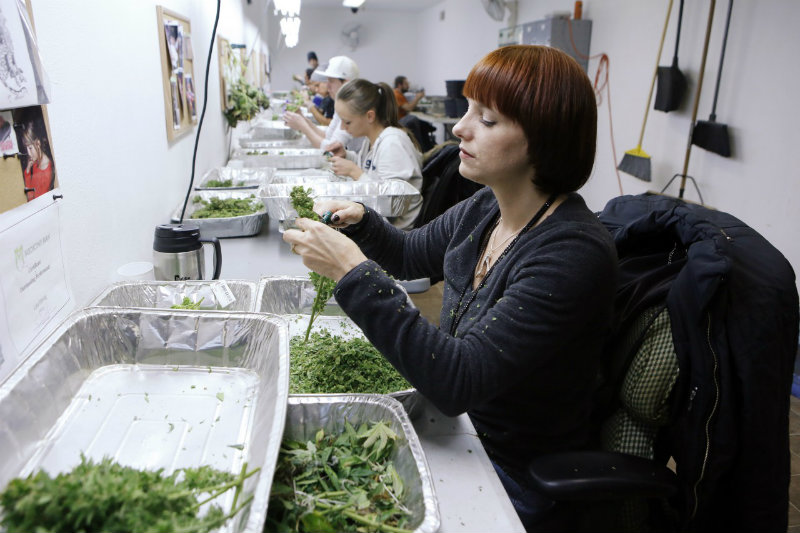
In Colorado, the authorities' latest battle against the cannabis lies in the fight against "missing weed" fraud. In 2016, the Colorado Department of Revenue, Marijuana Enforcement Division imposed a fine of $683,500 on the 47 clinics caught red-handed.
The Limitations of the Seed-to-Sale System
In 2016, 47 dispensaries were cited by Colorado’s cannabis tax collector. Employees and managers facing these charges must pay a fine and are generally suspended from all activities in the cannabis industry.
Fraudsters are exploiting weaknesses in the goods tracking system «Seed to Sale» by Metric. To make a long story short, each plant has an RFID chip that tracks its journey, from seed to packaging. However, some players in the legal market have figured out how to make weed disappear from official records.
Dispensaries must report all cannabis-related activities through the Metric system. This allows the authorities to get a comprehensive picture of what each dispensary produces and/or sells on the market. To commit fraud, employees and managers report that The weed is unfit for consumption, spoiled, or simply lost.
The authorities do, in fact, allow for an acceptable margin of error. If this margin is exceeded, inspectors come to conduct an audit to monitor the dispensary’s practices. Cannabis businesses that fail to comply with the specifications are subject to a fine of 75,000 $ and a 90-day suspension.
The Two Types of Fraud
Two types of fraud emerge when cannabis is declared unfit for consumption. Either the cannabis ends up on the shelves anyway and is therefore sold tax-free since, officially, that batch no longer exists. In the second case, employees declare the weed unfit for consumption or lost, while they line their pockets with Amnesia.
Fox News reported the comments of a former dispensary employee in Colorado who explains that these practices are commonplace. »There are plenty of ways to manipulate the numbers, and they’re hard to verify,» says Marcus. «A lot of employees are underpaid, so you take two or three grams a day. Either you keep it for yourself, or you use it to supplement your income. It’s understandable—you take three plants, and you’re set for the month. On paper, the idea of tracking is good. But when you’re on the inside, there are clearly exploitable loopholes.»
Dispensaries can also circumvent the «seed-to-sale» system by inflating the numbers at various stages of the cannabis supply chain. For example, the Verde dispensary reported sending 94.5 grams to a testing lab. Alarm bells went off when the lab reported receiving only 0.5 grams of the sample. The company was fined $40,000 for this violation, in addition to losing nearly a kilo of cannabis in 2016.
Théo Caillart










Contest: Win a trip to Quebec to experience the hemp harvest firsthand

Bedrocan on Hold Amid Uncertainty Over Medical Cannabis

Newsweed Launches Its Own AI
A new tax of 0.5% could disrupt the hemp industry in Canada

Medical Cannabis and Driving: New South Wales Ends Automatic Penalties for THC

China's Yongji Health Takes Control of Tasmanian Botanics

Autism and Cannabis: Results from the First Placebo-Controlled Trial of NTI164

Which countries legalized medical cannabis before France?

From the boom in dispensaries to a purely medical approach: Thailand is revising its cannabis policy

South Korea is preparing to begin local production of medical cannabis to meet rising demand
-
 Cannabis and driving3 weeks ago
Cannabis and CBD: French Drivers Can Now Lose Their License Even Without a Positive Test Result
-

 Cannabis in France6 days ago
Which countries legalized medical cannabis before France?
-
Cannabis in France3 weeks ago
Cannabis Legalization: The LFI Bill Has a Major Problem—THC
-
Cannabis in the Netherlands2 weeks ago
One year after the launch of the Dutch cannabis experiment, the first trends are emerging
-
Business6 days ago
South Korea is preparing to begin local production of medical cannabis to meet rising demand
-
Cannabis in Thailand6 days ago
From the boom in dispensaries to a purely medical approach: Thailand is revising its cannabis policy
-
Cannabis in Argentina2 weeks ago
Argentina Opens Its Market to Hemp Flowers Containing 1% of THC
-
Cannabis in France2 weeks ago
French medical cannabis remains stalled at the Ministry of Health













You must be logged in to post a comment Login