
Cannabis sales in Virginia could finally begin in July 2027


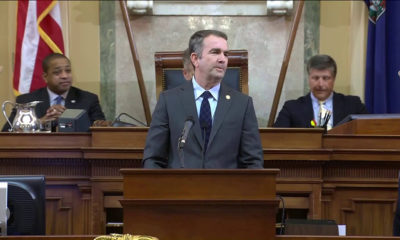
Just a few weeks ago, The future of cannabis in Virginia seemed to be at a standstill. In May 2026, Governor Abigail Spanberger vetoed two bills intended to launch recreational sales, once again postponing the reform to an uncertain future.
This decision prolonged a situation that had become unusual in the United States: a state where the Possession of cannabis has been legal since 2021, but where none regulated sales market does not yet exist.
At the time, the governor justified the veto on the grounds of regulatory prudence, arguing that the state needed more time to establish a framework capable of ensuring “compliance, testing, and inspections” and of mitigating the risks associated with the illicit market.
From Political Deadlock to a Budget Compromise
However, the situation changed in early June. After several weeks of negotiations, the governor and lawmakers reached a compromise by incorporating the cannabis issue directly into the state budget. Under the terms of the agreement, the first Cannabis Sales to Adults will begin on July 1, 2027, a date that aligns with the position advocated by the executive branch during the previous political standoff.
This shift is taking place against a backdrop of broader budgetary tensions. Cannabis has become one of the bargaining chips in a broader agreement aimed at breaking the deadlock in tax negotiations as the June 30 deadline approaches.
As one analyst quoted in local political discussions put it, this is now 'a way out of a deadlock,» in which cannabis reform is being used as leverage to stabilize the budget process.
A Regulated Market: 350 Licenses and a Progressive Tax System
The compromise establishes a clear framework for the opening of the future market. The government will authorize up to 350 cannabis retail locations nationwide, with the first license applications opening in February 2027.
From a tax perspective, the measure provides for a excise tax of 6%, which will automatically increase to 8% in 2029. Local governments will be able to add between 1 and 3.5% in additional taxes.
The bill also introduces restrictions on advertising, packaging, and certain food products, while closing a regulatory loophole related to hemp-derived products with high THC content, which will now be subject to the overall cannabis regulatory framework.
For the authorities, the goal is twofold: to reduce the influence of the illegal market and to establish a regulated market capable of meeting actual consumer demand.
Legalization that continues to be marked by political tensions
This compromise does not erase the disagreements that have marked the process since 2021. The initial reform had separated the legalization of possession from the creation of a commercial market, leaving it to successive governments to establish the framework for sales.
Since then, the positions of the executive and legislative branches have fluctuated between rapid liberalization and strict regulation, particularly regarding the number of licenses, taxation, and the role of existing operators. The The governor had initially proposed a more restrictive framework, with only 200 stores and a gradual rollout. Members of Parliament, for their part, had advocated for a broader and faster rollout.
Pending the launch of the adult-use market, legal cannabis sales remain limited to medical cannabis, which is estimated to generate approximately $75 million in sales during the first few months of 2026.
The sector is currently dominated by a small number of vertically integrated players, with a significant concentration of licenses among a few operators, including certain investment groups that are already active in several segments of the U.S. market.
This structure could have a significant impact on the transition to the adult market, particularly with regard to license conversion, competition, and access for new entrants.















CBD is said to promote athletic recovery, without improving performance

294 cannabis clubs in Chile: a booming movement with uneven distribution

Chronic Sciatica: New York Approves First Clinical Trial of a THC-Based Medication

United States: The DEA is accelerating the integration of medical cannabis at the federal level

Florida is nearing one million patients using medical cannabis

Uruguay Revives Its Plan to Allow Tourists to Legally Access Cannabis

In Brazil, researchers are developing an innovative CBD eye drop

Autism: Medical Cannabis Is Linked to Reduced Anxiety

The $28 billion U.S. hemp market remains under threat

Jamaica Eases Small Farmers' Access to the Cannabis Market
-
 Business5 days ago
The legal cannabis market in New York exceeds 4 billion $ in revenue
-
Cannabis and driving4 weeks ago
Cannabis and CBD: French Drivers Can Now Lose Their License Even Without a Positive Test Result
-

 Cannabis in France2 weeks ago
Which countries legalized medical cannabis before France?
-
Business2 weeks ago
South Korea is preparing to begin local production of medical cannabis to meet rising demand
-
Cannabis in the Netherlands4 weeks ago
One year after the launch of the Dutch cannabis experiment, the first trends are emerging
-
Cannabis in Thailand2 weeks ago
From the boom in dispensaries to a purely medical approach: Thailand is revising its cannabis policy
-
Cannabis in France4 weeks ago
French medical cannabis remains stalled at the Ministry of Health
-
Cannabis in Argentina3 weeks ago
Argentina Opens Its Market to Hemp Flowers Containing 1% of THC

















You must be logged in to post a comment Login