The different models of cannabis legalization

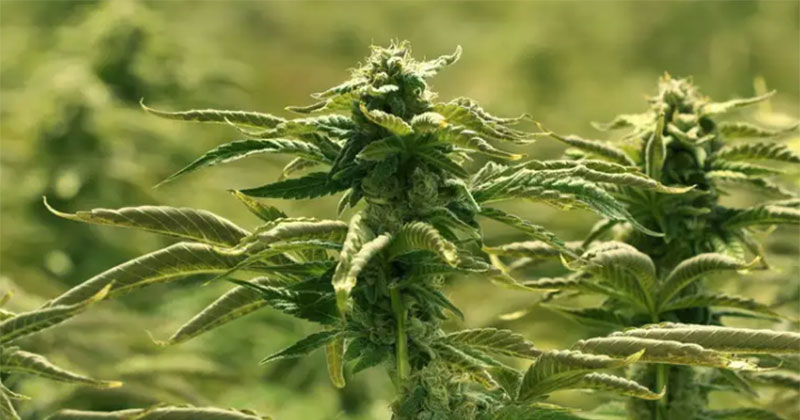
3 United Nations Conventions currently define the legal framework for drug control, and generally require countries to limit the supply and consumption of drugs for scientific or medical purposes.
However, the debate over the legalization of cannabis continues to grow, particularly for non-medical purposes. Some countries have therefore begun to legalize the recreational use of cannabis. Newsweed takes you on a global tour of the different legalization models.
Models for legalizing cannabis in the United States: production and sales
Colorado
Colorado allows people over 21 to grow 6 feet of cannabis at home, in a closed room. The grower may keep all of his or her harvest as long as it is for personal consumption. The law allows a consumer on the move to carry up to 28 grams of THC-containing products, including dried flowers, concentrates and space-food. Possession of between 28 and 56g is punishable by a fine of 100$, which increases with the quantity. The sale of cannabis without a license is also punishable by fines of between 500 and 750000$, depending on quantities. Taxes levied on sales are around 30%, and may vary from county to county depending on local taxes.
Colorado has just legalize cannabis consumption in public places like bars and restaurants.
Oregon
Oregon allows self-growers to have 4 feet at home. It differs from Colorado by allowing citizens to carry up to 56 grams on their person when away from home. At home, the cannabis consumer can store enough weed to get a regiment of hippies high: 225 grams of weed, 170 grams of space-food, 2.15 liters of cannabis-infused drinks and 28 grams of concentrates.
Alaska
Alaska decriminalized cannabis cultivation in 1975. Since 2014, it has been fully legalized. The small gardener can grow no more than 6 feet at home. Consumers can obtain their supply from dispensaries and, in a situation unique in the United States, can also consume it on the premises. The latter can carry up to 28 grams. Alaska has been slow to make the transition to legalization. The first dispensaries, cousins of the Dutch coffeeshops, have just opened their doors.
Washington
Washington State is the only state that does not allow cannabis cultivation. As a result, pot smokers have to buy from dispensaries. The (theoretical) absence of home-growing means that dispensaries have a monopoly on the demand for weed. It also means that there are no small dealers to resell their production. On the other hand, consumers can raid the store and overload themselves for a month: 28 grams of weed, 7 grams of concentrates, 450 grams of space-food and 2.15 liters of infused drink a day. The taxes levied by the state are indexed to the sales price. This tax system needs to be reviewed because cannabis supply on the rise and the price per gram continues to fall.
California
Visit California, Cannabis consumers can now possess 2g of recreational cannabis and 8g of concentrates. Californians can grow 6 feet freely, but the crop must not leave the home under any circumstances. Dispensaries will arrive in early 2018. Until then, California is preparing its transition to legalization. California will prohibit businesses from other states from setting up shop until 2023 to develop local commerce.
Maine
After multiple recounts, legalization has finally prevailed in Maine. Like Californians, Maine residents will be able to grow their own plants at home. However, the law states that the grower is entitled to six flowering plants and 12 growing plants. Consumers may carry up to 70 grams of cannabis in any form.
Massachusetts
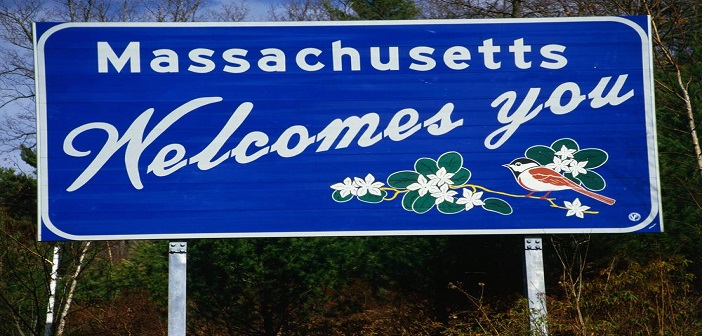
Celtics consumer-supporters will be able to carry 28 grams of cannabis and 5 grams of concentrates on their person from December 15, 2016. The state allows up to 6 feet per person, but differentiates itself from other models by including the word «household» in the law. A couple can therefore grow 12 plants at home. However, what's grown at home stays at home. Sales tax is set at 3.5%.
Nevada
Taking effect on January 1, 2017, the legalization law is certainly one of the most polished in America. Consumers who don't have a dispensary within 40 kilometers will be able to grow 12 plants. On the other hand, anyone with a local pot store will not be able to grow their own cannabis. Sales will be authorized from January 2018, and consumers will be able to have up to 28 grams of greens and 3.5 grams of concentrates.
Washington D.C.
The District of Columbia does not allow the sale of cannabis. However, pot cultivation and possession are authorized. Passers-by can walk down the street with 50 grams of their own weed, grown from 12 carefully tended plants at home.
Elsewhere in the world
Netherlands: sales without production
The Netherlands has set up a special system. Cannabis sales are reserved for coffeeshops, whose profits are taxed at 400 million euros a year. Yet cultivation and wholesale are still illegal, and dealers still profit from the trade. A gray market that could soon change. A bill to legalize the entire circuit is reportedly in the pipeline at the Dutch National Assembly.
Canada
Canada to fully legalize cannabis in Spring 2017. While legal multinationals already hold the bulk of production for medical use, start-ups and future dispensaries are springing up like mushrooms. A federal agency distributes licenses for the production, transport and sale of cannabis.
Some medical dispensary owners have decided to anticipate the arrival of legalization and are already offering cannabis to adults. Since this summer, local politicians have been protesting against the emergence of unauthorized dispensaries and attempting to close down those that circumvent regulation.
Uruguay
Uruguay has opted for state regulation of distribution. To this end, the country has set up a specialized agency to regulate pot. Production is entrusted to specialized laboratories, and distribution is through pharmacies. Cannabis Social Clubs are also authorized, as is self-cultivation.
After three years in the making, cannabis is finding it hard to get into pharmacies. Some professionals refuse to dispense it, and consumers are reluctant to register on a state list of smokers through their fingerprints. However, the State assures that cannabis will be available shortly (no date) at a price of €1 per gram.
Balance sheet
In the end, there is no single model for legalizing cannabis. Each country or state tries in its own way to regulate as best it can, even if it means legislating after the fact to deal with the consequences of legalization. If France were to look elsewhere, it could draw inspiration from the Uruguayan model, with local businesses given priority as in California, and cannabistros as in Alaska.
Théo Caillart









JIHE 2026: Japan’s Largest Trade Show Dedicated to Hemp and CBD Returns to Tokyo with More Than 100 Industry Players

New Caledonia: The Courts Clear the Way for the Return of CBD

The Brazilian medical cannabis market continues to grow

Morocco: Three Cannabis-Based Medications Approved for the Treatment of Epilepsy

Canopy Growth Receives New EU-GMP Certification to Strengthen Its Presence in Europe

Three years after legalizing medical cannabis, Albania continues to establish regulations for it

The first plant-based medical THC spray arrives in the United Kingdom

Medical Cannabis in Germany: THC Prices Vary by a Factor of 12

France already has 3,000 cannabis retail outlets. None of them are legal.

Morocco's exports of legal cannabis have expanded to 15 countries
-
 Business2 weeks ago
The legal cannabis market in New York exceeds 4 billion $ in revenue
-

 Cannabis in France4 weeks ago
Which countries legalized medical cannabis before France?
-
Business4 weeks ago
South Korea is preparing to begin local production of medical cannabis to meet rising demand
-
Cannabis in France4 days ago
France already has 3,000 cannabis retail outlets. None of them are legal.
-
Cannabis in Thailand4 weeks ago
From the boom in dispensaries to a purely medical approach: Thailand is revising its cannabis policy
-
Cannabis in the U.S.5 days ago
A DEA report confirms that there are no fatal cannabis overdoses
-
Cannabis and driving3 weeks ago
Medical Cannabis and Driving: New South Wales Ends Automatic Penalties for THC
-
Cannabis in France3 weeks ago
France’s Drug Policy Chief Defends Cannabis Prohibition... and Runs Into the Facts















You must be logged in to post a comment Login