Is cannabidiol (CBD) safe and effective for pregnant women?

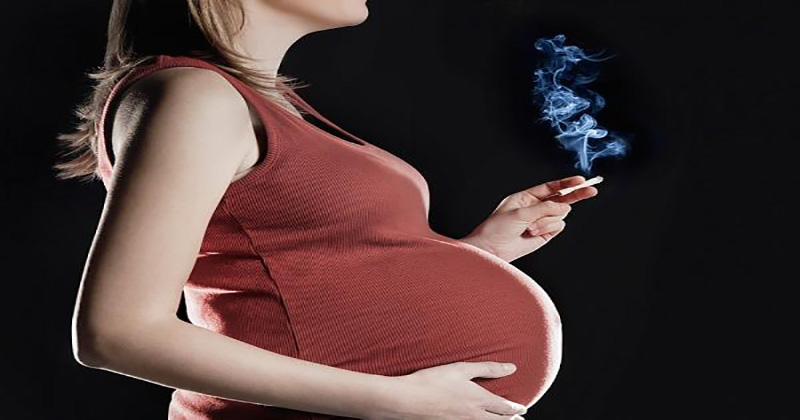
CBD, or cannabidiol, has become one of the most talked-about supplements in Europe in just a few years.
Oils, capsules, creams, herbal teas, The number of products is growing in specialty stores and even at pharmacies. In this context, a question frequently comes up among pregnant or breastfeeding women: Can CBD help manage pregnancy-related nausea, pain, and anxiety without posing a risk to the baby? The scientific answer, as of 2026, is more nuanced and cautious than one might think.
What is CBD, and why are pregnant women interested in it?
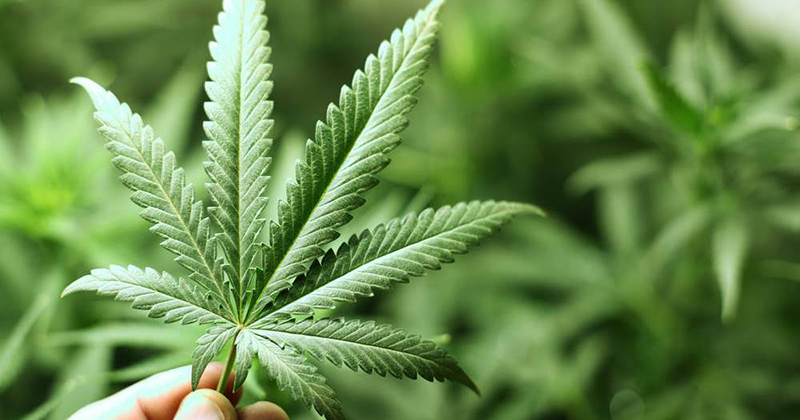
Cannabidiol is one of the main cannabinoids found in the Cannabis sativa plant. Unlike the THC (tetrahydrocannabinol), it has no psychoactive effects: it does not induce a state of intoxication or euphoria. It is this characteristic that has largely contributed to its commercial success and its reputation as a «safe cannabinoid.».
During pregnancy, many women experience symptoms that are difficult to manage: morning sickness (which sometimes lasts well beyond the first trimester), vomiting, lower back pain, insomnia, anxiety, and even prenatal depression. Since conventional treatments are often contraindicated or poorly tolerated, some women turn to natural alternatives, and CBD is among the options they consider.
In the United States, surveys have shown that between 2 and 5% of women report having used cannabis during their pregnancy. In France, data is scarcer, but the rise in CBD sales since 2021 suggests that this issue is becoming increasingly relevant.
What Science Says About CBD During Pregnancy
This is where caution is called for. Research specifically on CBD during pregnancy remains very limited to date. The vast majority of available studies focus on cannabis in general—that is, including THC—or have been conducted on animal models.
Studies on rodents exposed to cannabinoids in utero (here, for example) have highlighted potential disruptions to neurological development: hyperactivity, memory impairments, and increased sensitivity to reward mechanisms. However, these findings cannot be directly applied to humans, and CBD was not always isolated from other cannabinoids in these studies.
What is documented with greater certainty concerns THC: it crosses the placental barrier and can affect the development of the endocannabinoid system of the fetus, which plays a key role in brain development. However, CBD also interacts with the endocannabinoid system—differently from THC, but in a way that cannot be ignored. This is precisely why health authorities recommend caution, even when it comes to CBD alone.
The Position of Health Authorities
Public health agencies on both sides of the Atlantic are in agreement on the same recommendation: avoid all cannabis-based products, including CBD, during pregnancy and while breastfeeding.
In the United States, the FDA (Food and Drug Administration) issued an explicit warning as early as 2019 advising against the use of CBD by pregnant and breastfeeding women, due to insufficient data and potential risks to fetal development.
In France, the ANSM (National Agency for Medicines and Health Products Safety) and the High Council for Public Health remind the public that any active substance absorbed by the mother can reach the fetus through the placenta or the infant through breast milk. In the absence of robust clinical studies on CBD alone in pregnant women, the precautionary principle applies.
In its 2019 report on cannabidiol, the WHO acknowledges the generally favorable safety profile of CBD in healthy adults but explicitly notes the lack of sufficient data for vulnerable populations, including pregnant women.
CBD and Breastfeeding: A Separate Issue
The issue of breastfeeding deserves to be addressed separately, as it is often confused with the issue of pregnancy. Many women consider using CBD after giving birth to manage postpartum pain, anxiety, or sleep disturbances, while continuing to breastfeed.
However, Studies have shown that cannabinoids, including CBD, can be found in breast milk, which, on the other hand, contains endocannabinoids. A study published in 2018 in the journal Pediatrics analyzed milk samples from mothers who use cannabis and THC detected for up to six weeks after the last dose. Specific data on CBD in breast milk remain scarce, but caution is warranted here as well: an infant’s brain is still developing, and the endocannabinoid system plays an active role during this period.
The recommendation from pediatricians and midwives is clear: avoid CBD while breastfeeding, or stop breastfeeding if taking CBD is medically necessary following a doctor’s advice.
Why Is There Still a Lack of Data?
There is a structural reason for the scarcity of studies on this topic: pregnant women are systematically excluded from clinical trials for legitimate ethical reasons. It is impossible to intentionally expose a fetus to an experimental substance in order to measure its effects. Research therefore relies on retrospective observational studies, voluntary reports, or animal models—all of which have significant limitations.
This situation means that the absence of evidence of danger is not evidence of the absence of danger. This is precisely the reasoning behind the precautionary principle applied by health authorities.
What should you do if you're in pain during pregnancy?
If you are pregnant and are considering using CBD to manage symptoms (nausea, pain, anxiety, insomnia), the first step is to talk to your doctor or midwife. There are clinically validated alternatives for each of these symptoms that are safe for use during pregnancy.
For nausea: Ginger, whether as a tea or a dietary supplement, has a well-documented safety profile during early pregnancy. Certain antiemetics are also safe to use during pregnancy and may be prescribed.
For anxiety and sleep disorders: cognitive behavioral therapy (CBT), sophrology, mindfulness, and gentle physical activity (prenatal yoga, swimming) are safe approaches with proven effectiveness.
For lower back pain: prenatal physical therapy, osteopathy, and tailored postural exercises are recommended by many professionals.
Conclusion
CBD is not a dangerous substance in and of itself. For a healthy adult, its safety profile is generally recognized. However, pregnancy and breastfeeding are unique physiological conditions, and the precautionary principle applies until research provides more robust data.
In 2026, French, European, and U.S. health authorities agree on one point: there is not yet sufficient evidence to guarantee that CBD is safe for the fetus or infant.
Until further research is available, the recommendation remains to avoid CBD during pregnancy and while breastfeeding, and to discuss this with a healthcare professional.








Medical Cannabis in Germany: THC Prices Vary by a Factor of 12

France already has 3,000 cannabis retail outlets. None of them are legal.

Morocco's exports of legal cannabis have expanded to 15 countries

Aurora Cannabis Doubles Its Production Capacity in Germany

Tilray is accelerating its operations in Europe thanks to a license in Portugal

Boston will host the 10th annual State of the Cannabis Industry Conference on October 26

A DEA report confirms that there are no fatal cannabis overdoses

A British patient is challenging the NHS's refusal to reimburse medical cannabis

October 2026 CBD Highlights: 10 Strains and Hash to Discover from 5 French Producers

CBD in France: Traceability, Retail Stores, THC and Driving… What the New Bill Proposes
-
 Business2 weeks ago
The legal cannabis market in New York exceeds 4 billion $ in revenue
-

 Cannabis in France3 weeks ago
Which countries legalized medical cannabis before France?
-
Business3 weeks ago
South Korea is preparing to begin local production of medical cannabis to meet rising demand
-
Cannabis in Thailand3 weeks ago
From the boom in dispensaries to a purely medical approach: Thailand is revising its cannabis policy
-
Cannabis and driving3 weeks ago
Medical Cannabis and Driving: New South Wales Ends Automatic Penalties for THC
-
Cannabis in Argentina4 weeks ago
Argentina Opens Its Market to Hemp Flowers Containing 1% of THC
-
Autism3 weeks ago
Autism and Cannabis: Results from the First Placebo-Controlled Trial of NTI164
-
Cannabis in France2 weeks ago
France’s Drug Policy Chief Defends Cannabis Prohibition... and Runs Into the Facts

















You must be logged in to post a comment Login