Canada: When black-market cannabis players switch to the legal circuit

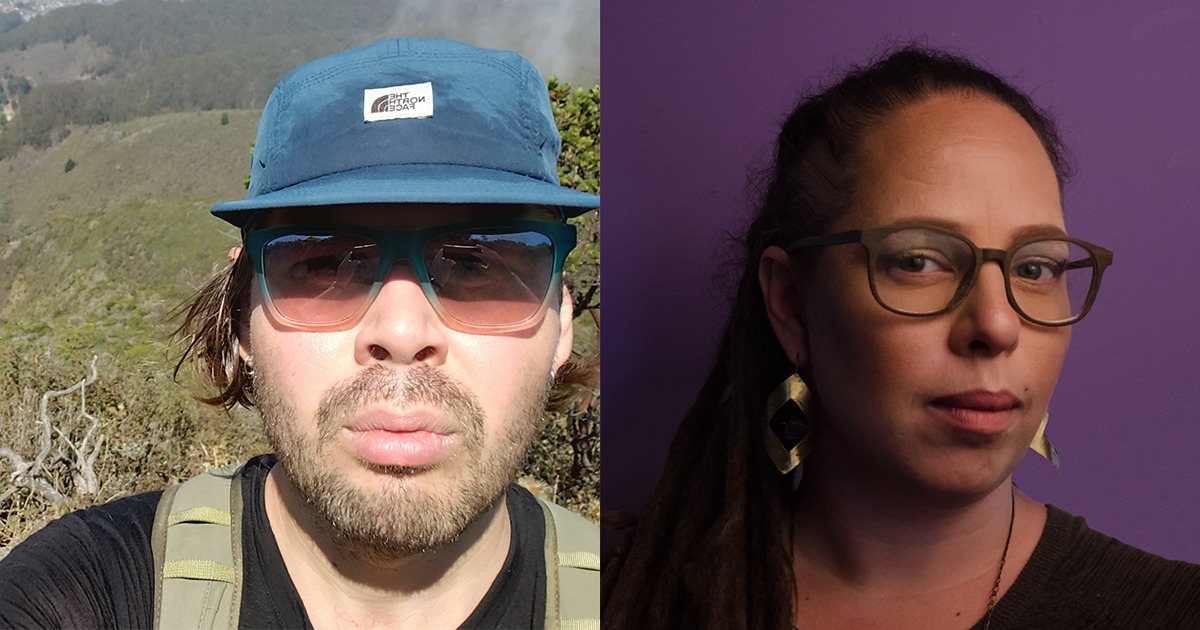
«Everything is different! Some things I was able to anticipate, others I wasn't», smiles Riley Starr. In just a few years, this Quebecker has gone from making underground from cannabis-infused chocolate for his friends... to flir, an industrial company that wants to sell its products across Canada.
Abi Roach has also gone over to the other side. This Toronto resident founded HotBoxCafé in the early 2000s. It's a «a place created to come and smoke cannabis that you bring with you« , a BYOB (Bring Your Own Bud) as the Americans say. Since then, she's moved on... to the Ontario government. This figurehead of Canadian cannabis now works for the Ontario Cannabis Store (OCS). This public body has a monopoly on the purchase of cannabis from producers, as well as on its sale. resale through specialist stores.
Riley and Abi both took the time to tell Newsweed from Montreal and Toronto, where they live respectively. Like them, many Canadian entrepreneurs are «coming out of the closet» by switching from the black market to legal sales, like Lot 420, licensed producer, or Hilary Black, founder of the British Columbia Compassion Club Society in 1997, one of British Columbia's leading Compassion Clubs providing cannabis to patients, and now Chief Advocacy Officer (Head of Advocacy) at Canopy Growth .
«First attempts in the kitchen»
In 2015, Riley Starr began «the first trials in the kitchen». At the time, cannabis remains illegal in Canada. But this Montrealer wants «product development» on the black market: chocolates, pastries, drinks and so on. Soon, he starts to get good. Very good.
«I used to sell to friends. They'd say, ‘I'll take twenty or thirty chocolate bars’. They liked cannabis, but not the way it was presented. The business took off extraordinarily quickly. I started selling the products in well-developed semi-clandestine markets in Toronto».», rewinds the budding chef.
In 2017, two years after launching his small business, the Montrealer is devoting 100 % of his time to it, even though his activity remains illegal. «There were some worrying moments, he confesses. For example, all interactions with the police. I was always thinking about my safety, the choices I was making.» Everything will change on October 17, 2018.
No more hiding
On that day, Canada officially legalizes cannabis, and authorized in-store sales. Riley Starr began to think about making his 100 % business legal. No longer having to hide, start your own business. A dream come true. «Oh yes!», confirms the Quebecer with a sincere laugh. But it's not an easy transition.
The first change that comes to mind? «Regulatory constraints», says the young entrepreneur. It's true that in the cannabis black market, there are few standards. And then there's, «there are the practical challenges of moving from artisanal to industrial production, such as finding suppliers.»
As a result, his company, flir, has yet to see the light of day. Even though it already has its own website, the aim is to launch it «at the end of the year or the beginning of next year». Despite these minor obstacles, Riley assures us: «I have no regrets at all. It's always interesting to try new things.»
«I did what I wanted to do».»
For Abi Roach, the transition was much easier. «I sold my HotBox café after twenty years, and did what I wanted to do: a big change.», appreciates the woman who is now Senior category manager for the Ontario Cannabis Store. «Today, I really enjoy my job. I'm learning a lot, especially about the cannabis supply chain.»
Another source of satisfaction: seeing colleagues following the same path as her. «You You wouldn't believe the number of times I've bumped into a producer or seller I knew from the days before legalization!, she smiles from her Toronto office. But there's more to this period than meets the eye. Proof that Canadians cherish her, they call her legacy market (literally, the inheritance market), not the black market.
Even if it's always appreciated, it's important to leave it behind. legacy market for Abi. «What France needs to bear in mind, if it ever legalizes cannabis, is that it's very important to bring black market players into the legal market. If we don't make this transition, then we lose consumer confidence. When a smoker sees his brand on a store display, he goes there too.» In conclusion, she says, «if we don't do this, cannabis legalization won't have achieved its goal.»
























Medical Cannabis in Germany: THC Prices Vary by a Factor of 12

France already has 3,000 cannabis retail outlets. None of them are legal.

Morocco's exports of legal cannabis have expanded to 15 countries

Aurora Cannabis Doubles Its Production Capacity in Germany

Tilray is accelerating its operations in Europe thanks to a license in Portugal

Boston will host the 10th annual State of the Cannabis Industry Conference on October 26

A DEA report confirms that there are no fatal cannabis overdoses

A British patient is challenging the NHS's refusal to reimburse medical cannabis

October 2026 CBD Highlights: 10 Strains and Hash to Discover from 5 French Producers

CBD in France: Traceability, Retail Stores, THC and Driving… What the New Bill Proposes
-
 Business2 weeks ago
The legal cannabis market in New York exceeds 4 billion $ in revenue
-

 Cannabis in France3 weeks ago
Which countries legalized medical cannabis before France?
-
Business3 weeks ago
South Korea is preparing to begin local production of medical cannabis to meet rising demand
-
Cannabis in Thailand3 weeks ago
From the boom in dispensaries to a purely medical approach: Thailand is revising its cannabis policy
-
Cannabis and driving3 weeks ago
Medical Cannabis and Driving: New South Wales Ends Automatic Penalties for THC
-
Cannabis in Argentina4 weeks ago
Argentina Opens Its Market to Hemp Flowers Containing 1% of THC
-
Autism3 weeks ago
Autism and Cannabis: Results from the First Placebo-Controlled Trial of NTI164
-
Cannabis in France2 weeks ago
France’s Drug Policy Chief Defends Cannabis Prohibition... and Runs Into the Facts

















You must be logged in to post a comment Login