Small cannabis producers push for excise tax reform in Canada

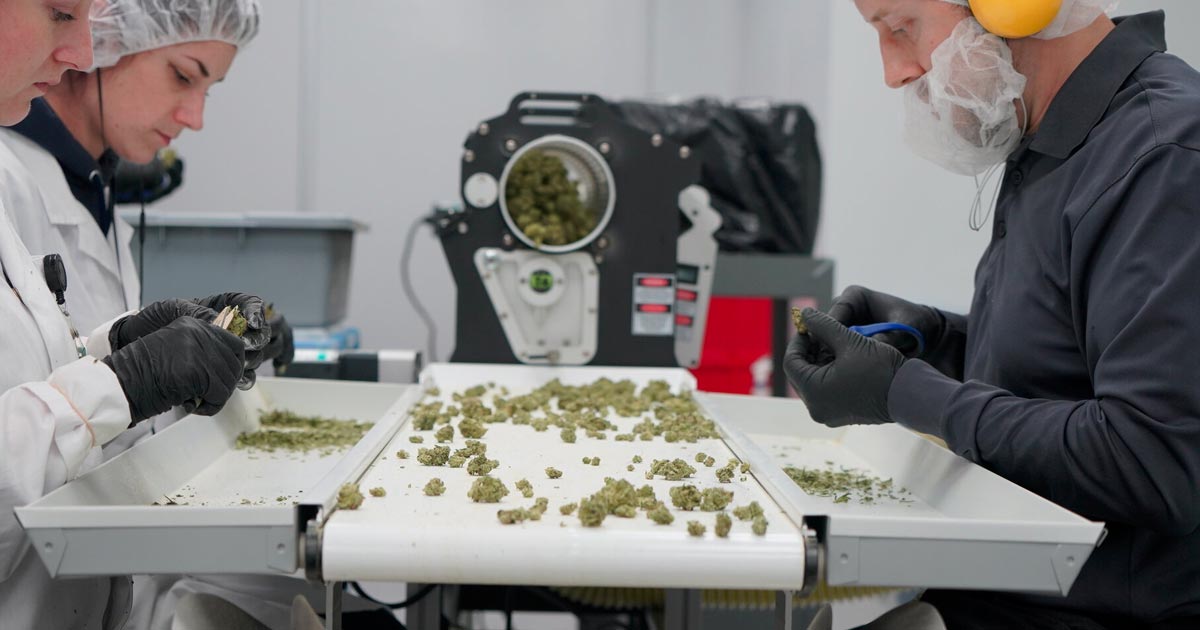
Dan Sutton, CEO of Tantalus Labs, a cannabis producer based in British Columbia, is trying to draw attention to a problem that, according to many industry players, threatens to drive small Canadian cannabis companies into bankruptcy.
The main problem? The excise tax levied on cannabis is set at a fixed rate of 1$CA per gram, rather than as a percentage of sales. According to Dan Sutton, the tax should instead be based on the volume produced or sold, as is the case in the beer industry.
Dan Sutton launched the campaign with the goal of changing the law Stand for Craft [Editor's note: «Support local artisans,» where Craft refers to a certain type of license granted by Health Canada] to put pressure on politicians.
If you believe that small businesses deserve a place in the future of the Canadian cannabis industry, we need to hear from you today.
https://t.co/qpmTgSJAth amplifies this message to more than 100 government stakeholders with the power to bring about change.Add your voice. Stand with us. Stand for Craft.
ADVERTISING— Dan Sutton (@DSutton1986) September 29, 2021
«The excise tax system as it stands today, since legalization began, eventually imposed a tax on micro-businesses, artisans, and small and medium-sized enterprises ranging from 20 to 30% of their maximum revenue.»
The problem with this, explains Dan Sutton, is that this fixed rate means paying about a quarter—or more—of a company’s revenue on its wholesale cannabis price. «For every dollar they earn, they have to pay thirty points on the flat fee before they receive even a penny.»
Rather than a fixed rate, Dan Sutton would prefer to switch to a percentage of sales.
«If we want an industry which includes small businesses, », «If we want an industry that includes companies not subsidized by millions in shareholder investments, then we need to revise this excise tax now,» Dan Sutton declares. "We need to link the tax to wholesale prices using a floating percentage.".
The Hope of the Movement Craft Booth would be to bring the issue to the forefront, particularly with the federal government, which will begin a mandatory three-year review of legalization in October in order to improve current regulations.
«It’s not that I don’t want to pay taxes,» Sutton said. «I want to pay the right amount of taxes—enough for my business to survive, and enough for us to continue making a significant contribution to the Canadian economy, while still being able to operate like any other business.»
























Medical Cannabis in Germany: THC Prices Vary by a Factor of 12

France already has 3,000 cannabis retail outlets. None of them are legal.

Morocco's exports of legal cannabis have expanded to 15 countries

Aurora Cannabis Doubles Its Production Capacity in Germany

Tilray is accelerating its operations in Europe thanks to a license in Portugal

Boston will host the 10th annual State of the Cannabis Industry Conference on October 26

A DEA report confirms that there are no fatal cannabis overdoses

A British patient is challenging the NHS's refusal to reimburse medical cannabis

October 2026 CBD Highlights: 10 Strains and Hash to Discover from 5 French Producers

CBD in France: Traceability, Retail Stores, THC and Driving… What the New Bill Proposes
-
 Business2 weeks ago
The legal cannabis market in New York exceeds 4 billion $ in revenue
-

 Cannabis in France3 weeks ago
Which countries legalized medical cannabis before France?
-
Business3 weeks ago
South Korea is preparing to begin local production of medical cannabis to meet rising demand
-
Cannabis in Thailand3 weeks ago
From the boom in dispensaries to a purely medical approach: Thailand is revising its cannabis policy
-
Cannabis and driving3 weeks ago
Medical Cannabis and Driving: New South Wales Ends Automatic Penalties for THC
-
Cannabis in Argentina4 weeks ago
Argentina Opens Its Market to Hemp Flowers Containing 1% of THC
-
Autism3 weeks ago
Autism and Cannabis: Results from the First Placebo-Controlled Trial of NTI164
-
Cannabis in France2 weeks ago
France’s Drug Policy Chief Defends Cannabis Prohibition... and Runs Into the Facts

















You must be logged in to post a comment Login