

Canada proposes changes to cannabis laws to ease burden on industry

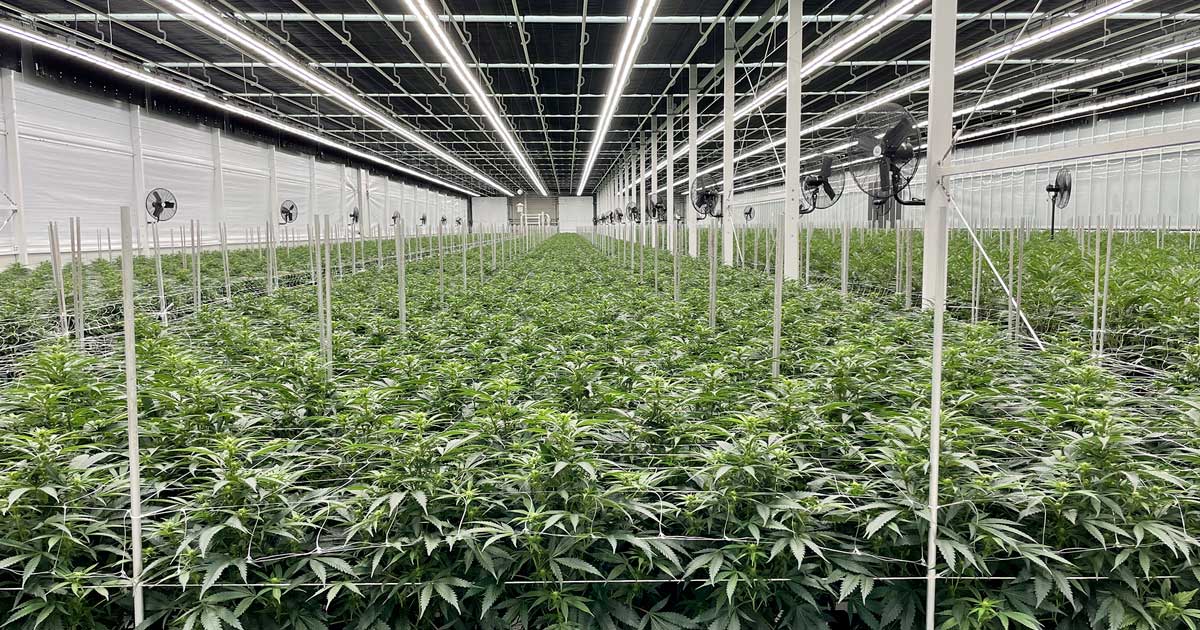
The Canadian government has proposed a series of amendments to federal cannabis regulations in order to address some of the challenges faced by producers and distribution companies. These amendments, proposed by Health Canada, are intended to streamline processes, reduce administrative burdens, and foster a more efficient regulatory environment.
Key Changes to the Cannabis Regulations
In the latest issue of the Canada Gazette last Friday, Health Canada states that the changes will result in annualized net benefits of approximately $41 million in administrative and compliance cost savings.
«Health Canada recognizes that certain regulatory measures could be made more effective and streamlined without compromising public health and safety objectives.»
Packaging and labeling requirements
One of the main changes concerns regulations regarding the packaging of cannabis products. Under the proposed amendments, producers will be allowed to use bulk outer packaging to contain individual packages. This change is expected to simplify packaging and distribution logistics, which will allow producers to save money.
In addition, the changes will allow for greater flexibility in packaging design. This includes permitting different colors for lids and containers, cut-out windows or transparent packaging, as well as the use of QR codes on packaging. These adjustments are intended to improve consumers’ access to information while maintaining compliance with regulatory standards.
Reduction in administrative and compliance costs
By eliminating some of the most burdensome regulations—such as the requirement to obtain paper copies of product information sheets and the obligation to submit notifications for each new fresh or dried cannabis product—the government hopes to streamline operations for businesses in the cannabis sector.
In addition, the sale and distribution of cannabis pollen will be permitted, and producers will no longer be required to submit an annual report on promotional efforts or crop waste. These changes are intended to reduce the operational burden on producers, allowing them to focus more on innovation and market growth.
Market Consolidation and Challenges
The proposed changes come at a A critical moment for the Canadian cannabis industry, which has faced significant challenges since legalization in 2018. Issues such as bankruptcies and market consolidation have plagued the industry, driven by an oversupply of cannabis and the resulting financial pressures. In December, the oversupply led to $53.7 million worth of unsold cannabis products.
Earlier this year, a group organized by the federal government issued 54 recommendations to address these challenges. The proposed changes are part of a broader effort to implement these recommendations and create a regulatory environment that is more conducive to the cannabis industry.






















The «cannabis» fine raised to 500 euros under the RIPOST Act

Sacha Baron Cohen Brings Ali G Back to Life During a Surprise Appearance at Wimbledon

Botswana Paves the Way for Commercial Hemp Cultivation

The First Authorized Medical Cannabis Cultivation in the Canary Islands

Germany Ends Public Health Insurance Coverage for Medical Cannabis Flowers

Cannabis Legalization in Pennsylvania Once Again on Hold

Democratic senators are reviving a bill to legalize cannabis at the federal level in the United States

A THC:CBD oil shows promising results in reducing agitation in people with dementia

San Francisco Allows «Cannabis Cafés»

Kenya Denies Rastafarians the Right to Use Cannabis
-

 Cannabis in Europe4 weeks ago
Bosnia and Herzegovina Continues to Roll Out Medical Cannabis Following Its Legalization
-
Cannabis in France4 weeks ago
France Submits the Long-Awaited Decree on the Reimbursement of Medical Cannabis to the Council of State
-
Cannabis in the U.S.4 weeks ago
The DEA Begins Hearings on the Federal Rescheduling of Cannabis
-
Business3 weeks ago
China Invests $10 Million in Medical Cannabis in Lebanon
-
Cannabis in Thailand4 weeks ago
Thailand Threatens Cannabis Shops with Severe Penalties
-
Cannabis in Australia2 weeks ago
South Australia is working to identify more water-efficient hemp varieties
-
Exchange4 weeks ago
Glass House will be the second U.S. cannabis company to list on the New York Stock Exchange
-
Cannabis in Africa2 weeks ago
Kenya Denies Rastafarians the Right to Use Cannabis















You must be logged in to post a comment Login