
United States: Senate Majority Leader outlines plan for federal cannabis legalization

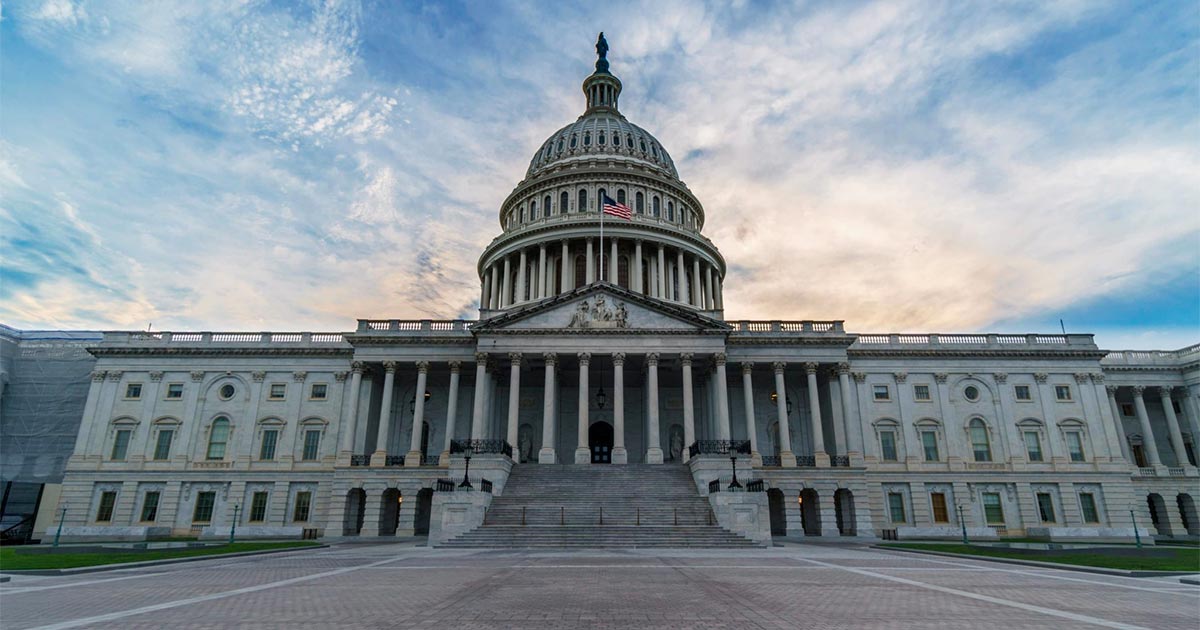
Senate Majority Leader Chuck Schumer unveiled details on Wednesday, July 14, of the proposed federal cannabis reform bill, titled « »Cannabis Administration and Opportunity Act" (CAOA).
«Cannabis prohibition, a cornerstone of the failed war on drugs, has caused considerable harm to our communities and small businesses—and especially to communities of color,» said Ron Wyden, a co-sponsor of the bill. «It’s as simple as this: Senators Booker, Schumer, and I want to bring common sense to the federal government, end prohibition, and restore the lives of those who have been hurt the most and set them on a path to opportunity.»
The three co-sponsors of the bill—Chuck Schumer, Ron Wyden, and Cory Booker—have opened a public comment period to solicit feedback on the draft. U.S. citizens have until September 1 to submit proposals that will be used to shape the final version of the bill.
An Overview of the Proposed Federal Legalization of Cannabis in the United States
The bill outlines a comprehensive, multi-tiered plan for cannabis regulation. If passed, the bill would decriminalize cannabis, implement widespread conviction expungement programs, and allow states to continue managing their own cannabis policies. It would establish a federal tax, the proceeds of which would be directed toward those most affected by the war on drugs, particularly those who wish to enter the industry in one way or another.
Another significant change would be to strip the Drug Enforcement Administration and to entrust it to three different government organizations, primarily the Food and Drug Administration (FDA). The FDA would be «recognized as the primary federal regulatory authority with respect to the manufacture and marketing of cannabis products, including requirements related to minimum national good manufacturing practices, product standards, registration and licensing, as well as labeling information regarding ingredients and directions for use.» The Bureau of Alcohol, Tobacco, Firearms, and Explosives and the Bureau of Alcohol, Tobacco, and Firearms would also be granted greater authority over taxation and product tracking.
Social equity receives strong support in the Senate bill, which seeks to expunge all cannabis-related arrests and convictions within one year if the bill is passed. «The communities that have suffered the most from cannabis prohibition are the ones that benefit the least from the legal marijuana market. »The legacy of racial and ethnic injustices, exacerbated by the disproportionate collateral consequences of 80 years of cannabis prohibition, now limits participation in the industry,” the bill states.
In addition, the bill establishes three grant programs that 1) provide funding for programs that assist those who have been negatively affected by the war on drugs, 2) provide small business loans to «socially and economically disadvantaged individuals ,» and 3) establish the «Fair Licensing Grant Program,» which would reduce certain requirements for those affected by the war on drugs who wish to enter the industry.
A large part of the bill is devoted to tax rates, proposing a tax of 10 % in the first year if the bill becomes law. The tax would increase annually to 15 %, then to 20 %, and finally to 25 %. Small cannabis businesses would receive support and benefit from a reduced tax rate if they generate less than 20 million $ in revenue in a single year. The bill also details the approval process for cannabis businesses.
The Cannabis Regulation and Opportunities Act also includes a variety of other provisions, such as identifying the government agencies that will oversee different parts of the industry, the implementation of federal studies to determine whether changes are needed, a nationwide age limit for cannabis use, and a new definition of cannabis.
A bill to legalize [...], which has been in the works for months
It took several months to draft this bill. After the original press release Following the Senate’s announcement of its intention to introduce a federal cannabis bill on February 1, Schumer, Wyden, and Booker met virtually on February 5 with representatives from organizations such as NORML, Drug Policy Alliance and Students for Sensible Drug Policy, National Cannabis Industry Association and the Minority Cannabis Business Association.
I had a great meeting yesterday with @SenBooker, @RonWyden, and leading marijuana justice groups from across the country to develop strategies for working together to end the federal ban on marijuana and repair the damage done to communities by the War on Drugs.
- Chuck Schumer (@SenSchumer) February 6, 2021
In March, Schumer, Wyden, and Booker stated that they wanted to support small businesses in the cannabis industry through their bill, while curbing the influence of large alcohol and tobacco companies vying for a share of the cannabis market.
«We don't want big tobacco or alcohol companies to infiltrate and take control,», Schumer said. «The legislation we have in place will ensure that small businesses—especially those owned by people of color—have an advantage, because people of color have paid the price for decades. They should at least get something in return.»
Throughout the year, Schumer has spoken out about the need for cannabis reform, stating that he wants to move forward with federal legalization with or without President Joe Biden’s support. «We will move forward,» Schumer said in an interview with Politico. «[President Biden] has said he’s looking into the issue, so [I] obviously want to give him some time to consider it. I want to present my case to him, as many other advocates will do. But at some point, we’re going to move forward—period.».
A few minutes after Senate Majority Leader Chuck Schumer and his colleagues unveiled the bill, the White House press secretary reiterated that President Joe Biden remained opposed to this reform. However, she noted in particular that the president would be «encouraged» by efforts to advance more incremental reform, such as the decriminalization of possession, as he had pledged to do during the campaign.
«Nothing has changed, and there is no new support for the legislation to report today,» said Press Secretary Jen Psaki during a press briefing after being asked about the new legalization bill.























Cannabis Oil and Endometriosis: A Promising Study for Pain Relief

CBD is said to promote athletic recovery, without improving performance

294 cannabis clubs in Chile: a booming movement with uneven distribution

Chronic Sciatica: New York Approves First Clinical Trial of a THC-Based Medication

United States: The DEA is accelerating the integration of medical cannabis at the federal level

Florida is nearing one million patients using medical cannabis

Uruguay Revives Its Plan to Allow Tourists to Legally Access Cannabis

In Brazil, researchers are developing an innovative CBD eye drop

Autism: Medical Cannabis Is Linked to Reduced Anxiety

The $28 billion U.S. hemp market remains under threat
-
 Business6 days ago
The legal cannabis market in New York exceeds 4 billion $ in revenue
-

 Cannabis in France2 weeks ago
Which countries legalized medical cannabis before France?
-
Business2 weeks ago
South Korea is preparing to begin local production of medical cannabis to meet rising demand
-
Cannabis in the Netherlands4 weeks ago
One year after the launch of the Dutch cannabis experiment, the first trends are emerging
-
Cannabis in Thailand2 weeks ago
From the boom in dispensaries to a purely medical approach: Thailand is revising its cannabis policy
-
Cannabis in France4 weeks ago
French medical cannabis remains stalled at the Ministry of Health
-
Cannabis in Argentina3 weeks ago
Argentina Opens Its Market to Hemp Flowers Containing 1% of THC
-
Cannabis and driving2 weeks ago
Medical Cannabis and Driving: New South Wales Ends Automatic Penalties for THC

















You must be logged in to post a comment Login