
German cannabis company in talks with Taliban

A Little Investigation by Newsweed was right. Cpharm, the German version, is indeed the company in talks with the Taliban government in Afghanistan, as we announced in November. The Bonn-based company has confirmed with Cannabis Now.
« We began discussions with Afghanistan in 2017, when their Parliament legalized medical cannabis. »In November 2020, we set up a site in the north of the country, with experts, to establish a laboratory. But the former government, put in place by the Americans, was very corrupt.”, says Cpharm CEO Werner Zimmermann.
The entrepreneur isn't very tough toward the new Taliban government, having overthrown former President Ashraf Ghani by force in August. Their regime has not yet been recognized by any other country, including Germany. The Islamist fundamentalists are also accused by numerous NGOs of persecuting and killing their opponents, and for having plunged their country into famine.
According to Cannabis Now, Zimmermann hopes enter into an agreement with that regime. He even goes a step further with his compliments: «The new government really likes us because we are its voice in showing the world just how corrupt the old government was.»
Exceptional cannabis, but a brutal dictatorship
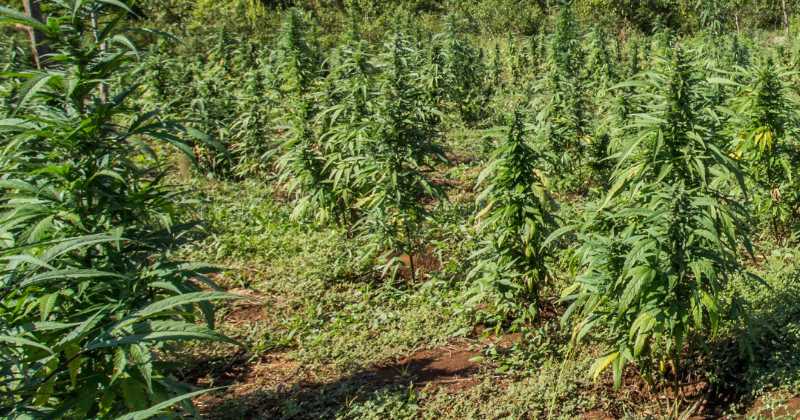
Cpharm’s project aims to establish a cannabis production facility in Balkh Province, near Mazar-i-Sharif in the north of the country, a historic center of cannabis production. 100% of the Afghan crop will be processed into medicines and creams and then exported to Germany. According to the company, it has received approval for this from the Federal Institute for Drugs and Medical Devices, the German regulatory agency.
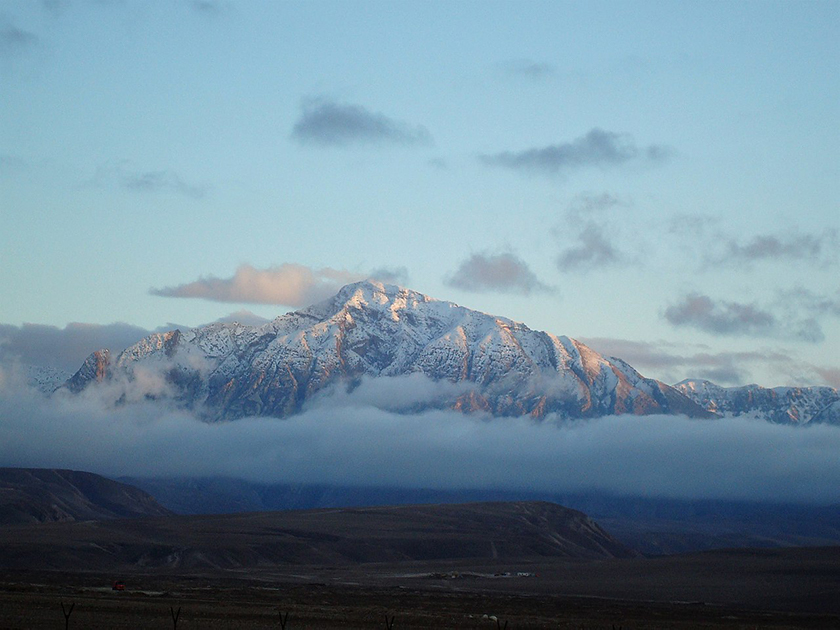
The dilemma is a major one for the cannabis companies : Should they trade with Afghanistan? That country is literally the birthplace of cannabis. The earliest varieties of the plant are born in the Hindu Kush, a mountainous region that today straddles the border between Afghanistan and Pakistan. The cannabis produced there, —including the hash—is among the best in the world.
Yet it is hard to forget the dictatorship that has taken hold of the country. Since the Taliban seized power, Afghanistan has received virtually no international aid—on which it had depended. As a result, it has sunk deeper into crisis, with the return of hunger according to the UN. Investment by foreign companies can therefore provide some relief to the local population.
«Wherever opium is grown today, cannabis could be grown in the future» , says the CEO of Cpharm to the German newspaper *Bild*. « »It was important to us that they invest. That's how people can find work.", a Taliban spokesperson said. It remains to be seen whether Cpharm will instead be accused of supporting the highly controversial Taliban regime. Undoubtedly, his kind words toward the new government will not go unnoticed.

















Contest: Win a trip to Quebec to experience the hemp harvest firsthand

Bedrocan on Hold Amid Uncertainty Over Medical Cannabis

Newsweed Launches Its Own AI
A new tax of 0.5% could disrupt the hemp industry in Canada

Medical Cannabis and Driving: New South Wales Ends Automatic Penalties for THC

China's Yongji Health Takes Control of Tasmanian Botanics

Autism and Cannabis: Results from the First Placebo-Controlled Trial of NTI164

Which countries legalized medical cannabis before France?

From the boom in dispensaries to a purely medical approach: Thailand is revising its cannabis policy

South Korea is preparing to begin local production of medical cannabis to meet rising demand
-
 Cannabis and driving3 weeks ago
Cannabis and CBD: French Drivers Can Now Lose Their License Even Without a Positive Test Result
-

 Cannabis in France4 days ago
Which countries legalized medical cannabis before France?
-
Cannabis in France3 weeks ago
Cannabis Legalization: The LFI Bill Has a Major Problem—THC
-
Cannabis in the Netherlands2 weeks ago
One year after the launch of the Dutch cannabis experiment, the first trends are emerging
-
Business5 days ago
South Korea is preparing to begin local production of medical cannabis to meet rising demand
-
Cannabis in Argentina2 weeks ago
Argentina Opens Its Market to Hemp Flowers Containing 1% of THC
-
Cannabis in France2 weeks ago
French medical cannabis remains stalled at the Ministry of Health
-
Cannabis in Thailand4 days ago
From the boom in dispensaries to a purely medical approach: Thailand is revising its cannabis policy













You must be logged in to post a comment Login