
Study seeks to understand why certain mushrooms have developed psychedelic properties

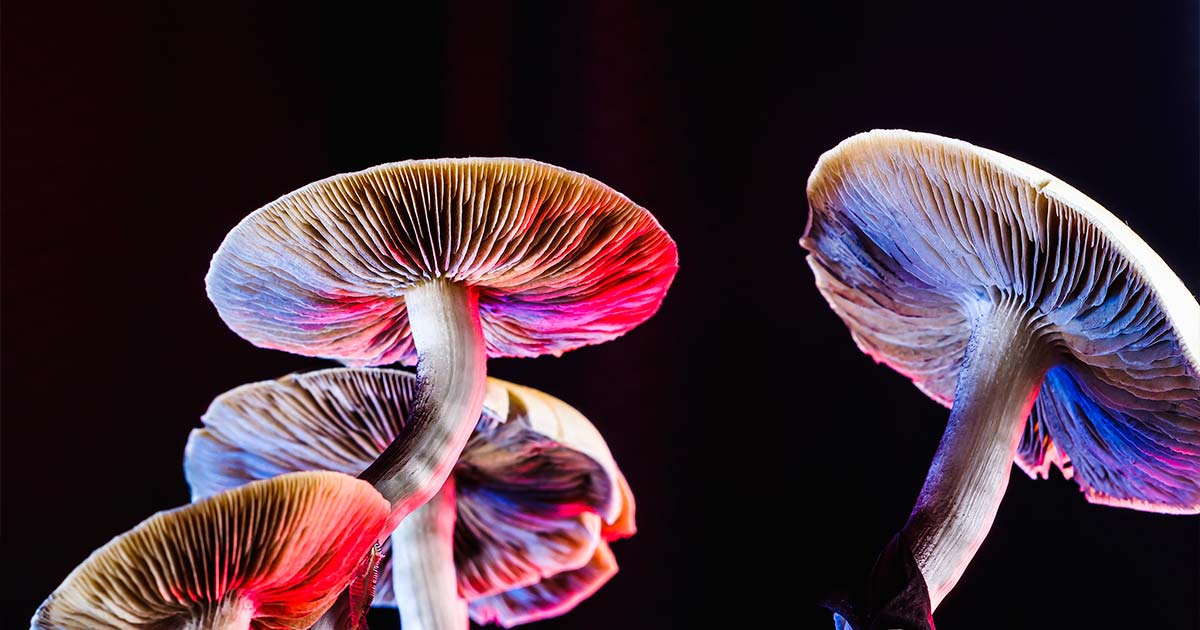
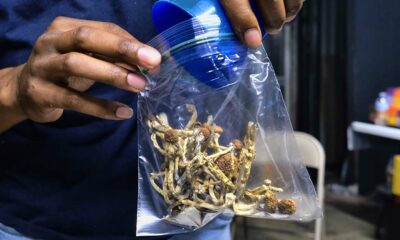
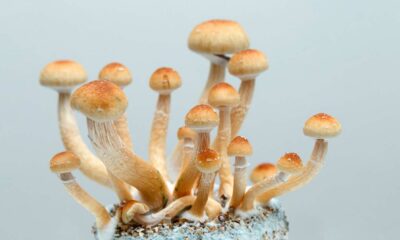
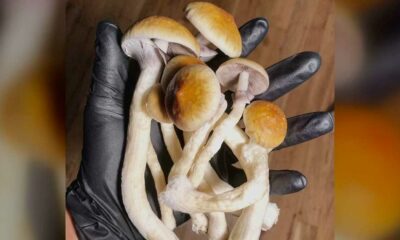
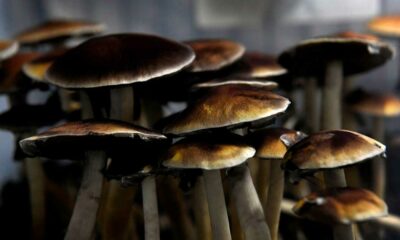
Researchers affiliated with the University of Plymouth are set to launch a groundbreaking study to examine previously untested hypotheses about the origin of psychedelic compounds in mushrooms, focusing primarily on psilocybin.
According to a press release Starting on October 17, researchers will attempt to determine whether psychedelic properties evolved as a defense mechanism against predators or to manipulate the minds of predators.
The current explanation for the development of psychedelic compounds such as psilocybin is that they serve as a kind of defense mechanism against predators. Certain types of beetles, flies, and other invertebrates normally have an insatiable appetite for mushrooms. Psilocybin causes hallucinations in humans, but some research suggest that psilocybin might trick insects into losing their appetite—a truly unique defense mechanism.
«In recent years, there has been a renewed interest in psychedelic compounds for human health,» said Dr. Jon Ellis, associate professor of conservation genetics and principal investigator. «However, we know almost nothing about the evolution of these compounds in nature, and the question of why mushrooms should contain neurotransmitter-like compounds remains unresolved.»
Ellis continues: «The hypotheses that have been proposed regarding their evolution have never been formally tested, and that is what makes our project so ambitious and innovative. It could also … lead to exciting future discoveries, as cutting-edge research on fungal defense is likely to result in the development of new compounds that could be used as fungicides, pesticides, pharmaceuticals, and antibiotics.»
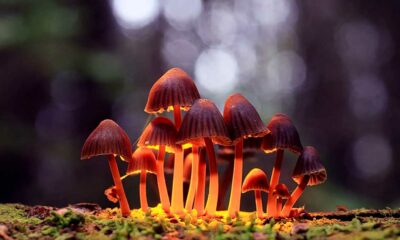
Other species of psychedelic mushrooms, such as amanitas, work very differently.
Dr. Kirsty Matthews Nicholass explained how different types of psychedelic mushrooms behave very differently.
«Within the Psilocybe genus alone, there are nearly 150 hallucinogenic species found on every continent except Antarctica,» Nicholass said. «However, the mushroom species in which these »magical» compounds are found are not always closely related. This raises interesting questions about the ecological pressures that may act to maintain the psilocybin biosynthetic pathway.”
Another theory is that psilocybin somehow manipulates the minds of invertebrate predators—as has been observed in other species of mushrooms.
A recent discovery is that of Ophiocordyceps unilateralis, also known as the «zombie fungus,» a parasitic fungus that grows and fills the body of an ant, manipulating its mind so that it perches in a spot exactly 25 centimeters above the ground—which is ideal for the fungus to grow and reproduce. Just like in the movie *Alien*, a fungal stalk emerges from the ant’s head and releases a spore capsule to reproduce as a parasite.
Like the zombie ant fungus, psilocybin might also manipulate the minds of predators.
Ellis went on to explain how psychedelic research had been hampered by obstacles in the past, until the the resurgence of psychedelic medicine in recent years.
«I hope our project can change the public’s perception of hallucinogenic mushrooms,» he said. «But beyond that, asking questions about the biological world is a fundamental part of our human nature, and this project is part of a long history of research that explores questions about biodiversity and its evolution.»














CBD is said to promote athletic recovery, without improving performance

294 cannabis clubs in Chile: a booming movement with uneven distribution

Chronic Sciatica: New York Approves First Clinical Trial of a THC-Based Medication

United States: The DEA is accelerating the integration of medical cannabis at the federal level

Florida is nearing one million patients using medical cannabis

Uruguay Revives Its Plan to Allow Tourists to Legally Access Cannabis

In Brazil, researchers are developing an innovative CBD eye drop

Autism: Medical Cannabis Is Linked to Reduced Anxiety

The $28 billion U.S. hemp market remains under threat

Jamaica Eases Small Farmers' Access to the Cannabis Market
-
 Business6 days ago
The legal cannabis market in New York exceeds 4 billion $ in revenue
-

 Cannabis in France2 weeks ago
Which countries legalized medical cannabis before France?
-
Business2 weeks ago
South Korea is preparing to begin local production of medical cannabis to meet rising demand
-
Cannabis in the Netherlands4 weeks ago
One year after the launch of the Dutch cannabis experiment, the first trends are emerging
-
Cannabis in Thailand2 weeks ago
From the boom in dispensaries to a purely medical approach: Thailand is revising its cannabis policy
-
Cannabis in France4 weeks ago
French medical cannabis remains stalled at the Ministry of Health
-
Cannabis in Argentina3 weeks ago
Argentina Opens Its Market to Hemp Flowers Containing 1% of THC
-
Cannabis and driving2 weeks ago
Medical Cannabis and Driving: New South Wales Ends Automatic Penalties for THC

















You must be logged in to post a comment Login