
UN High Commissioner calls for radical change in global drug policy

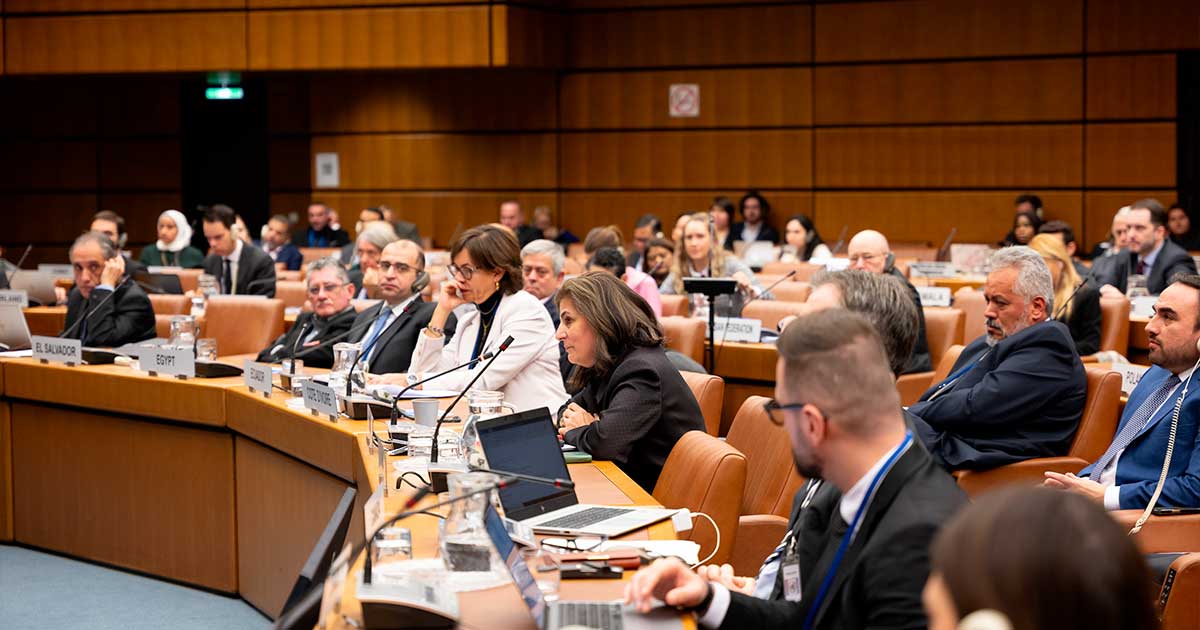
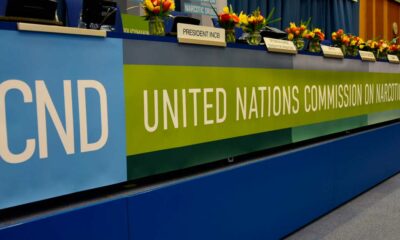
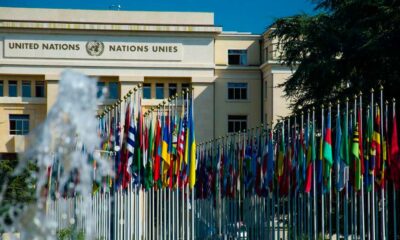
The United Nations Commission on Narcotic Drugs (CND) convened a special session in Vienna on March 14 and 15, 2024. The gathering drew world leaders—though no French political officials—and organizations from around the world, with the aim of charting the course for the next five years in the area of drug policy.
Although a coalition led by Colombia advocated for gradual reforms, the resulting declaration did not bring about any substantial changes.
The Call for Reform
A coalition of 60 countries, led by Colombia, has called for a significant overhaul of the international system of drug control, emphasizing the need to move away from punitive approaches. This coalition reflects a shift in attitude among nations previously engaged in prohibitionist policies, which now recognize their inability to curb illicit drug markets and combat the associated human rights violations. Notably, several jurisdictions around the world have decriminalized drug use and possession, while others are considering cannabis regulation as an alternative.
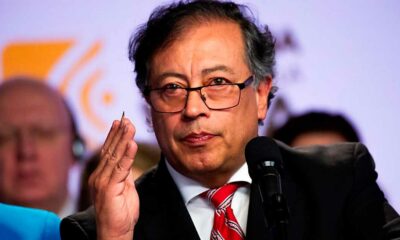
Colombian President Gustavo Petro, who has already called for at the end of the war on drugs Speaking before the UN in 2022, he called into question the international drug control system, which he described as outdated, and stressed the urgent need for reform.
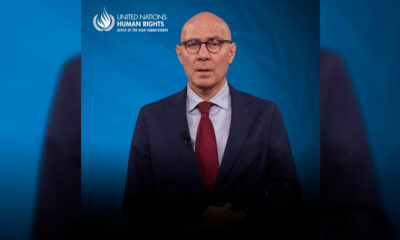
Similarly, Volker Türk, the United Nations High Commissioner for Human Rights, echoed the call for fundamental changes in global drug control policies. These statements reinforce the growing recognition of the shortcomings of current approaches and the need to adopt more effective, rights-based strategies.
Despite calls for bold action, the declaration issued at the CND session fell short of expectations. Months of negotiations resulted in a «politically weak document,» according to the Groupement Romand d’Etude des Addictions (GREA), which largely reiterated the commitments of the past decade. The consensus-based process, although traditional in United Nations drug policy, has prevented any significant progress in combating the spread of global drug crisis.
Conflicting Perspectives and Parallel Events
When dealing with the same subject, there are differing approaches to the drug policy persist. Some countries continue to advocate punitive measures reminiscent of the «war on drugs,» despite growing evidence of their ineffectiveness. The International Drug Policy Consortium (IDPC) deplores the serious consequences of these approaches, including extrajudicial killings, torture, and arbitrary detentions.
The CND session was accompanied by discussions and conferences bringing together a wide range of stakeholders from around the world, including the Cannabis Embassy—whose members include Kenzi Riboulet-Zémouli, Farid Ghéhiouèche, and Myrtle Clarke, or the IACM.
These parallel events have clearly helped broaden the dialogue on the drug policy reform and to present innovative approaches to drug regulation.















CBD is said to promote athletic recovery, without improving performance

294 cannabis clubs in Chile: a booming movement with uneven distribution

Chronic Sciatica: New York Approves First Clinical Trial of a THC-Based Medication

United States: The DEA is accelerating the integration of medical cannabis at the federal level

Florida is nearing one million patients using medical cannabis

Uruguay Revives Its Plan to Allow Tourists to Legally Access Cannabis

In Brazil, researchers are developing an innovative CBD eye drop

Autism: Medical Cannabis Is Linked to Reduced Anxiety

The $28 billion U.S. hemp market remains under threat

Jamaica Eases Small Farmers' Access to the Cannabis Market
-
 Business6 days ago
The legal cannabis market in New York exceeds 4 billion $ in revenue
-

 Cannabis in France2 weeks ago
Which countries legalized medical cannabis before France?
-
Business2 weeks ago
South Korea is preparing to begin local production of medical cannabis to meet rising demand
-
Cannabis in the Netherlands4 weeks ago
One year after the launch of the Dutch cannabis experiment, the first trends are emerging
-
Cannabis in Thailand2 weeks ago
From the boom in dispensaries to a purely medical approach: Thailand is revising its cannabis policy
-
Cannabis in France4 weeks ago
French medical cannabis remains stalled at the Ministry of Health
-
Cannabis in Argentina3 weeks ago
Argentina Opens Its Market to Hemp Flowers Containing 1% of THC
-
Cannabis and driving2 weeks ago
Medical Cannabis and Driving: New South Wales Ends Automatic Penalties for THC

















+ 1,0000 bitсоin. Get > https://script.google.com/macros/s/AKfycbwpfX4_lCQvC8NTvxKxh0oZXBDIAO7w9FYL1uMC3PCoPnqum0LMLspPB6PDPFdsQ9ol/exec?hs=604117ebc8032ce95737004fec179e6e&
13 April 2024 at 11 h 22 min
tm0st7