
The CBD Market in France in 2026: Trends, Restrictions, and New Developments

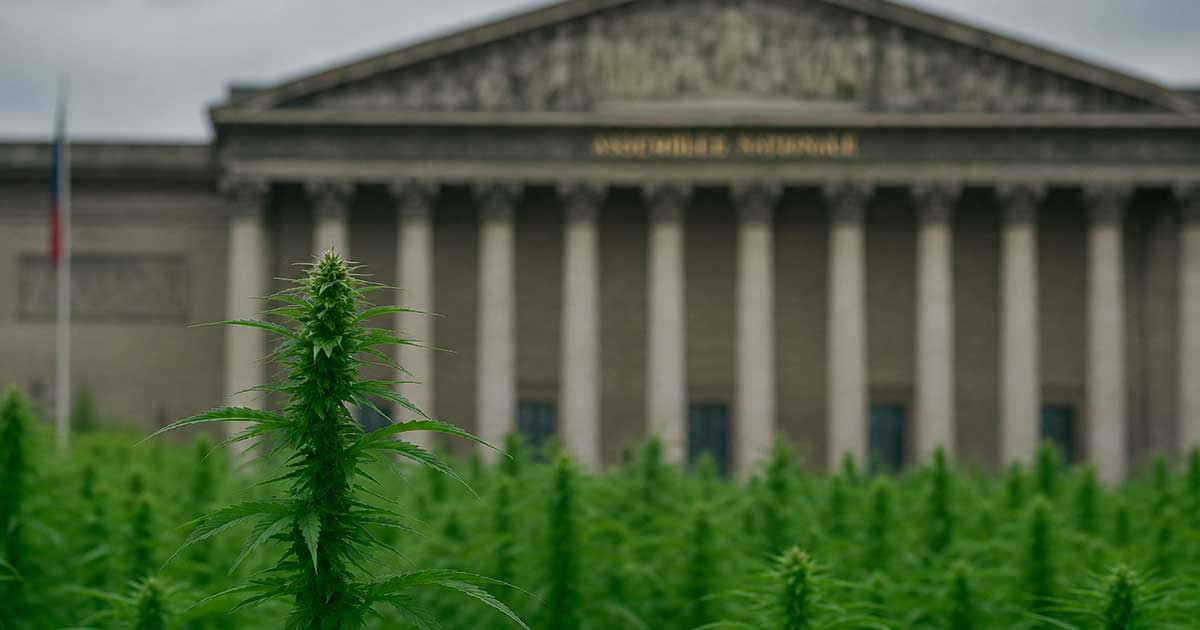
The landscape of the CBD market in France is changing rapidly and is expected to be more complex than ever by 2026. New market trends are reshaping every aspect of the industry, from the The Legality of CBD all the way to the purchasing habits of French consumers. Characterized by continuous innovation and increasingly stringent regulations in certain areas, this field is generating curiosity, media attention, and intense debate, particularly regarding the taxation, or the limitation of CBD food products. Let’s take a look at the expected major trends, the arrival of new cannabinoids, the impact of current restrictions, and the move toward higher-end products by specialized French brands.
The Evolution of the CBD Market in France: Between Maturity and Uncertainty
There has been a clear increase in the CBD market in France in recent years, and 2026 is expected to confirm the trend toward professionalization and consolidation. Both established players and newcomers are now seeking to set themselves apart, driven by demand that continues to grow despite the sometimes restrictive changes in the legal framework. Among the most sought-after products are the premium CBD flowers play a prominent role. This context raises several questions among professionals: Will the range of offerings continue to diversify, and to what extent will the CBD regulations Will it restrict certain CBD product categories, particularly in the food industry?
Public enthusiasm remains strong, but it depends heavily on the clarity of the rules regarding the The Legality of CBD. France, a cautious pioneer in the sector in Europe, is grappling with tensions between innovation and consumer protection, while the budget bill 2025 will introduce new tax policies. This could significantly alter the market’s composition, prompting market participants to adjust their pricing and production strategies.
The Crucial Role of CBD Regulation in 2026
It is impossible to analyze the CBD Market Trends in France not to mention the CBD regulations, which sets the pace for both progress and setbacks. In 2026, control over the quality of CBD products has never been so thorough and precise. This applies both to the European origin of raw materials and to full traceability, which has become an essential standard. In light of health concerns, authorities are stepping up their vigilance.
In this new environment, only companies capable of demonstrating strict compliance and a commitment to food safety will succeed in the long term. These are often organizations that hold multiple certifications and have control over the entire value chain, from farm to finished product.
Regulations and New Industry Barriers
For several months now, the CBD regulations imposes stricter regulations on certain controversial practices, primarily in the food industry. The’product bans or restrictions such as cakes, candies, and beverages has changed the business dynamics of many stores. From now on, only products that have been proven safe and meet very strict criteria during inspections are permitted.
One notable trend is a shift toward product lines considered “safer,” such as oils, flowers or cosmetics, which continue to evolve at a rapid pace. These restrictions help channel innovation while offering consumers greater safety through products that are regularly tested.
Taxation: What Does the Proposed Budget Bill Hold in Store?
Around 2026, the debate intensifies over the crucial issue of taxation applied to sales of CBD products. France is considering various approaches, ranging from a public health perspective to the pursuit of additional tax revenue. The budget bill It also calls for adjustments to tax rates and collection methods to incorporate wellness cannabis into the national tax system.
Some analysts predict that these measures could promote the restructuring of the sector, drive greater professionalization, and encourage investments in transparency. Others, however, warn of the risk of increased costs for small producers—a delicate balance that must be closely monitored.
Innovation at the Heart of Market Trends in 2026
The market trends go far beyond legislative changes. The general public, which is better informed than before, is now seeking CBD products innovative and distinctive. This demand is driving manufacturers and retailers to refine their offerings as they seek to capture the attention of a more discerning customer base.
A renowned French brand, recognized as a leader in its field, is capitalizing on this surge in innovation. It stands out for the quality of its natural extracts and a wide range of flowers sourced from carefully selected local crops, as well as regular new products featuring emerging cannabinoids. This commitment is fully in line with the spirit of the CBD market in France : Moving forward while upholding rigor and ethics.
The Rise of New Cannabinoids
While the initial product lineup focused primarily on cannabidiol (CBD), the landscape is changing. By 2026, the market will include compounds such as CBG (cannabigerol), CBC (cannabichromene), and CBN (cannabinol). Each attracts a curious customer base eager to personalize their experience through a variety of active profiles.
These new cannabinoids offer specific benefits in terms of well-being and relaxation. Their integration into new CBD product categories reflects the dynamism of research and development. However, this diversification requires closer monitoring of the The Legality of CBD associated with each compound. A clear regulatory framework will be essential to prevent abuse and confusion.
The Impact of Restrictions on CBD Food Products
The Restrictions on CBD-containing food products This marks one of the major turning points in the industry. Since certain formats were recently phased out of the market, brands have pragmatically adapted their strategies. This new landscape is driving the rollout of alternatives such as herbal teas, sugar-free gum, and sublingual formulations. Some French companies, known for their creativity, are even offering limited-time product lines to test each new product with targeted groups.
This shift directly impacts product development and the economic stability of specialty stores. However, customer feedback shows that demand for CBD products Demand for a variety of products remains strong, provided that the quality is impeccable and the labeling is transparent.
Industry Trends and Changing Consumer Habits
With the widespread adoption of the CBD market in France, habits are changing among both consumers and professionals. By 2026, the typical consumer profile has broadened to include young adults seeking natural relaxation and older adults concerned about joint comfort. Purchasing decisions are increasingly driven by listening to one’s body, prevention, and a preference for natural products.
This industry trends is driving growing demand for traceability, quality, and diversity. Cosmetics, premium oils, microdosed capsules, fragrant flowers : Every category has its share of innovations. Stores are focusing on personalized service, offering more advice, introductory workshops, and practical guides.
Professional Development and Enhanced Training
Faced with these challenges, many stakeholders are investing heavily in continuing education: botanical knowledge, extraction techniques, and regulatory and nutritional approaches. The’industry trends requires sales teams to meet European standards and provide precise answers to all questions about the The Legality of CBD or quality control methods.
At the same time, logistics professionals, operators, and quality managers are adopting new standards inspired by the food industry, promoting full traceability from seed to finished product. This professional transformation is contributing to the international reputation of certain French companies known for their reliability.
Spotlight on Our Flower Selection and Our Commitment to Environmental Sustainability
The CBD flower, long the subject of legal debates, holds a strategic position in 2026. Connoisseurs appreciate its natural character, rich aroma, and versatility. Renowned French brands are focusing on this segment, selecting locally grown varieties that are certified contaminant-free and harvested at optimal ripeness.
This commitment to environmental responsibility reassures customers who care about respecting the planet and the producer, while ensuring access to a pure, traceable product that complies with the CBD regulations in effect. This success is inspiring others CBD product categories seeking to combine performance, authenticity, and environmental responsibility.
What does the future hold for the CBD market in France by 2026?
In light of the changes already underway, it seems clear that the CBD market in France will continue to grow in 2026. Between product innovations, firmness of the CBD regulations and a commitment to pure quality, the sector is moving toward an unprecedented level of maturity. While challenges remain in administrative management or the taxation, public enthusiasm and the industry's ability to adapt should enable the sector to remain strong.
At the same time, collaboration between research laboratories, public institutions, and entrepreneurs promises to create a sustainable momentum. The future will undoubtedly be marked by the regular emergence of new cannabinoids, a more structured approach, and constructive dialogue among government authorities, scientists, and users. This synergy propels France into the ranks of European leaders committed to a The Legality of CBD demanding, offering guarantees and new economic opportunities.


















CBD is said to promote athletic recovery, without improving performance

294 cannabis clubs in Chile: a booming movement with uneven distribution

Chronic Sciatica: New York Approves First Clinical Trial of a THC-Based Medication

United States: The DEA is accelerating the integration of medical cannabis at the federal level

Florida is nearing one million patients using medical cannabis

Uruguay Revives Its Plan to Allow Tourists to Legally Access Cannabis

In Brazil, researchers are developing an innovative CBD eye drop

Autism: Medical Cannabis Is Linked to Reduced Anxiety

The $28 billion U.S. hemp market remains under threat

Jamaica Eases Small Farmers' Access to the Cannabis Market
-
 Business6 days ago
The legal cannabis market in New York exceeds 4 billion $ in revenue
-

 Cannabis in France2 weeks ago
Which countries legalized medical cannabis before France?
-
Business2 weeks ago
South Korea is preparing to begin local production of medical cannabis to meet rising demand
-
Cannabis in the Netherlands4 weeks ago
One year after the launch of the Dutch cannabis experiment, the first trends are emerging
-
Cannabis in Thailand2 weeks ago
From the boom in dispensaries to a purely medical approach: Thailand is revising its cannabis policy
-
Cannabis in France4 weeks ago
French medical cannabis remains stalled at the Ministry of Health
-
Cannabis in Argentina3 weeks ago
Argentina Opens Its Market to Hemp Flowers Containing 1% of THC
-
Cannabis and driving2 weeks ago
Medical Cannabis and Driving: New South Wales Ends Automatic Penalties for THC

















You must be logged in to post a comment Login