
On the island of the Rastafarians, cannabis cultivation is historically important. After decades of status quo, the government has just authorized the cultivation and consumption of cannabis in medical and religious settings, allowing Rastafaris to consume cannabis and medical dispensaries to open after obtaining a license.
On this small mountainous island, the leading exporter of Caribbean weed to the United States, plagued by trafficking, violence and poverty, the authorities are seeking to develop «medical tourism» to boost revenues. Patients with medical authorization in their own country, for example, will be able to buy cannabis legally in Jamaica. Tourists can also carry up to 56 grams of cannabis on their person without worry.
Find all the latest news and laws regarding cannabis in Jamaica here.
Decriminalized
Cannabis is decriminalized in Jamaica, and its medical use is legal.
Jamaica decriminalized the possession of small amounts of cannabis (56 grams) for personal use in 2015.
Medical cannabis has been legal in Jamaica since 2015. Jamaica has established a regulatory framework for the cultivation, processing, and sale of medical cannabis, with licenses issued by the Cannabis Licensing Authority. Tourists can also obtain a temporary permit to access medical cannabis during their stay.
Jamaica decriminalized the possession of small amounts of cannabis (up to 56 grams) for personal use in 2015.
Since 2015, Jamaica has allowed residents to grow up to 5 cannabis plants for personal use.
Last checked: October 8, 2026
Where in the world is cannabis legal?✨ Newsweed AI is based on our articles and verified data.
Cannabis, which Jamaicans call ganja (a word of Indian origin) was introduced to Jamaica in the 1850s and 1860s by indentured laborers from India, during the period of British rule over both countries. In fact, many terms associated with Jamaican cannabis culture come from Hindi. The plant subsequently became deeply rooted in the country’s identity, particularly through its connection to the Rastafari movement and reggae.
Prohibition took hold early on. Cannabis, then known as «Indian hemp,» was banned by the Ganja Act of 1913, which was supported by the Council of Evangelical Churches of Jamaica. The laws were tightened on several occasions, notably in 1941 and 1961—periods when authorities feared unrest among the working classes, according to scholars. In the 1960s, growers capitalized on growing demand in Europe and North America, which led not only to increased police crackdowns but also to the corruption of the political and security systems through profits from international trafficking.
The reform took place in February 2015, when the Jamaican Parliament passed an amendment to the Dangerous Drugs Act. In April 2015, the first legal cannabis plant was planted at the University of the West Indies (Mona campus). In March 2018, the first medical cannabis dispensary, Kaya Herbhouse, opened in Drax Hall, in the parish of St. Anne.
Cannabis is still illegal in Jamaica, but the 2015 reform significantly relaxed the law. Possession of up to two ounces (57 grams) is a misdemeanor that does not result in a criminal record. The cultivation of five plants or fewer is permitted, and followers of the Rastafari faith may use cannabis for religious purposes. Trafficking is still prosecuted, and authorities continue to target the international trade. The sale of cannabis for recreational purposes is not permitted.
The 2015 reform paved the way for a licensing authority responsible for the cultivation and distribution of medical cannabis: the Cannabis Licensing Authority (CLA). Tourists with a medical cannabis prescription can apply for a permit to purchase small quantities. Legal retail outlets, known as «herb houses,» sell cannabis at prices five to ten times higher than street prices, according to 2021 figures. As of that date, the CLA had authorized 29 growers and 73 other operators (transporters, processors, retailers).
The market has faced challenges: heavy rains during the 2020 hurricane season, followed by drought, rising consumption, and a decline in the number of retailers, led to a shortage in early 2021. Cannabis imports have also been temporarily suspended.
In 2026, Jamaica amended its interim regulations on cannabis licenses to facilitate the entry of traditional growers into the legal market. The reform creates two new permits: a special transitional permit for experienced growers, which paves the way for them to obtain a full license, and a special community permit that allows organized groups to legally participate in medical cultivation. Application fees have been reduced from 3,000 to 150 U.S. dollars, technical support is available, and cultivation licenses—which were previously valid for one year—are now valid for three years, like those in other categories. The challenge is to build a regulated market without excluding the producers who have shaped the cultivation of the plant for generations. However, some industry stakeholders fear an oversupply if processing capacity and export markets do not keep pace.
Jamaica is one of the world’s most iconic countries when it comes to cannabis, but its legal industry is still struggling to grow, due to high prices, difficulties in access for small-scale growers, and barriers to export. Follow our News about cannabis in Jamaica See below for updates to the law.


Jamaica is continuing its efforts to integrate small-scale growers into its legal cannabis market. Six years after launching initiatives aimed at...


Max Romeo, one of the iconic voices of Jamaican reggae, has died at the age of 80. The artist passed away on Friday in Saint Andrew Parish, Jamaica,...


PATOO, a Jamaican brand of psychedelic products, has announced a partnership with Fontana Pharmacy, the island's largest drugstore chain. This collaboration introduces the...
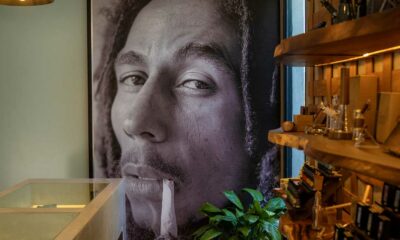

The Bob Marley Museum in Kingston, Jamaica, former home and recording studio of the reggae legend, now boasts a new attraction: the Marley...
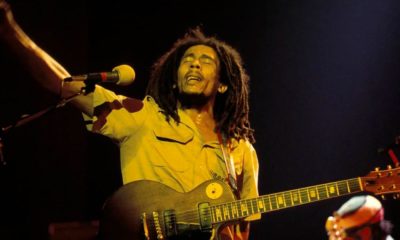

Bob Marley's 77th birthday was celebrated on February 6 with a note from abeng conch, an animal horn used as a musical instrument,...


There's perhaps no country more closely affiliated with cannabis cultivation than Jamaica, and the island's government is working on that reputation...
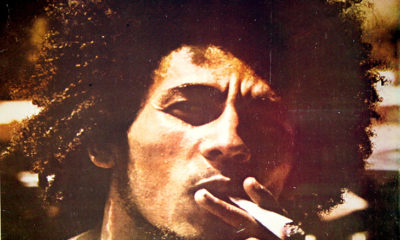

Do a test: say «Bob Marley» to the person next to you. They'll probably answer «reggae» or «cannabis». An obvious association, since...
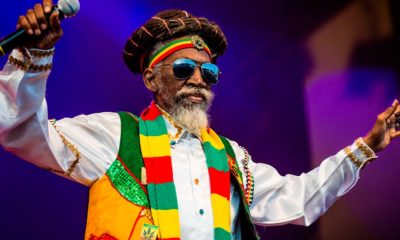

Musician Bunny Wailer died on March 2 at the age of 73. Bunny Wailer, born Neville Livingston, was a founding member of the Wailers,...
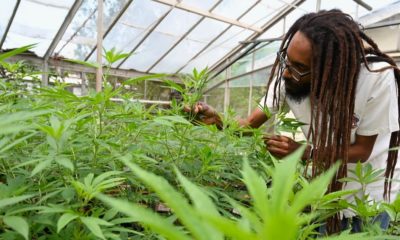

Heavy rains followed by prolonged drought, an increase in local consumption and a drop in the number of cannabis growers have led to a shortage...
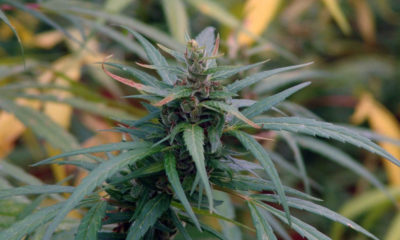

Jamaica unveiled a new plan on Wednesday to revise its regulations surrounding the cultivation and processing of medical cannabis. The...
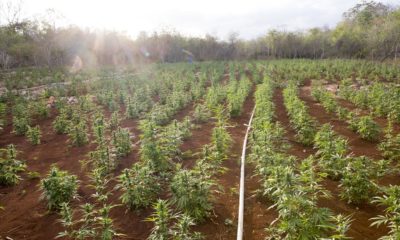

Jamaica has decided to make it easier for small farmers to participate in the cannabis industry. Jamaica's Cannabis Licensing Authority (CLA) announced at the end of...
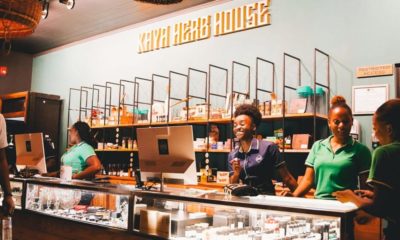

As coronavirus now seems to be hitting the Caribbean, the Jamaican government has announced that it will allow patients to order medical cannabis online. The...
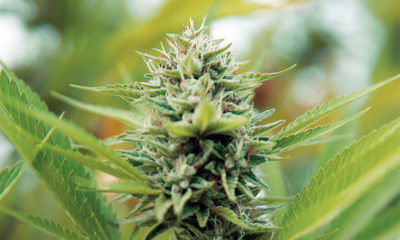

The US federal government has approved a series of clinical trials to evaluate the potential of a cannabis flavonoid from a rare Jamaican cannabis variety, the...
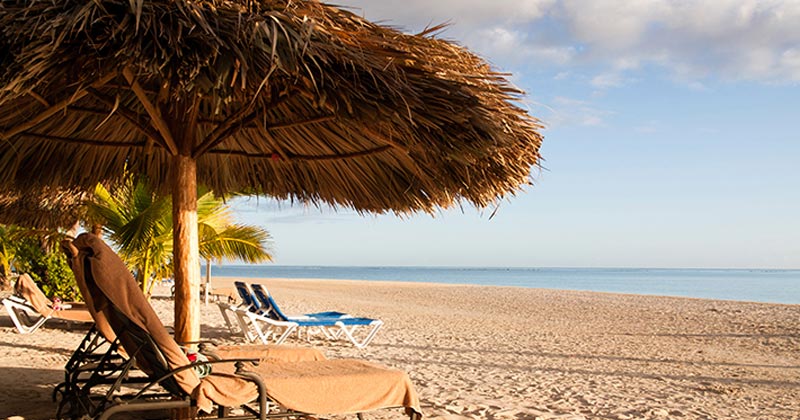
For some people, cannabis can't be recreational, but others like to combine travel with the discovery of local specialties. Avoid certain countries all the same, but the...
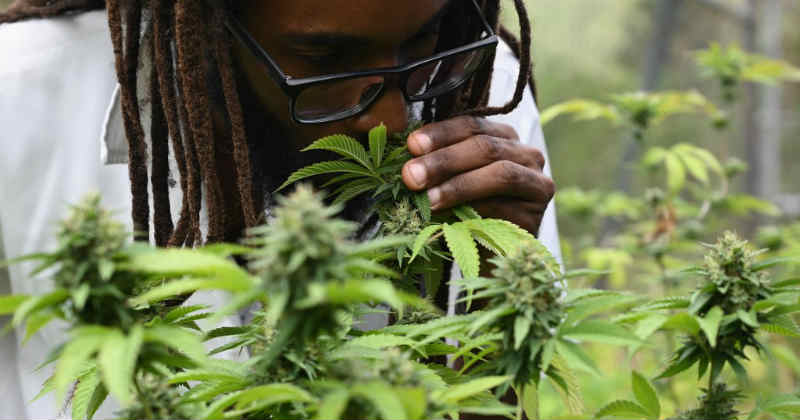
In a greenhouse at the University of the West Indies Botanical Gardens in Kingston, biologist Machal Emanuel is trying to revive Jamaican landraces. These varieties...
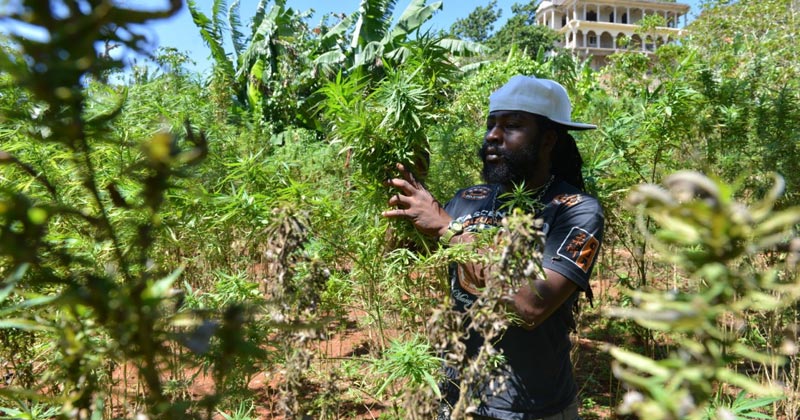
Jamaica obviously has a strong joint history with cannabis. It was banned for more than 100 years, until it was re-legalized...
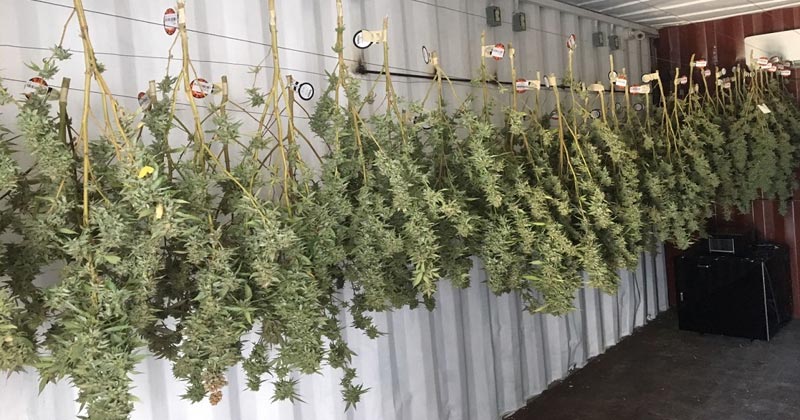
Two Jamaican cannabis growers have successively announced that they have harvested their first kilos of legal cannabis. The first, Kaya Farms, announced its recent...
The days follow one another and the press releases look the same. After Germany, Spain and Denmark, Canopy Growth, one of the largest legal producers of...

Attention reggae fans! To coincide with the «Jamaica, Jamaica! From Marley to the deejays» exhibition currently on show at the Philharmonie de Paris, we...
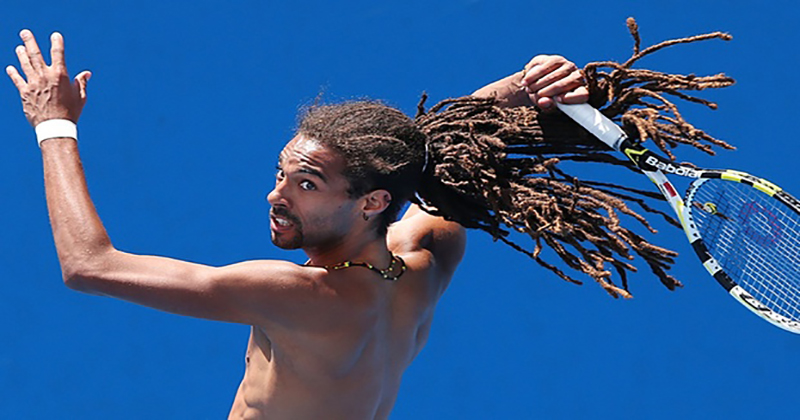
Dustin Brown had made news by taking out Rafael Nadal at the Wimbledon tennis tournament in 2015. This afternoon, he...




