Canada decriminalizes small quantities of drugs in British Columbia

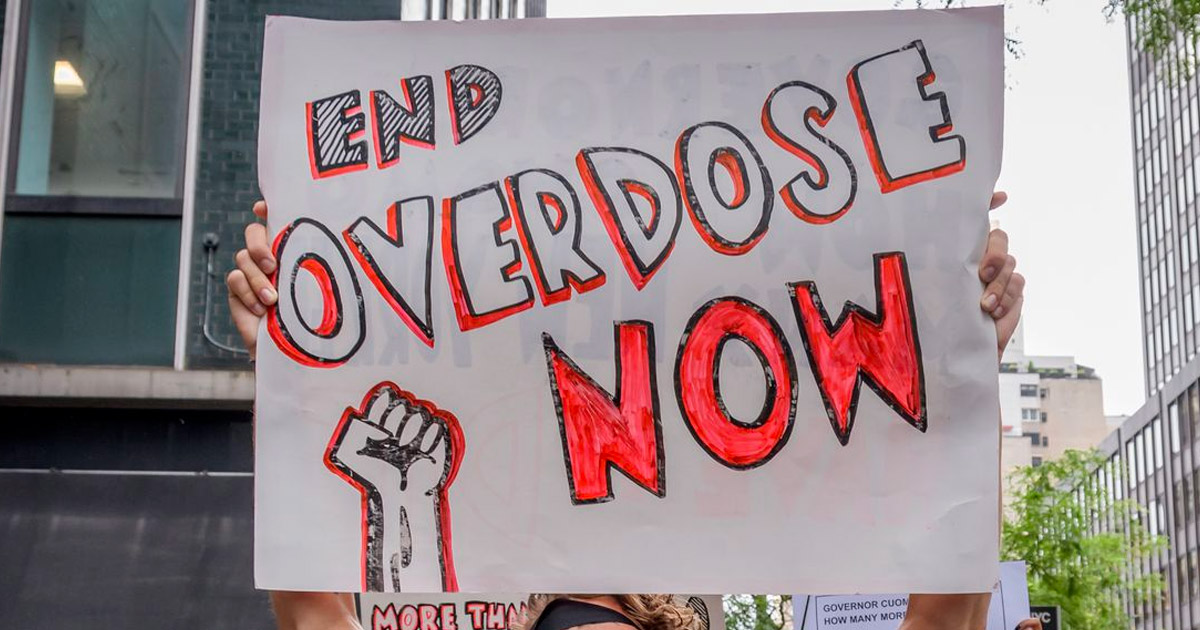
On Tuesday, the Canadian federal government approved a wide-ranging experiment in drug decriminalization in one of the country's largest provinces, British Columbia. As a result, police will no longer be able to make arrests, issue citations or even seize four substances currently illegal in cases of minor possession.
This risk reduction policy will come into effect on January 31, 2023, and will last until at least January 31, 2026 in British Columbia (BC), Canada's fourth largest province by population.
The Federal Minister for Mental Health and Addiction and the Associate Minister for Health have given the green light to this exception of three years to the country's drug code, with the aim of destigmatizing substance abuse and encouraging treatment as an alternative to criminal sanctions for possession of small quantities of drugs, against a backdrop of massive opiate overdoses in the province.
The Provincial Association of Police Commissioners and the Canadian Association of Police Commissioners support this policy, even though the former only proposed decriminalizing one gram.
From 2023, people caught in possession of up to 2.5 grams of certain illicit drugs - including opiates, cocaine, methamphetamine and MDMA - will not be criminalized. British Columbia representatives had proposed setting the possession threshold at 4.5 grams, but the governments reached a compromise.
«Substance use is a public health issue, not a criminal one,» said Sheila Malcolmson, British Columbia's Minister of Mental Health and Addictions. «By decriminalizing people who use drugs, we will break down the stigma that prevents people from accessing vital support and services.»
The overdose epidemic in British Columbia has forced a conversation about the kinds of strategies that could prevent more deaths. Canadian health officials and legislators are increasingly willing to support policies such as improving access to needle exchange programs and anti-overdose medication like naloxone.
«The decriminalization of drug possession is a historic, courageous and revolutionary step in the fight to save lives from the toxic drug crisis,» said Kennedy Stewart, Mayor of Vancouver. «Today marks a fundamental rethinking of drug policy that puts care over handcuffs, and I couldn't be prouder of the leadership shown here by the governments of Canada and British Columbia.»
Today is a momentous day.
ADVERTISINGThe agreement between the Governments of Canada and BC to #decriminalize possession of drugs is an historic, brave, and groundbreaking step in the fight to save lives from the poison drug crisis.
I could not be more proud.#cdnpoli #vanpoli pic.twitter.com/Z290uuo8Uy
- Kennedy Stewart (@kennedystewart) May 31, 2022
The city of Vancouver, in particular, has been at the forefront to promote harm reduction policies, opening its first supervised consumption site in 2003, for example, where people can consume currently illegal drugs in a medically supervised environment.
Officials in other Canadian jurisdictions have also expressed interest in receiving a decriminalization exception from the federal government, but British Columbia is the first to be approved.












JIHE 2026: Japan’s Largest Trade Show Dedicated to Hemp and CBD Returns to Tokyo with More Than 100 Industry Players
New Caledonia: The Courts Clear the Way for the Return of CBD

The Brazilian medical cannabis market continues to grow

Morocco: Three Cannabis-Based Medications Approved for the Treatment of Epilepsy

Canopy Growth Receives New EU-GMP Certification to Strengthen Its Presence in Europe

Three years after legalizing medical cannabis, Albania continues to establish regulations for it

The first plant-based medical THC spray arrives in the United Kingdom

Medical Cannabis in Germany: THC Prices Vary by a Factor of 12

France already has 3,000 cannabis retail outlets. None of them are legal.

Morocco's exports of legal cannabis have expanded to 15 countries
-
 Business2 weeks ago
The legal cannabis market in New York exceeds 4 billion $ in revenue
-

 Cannabis in France4 weeks ago
Which countries legalized medical cannabis before France?
-
Business4 weeks ago
South Korea is preparing to begin local production of medical cannabis to meet rising demand
-
Cannabis in France4 days ago
France already has 3,000 cannabis retail outlets. None of them are legal.
-
Cannabis in Thailand4 weeks ago
From the boom in dispensaries to a purely medical approach: Thailand is revising its cannabis policy
-
Cannabis in the U.S.5 days ago
A DEA report confirms that there are no fatal cannabis overdoses
-
Cannabis and driving3 weeks ago
Medical Cannabis and Driving: New South Wales Ends Automatic Penalties for THC
-
Cannabis in France3 weeks ago
France’s Drug Policy Chief Defends Cannabis Prohibition... and Runs Into the Facts














You must be logged in to post a comment Login