Can Amsterdam really ban tourists from coffeeshops?

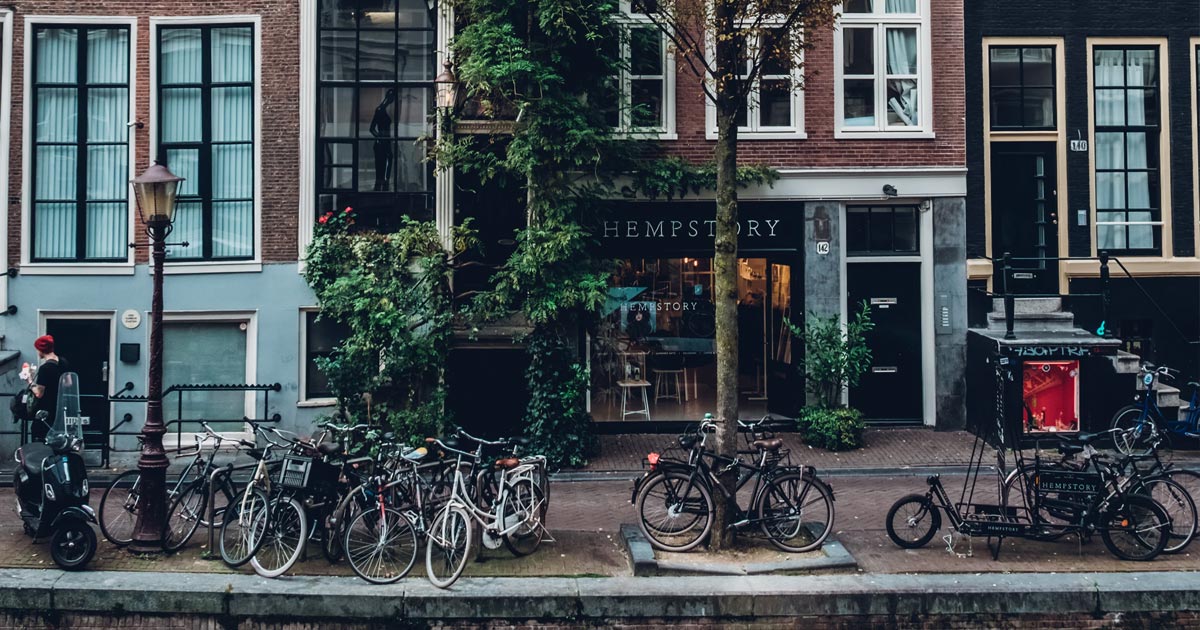
In a letter dated January 8, Amsterdam mayor Femke Halsema proposed more restrictive regulations for coffeeshops, These include the possibility of banning foreigners or developing «chains» of coffeeshops.
An old debate
This isn't the first time the Netherlands has attacked the tolerant policy that has made cannabis a non-negligible part of the country's appeal to foreigners. Back in February 2020, Femke Halsema announced her intention to restrict access to coffeeshops. The coronavirus pandemic has somewhat delayed her plans, which nevertheless already follow a decline in the number of coffeeshops since 2012.
In 2005, Dutch border towns began restricting access. The European Court of Justice was asked about this by a coffeeshop owner, arguing that the new law infringed EU rules on the free movement of goods and services. The Court ruled in 2010 that the city of Maastricht was within its rights when it passed a law in 2005 banning foreigners from coffeeshops.
In 2011, the Dutch government announced that by the end of the year, coffeeshops would begin to close to tourists and be open only to Dutch citizens. Amsterdam's mayor at the time, Eberhard van der Laan, opposed the directive.
«The 1.5 million tourists will not say to themselves «no more cannabis», they will continue to come in search of drugs,» he had declared. « This would lead to more thefts, more quarrels over drugs and no quality control of the drugs on the market. Everything we've worked for would be lost.»
No decision taken
Femka Halsema's proposal prompted mixed reaction. It will be discussed at the town council meeting later this month.
Femka Halsema explained her proposal by the fact that there were still too many coffeeshops and that some had links with organized crime. The city would also like to introduce a regulatory system for coffeeshop suppliers.
«Amsterdam is an international city and we want to attract tourists, but for its richness, beauty and cultural institutions,» a declared Halsema, adding that the city would always remain «open, hospitable and tolerant».
There are currently 166 coffeeshops in Amsterdam. If tourists were banned, a government study suggests there would be fewer than 70.
If the city acts on the project, Halsema said the transition could take months.
According to Joachim Helms, spokesman for Bond van Cannabis Detaillisten, which represents café owners, the proposed changes would simply force tourists to obtain their cannabis by other means. «Cannabis is a popular product that people enjoy all over the world,» he said. «People want to smoke their joint. If that can't be done in a café, they'll buy it on the street.»



















«Vincy Gold»: Humboldt Seed Company on the Hunt for Saint Vincent Sativas

Cronos Completes the Acquisition of CanAdelaar for 57.5 million euros

Cannabis with a "bloody" twist: Discover Sensi True Blood and Sensi Sangria, the two new strains from Sensi Seeds

Hemp: The Council of the EU Takes a Stand on New Production and Marketing Rules

Missouri's legal cannabis market accounts for 93 % of consumer spending

THC Gummies: How to Read a Certificate of Analysis Before Buying

British patients now have access to THCV-rich cannabis flowers

Spain: Medical Cannabis Is Coming to About 50 Hospitals

JIHE 2026: Japan’s Largest Trade Show Dedicated to Hemp and CBD Returns to Tokyo with More Than 100 Industry Players

New Caledonia: The Courts Clear the Way for the Return of CBD
-
 Business3 weeks ago
The legal cannabis market in New York exceeds 4 billion $ in revenue
-
Cannabis in France1 week ago
France already has 3,000 cannabis retail outlets. None of them are legal.
-
Cannabis in the U.S.1 week ago
A DEA report confirms that there are no fatal cannabis overdoses
-

 Cannabis and driving4 weeks ago
Medical Cannabis and Driving: New South Wales Ends Automatic Penalties for THC
-
Cannabis in France3 weeks ago
France’s Drug Policy Chief Defends Cannabis Prohibition... and Runs Into the Facts
-
Studies on cannabis2 weeks ago
Cannabis Oil and Endometriosis: A Promising Study for Pain Relief
-
Autism4 weeks ago
Autism and Cannabis: Results from the First Placebo-Controlled Trial of NTI164
-
CBD3 weeks ago
In Brazil, researchers are developing an innovative CBD eye drop

















You must be logged in to post a comment Login