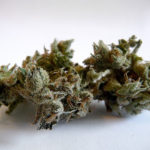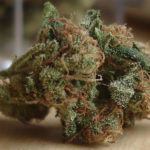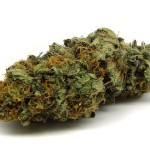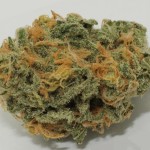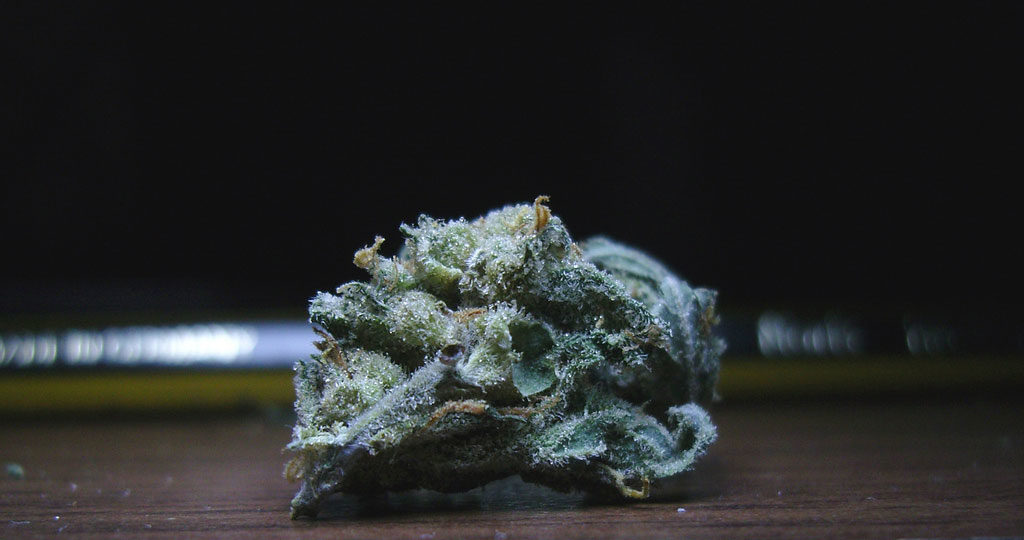
Haze is not just another cannabis variety. It is the parent variety from which Purple Haze, Amnesia Haze, Super Silver Haze, Silver Haze, Lemon Haze, Chocolope and hundreds of other hybrids now make up the bulk of the global sativa market.
Born in Santa Cruz, California, in the 1960s-70s, it is a quasi-pure sativa whose flowering sometimes exceeds 16 weeks with THC levels as high as 27 %. Its effects are among the most intense and cerebral in existence, an absolute benchmark for anyone seriously interested in cannabis.
What is Haze? Definition
The term «Haze» today refers to two distinct things that it is important not to confuse:
1. Original Haze Haze: the original cannabis variety, created in Santa Cruz in the 1970s by the Haze brothers, from four geographically distant landraces. It's a pure sativa, almost impossible to find in its purest form today.
2. The Haze family Haze: all hybrid varieties descended from Original Haze and sharing its sativa characteristics: intense cerebral effects, long flowering, spicy-lemon flavours. This is the most common meaning of the term in coffeeshops and on today's market.
When someone orders «a Haze» in an Amsterdam coffeeshop, it's almost always a Haze hybrid (Silver Haze, Amnesia Haze or Super Silver Haze) and not pure Original Haze, which is virtually no longer grown commercially because of its extremely long flowering time.
History of Haze: the Haze brothers and Santa Cruz
The Haze legend begins in Santa Cruz, California, early 1970s. Two brothers, known under the pseudonyms R. Haze and J. Haze, developed an ambitious cross between four landrace varieties:
- A Mexican (sativa, brings lightness and fruity aromas)
- A Colombian (sativa, for powerful, long-lasting effects)
- A Thai (pure sativa, provides long flowering and spicy aromas)
- A Indian (light indica component, provides resin)
The result is an extreme sativa-dominant plant, with an unprecedented flowering length (up to 16 weeks) and cerebral effects of unprecedented intensity. For several years, Haze circulated only as seeds or clones in Californian growers' circles.
The role of Sam the Skunkman: This is where David Watson, aka Sam the Skunkman, father of the Skunk #1. In contact with the Haze brothers, Watson became the owner of some of the Original Haze genetics. When he moved to Amsterdam in the 1980s, He took thousands of seeds with him, including precious Haze genetics.
From Sam to Neville, Haze conquers Europe: In Amsterdam, Watson works with Neville Schoenmakers, Australian breeder and founder of The Seed Bank (later to become Sensi Seeds). Neville uses Original Haze to create the Neville's Haze, one of the first commercial Haze hybrids, and began distributing seeds across Europe.
This is how Haze genetics, born in a Santa Cruz garden, became the foundation of the global cannabis industry.
Is Haze a sativa or an indica?
The original Haze is a pure sativa, 100% from sativa landraces (Mexican, Colombian, Thai) with a hint of Indian indica. This is one of the purest sativas ever selected.
This sativa purity is evident in all its aspects:
- Extreme morphology Very tall plant (200-300 cm), elongated, airy buds, fine, long leaves, sativa morphology taken to the extreme.
- Exceptionally long flowering 12 to 16 weeks (84-112 days), the main obstacle to commercial cultivation
- Exclusively cerebral effects no noticeable body component, no muscle relaxation, no sedative effect
Modern Haze hybrids (Amnesia Haze, Silver Haze, etc.) have been created precisely to reduce the flowering time of pure Haze by crossing it with indicas or faster hybrids, while retaining its characteristic cerebral effect profile.
Haze aromas, flavours and terpenes
Haze's aroma profile is one of the most recognizable in the cannabis world. It's the origin of the term «haze taste», an aromatic category in its own right in cannabis culture.
Nose: spicy and earthy in the foreground, with citrus notes (lemon, grapefruit) in the background. Some phenotypes develop floral or slightly sweet nuances.
In the mouth: complex, spicy smoke, long-lasting taste with lemony notes on the exhale. Haze leaves a distinctive taste imprint that connoisseurs recognize immediately.
Its dominant terpenes :
- Terpinolene Haze: signature terpene of the Haze family, responsible for floral, herbaceous and slightly lemony notes. It's the most discriminating terpene for identifying Haze genetics.
- Ocimene sweet, fruity and slightly woody notes that complement the terpinolene profile
- Myrcene brings earthy depth and a light relaxing undertone
What are the effects of Haze?
Haze's effects are why we instinctively associate sativas with «cerebral highs». Before Haze, this distinction didn't really exist in cannabis culture, and it was Haze that set the standard.
Onset: the effects come on relatively quickly for pure sativa, within minutes of inhalation. Just a few puffs are enough to feel the first effects.
Main phase : The high is complete cerebral. Thoughts speed up and multiply, sensory perception intensifies. Some users describe quasi-psychedelic effects in high doses: slight distortions, an unusually rapid flow of ideas, a feeling of being «tuned in» to a different frequency. It's a mentally active experience, almost dizzying for the uninitiated.
Main effects :
- Intense, long-lasting brain stimulation
- Euphoria and accelerated creative thinking
- Mental and physical energy
- Amplified sensory perception
Possible side effects:
- Anxiety and paranoia: Haze is one of the varieties most likely to cause these effects in people sensitive to sativas.
- Light pressure on temples at start of effect
- Insomnia if consumed in the evening (no sedative effect)
⚠️ La Haze is not recommended for beginners and people prone to anxiety. Its pure sativa profile and THC of up to 27% make it one of the most psychoactively potent strains.
Medical uses
Haze is used in medical cannabis mainly for :
- Depression and mood disorders its euphoric effect is one of the most powerful and long-lasting of all sativas
- Chronic fatigue the energy boost is substantial and prolonged
- Stress in moderate doses, brain stimulation shifts attention from stress to other thoughts
- Mild to moderate pain background analgesic effect, insufficient for severe pain
⚠️ For severe pain, chronic inflammatory diseases or insomnia, indica or hybrid varieties are more suitable.
The Haze family: descendant hybrids
Haze's heritage is the most extensive in the cannabis world. Here are the most important representatives, all featured on Newsweed:
Direct hybrids :
- Amnesia Haze Amnesia x Haze, one of the most awarded Cannabis Cups
- Super Silver Haze Northern Lights x Skunk x Haze, 3x Cannabis Cup
- Silver Haze Haze x Northern Lights, a more accessible version
- Neville's Haze The first commercial hybridization of Original Haze by Neville
- Purple Haze Haze x Purple Thai, immortalized by Jimi Hendrix
2nd generation hybrids :
- Lemon Haze Lemon Skunk x Silver Haze
- Chocolope Chocolate Thai x Cantaloupe Haze
- G13 Haze : G13 x Haze
- Skunk Haze : Skunk #1 x Haze, THC 20-22%
Haze cultivation
Original Haze is one of the world's most popular more difficult to grow. Its extremely long flowering period reserves it for experienced, patient growers.
Indoors :
- Flowering: 84-112 days (12 to 16 weeks)
- Height: may exceed 3 metres without control. LST and SCROG mandatory
- Moderate yields despite expectations. Quality justifies the crop, not yield.
- Virtually abandoned in commercial cultivation because of flowering time
Outdoor :
- Harvest: November to December in temperate countries, often too late
- Suitable only for very hot tropical or Mediterranean climates
- In its natural environment (California, Thailand, Colombia), Haze reaches its full potential.
Recommendation: For growers wanting the Haze experience with reasonable flowering, hybrids like Silver Haze (63 days) or Super Silver Haze (65-70 days) are much more practical alternatives.