
Laboratory accused of inflating THC levels for greater profitability

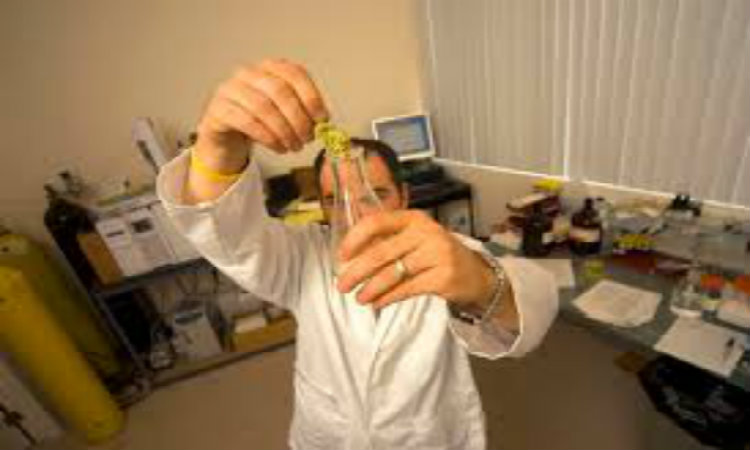
Peak Analytics, the largest testing laboratory in Washington State, is accused of inflating the THC levels in each of its samples. Additionally, this laboratory reportedly has a very low rate of marijuana deemed unfit for consumption compared to its competitors.
More powerful, and therefore more expensive
The complaint, revealed by Leafly, was filed by the Washington Cannabis Laboratory Association to the agency responsible for cannabis regulation. According to data provided by the laboratory association, Peak Analytics allegedly inflated the THC levels by as much as 5% for most of the samples tested.
«These data indicate that Peak Analytics reports figures well above industry-standard results.» «Traceability data show that this overestimation is consistent over time and across growing regions.» «The data shown in the graph represent tens of thousands of samples.».
If these complaints prove to be valid, consumers have paid more for their cannabis without receiving the product they expected.
Widespread practice and strong allegations
The evidence against Peak Analytics is mounting. In February 2017, a cannabis producer had his product tested at eight different laboratories. His samples tested at 13% at all laboratories except Peak Analytics, where they tested at 18%.
According to Leafly’s investigation, some dispensaries encouraged their suppliers to use the fraudulent lab. This allowed the retail price to be increased by a factor of 1.5.
Even more serious than the falsification of THC levels is the approval for sale of cannabis that does not meet health and safety standards. Jim MacRae, an independent scientist, announced after an in-depth investigation that only 5% of the batches are being withdrawn from circulation, whereas 10% of the batches are being withdrawn in other laboratories.
Industry stakeholders—and especially the laboratory’s competitors—are calling for exemplary penalties. Indeed, THC content is the main factor driving consumer purchases. If fraudsters are not punished in a manner commensurate with the severity of their deception, this unfortunate trend could become widespread.





Cannabis and the Adolescent Brain: French Scientists Make a Key Discovery

EFSA Gives Initial Approval for Synthetic CBD; Natural Extracts Still Pending

Federal Cannabis Reform Once Again on Hold in the United States

Contest: Win a trip to Quebec to experience the hemp harvest firsthand

Bedrocan on Hold Amid Uncertainty Over Medical Cannabis

Newsweed Launches Its Own AI
A new tax of 0.5% could disrupt the hemp industry in Canada

Medical Cannabis and Driving: New South Wales Ends Automatic Penalties for THC

China's Yongji Health Takes Control of Tasmanian Botanics

Autism and Cannabis: Results from the First Placebo-Controlled Trial of NTI164
-
 Cannabis and driving3 weeks ago
Cannabis and CBD: French Drivers Can Now Lose Their License Even Without a Positive Test Result
-

 Cannabis in France6 days ago
Which countries legalized medical cannabis before France?
-
Cannabis in France3 weeks ago
Cannabis Legalization: The LFI Bill Has a Major Problem—THC
-
Cannabis in the Netherlands2 weeks ago
One year after the launch of the Dutch cannabis experiment, the first trends are emerging
-
Business7 days ago
South Korea is preparing to begin local production of medical cannabis to meet rising demand
-
Cannabis in Thailand6 days ago
From the boom in dispensaries to a purely medical approach: Thailand is revising its cannabis policy
-
Cannabis in Argentina2 weeks ago
Argentina Opens Its Market to Hemp Flowers Containing 1% of THC
-
Cannabis in France2 weeks ago
French medical cannabis remains stalled at the Ministry of Health

















Etienne Le Roy
August 10, 2017 at 18 h 12 min
Aside from botrytis, what else could cause 10% of batches to be unfit for consumption? That percentage seems enormous! What would the situation be here if we were to test the cannabis on the market?