
United States: cannabis could bring in $4 billion a year for the pharmaceutical industry

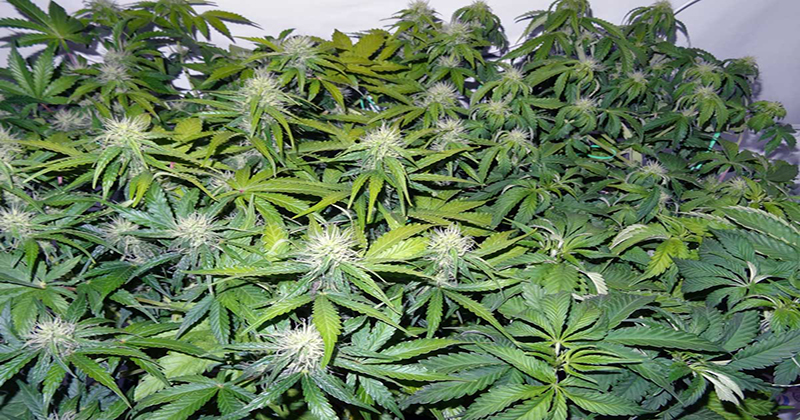
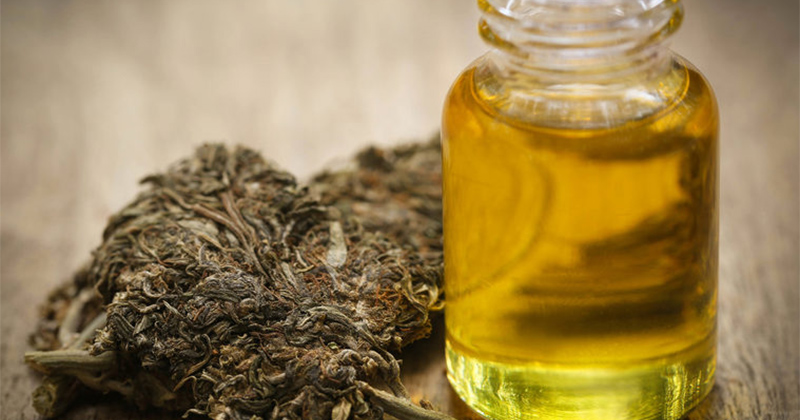
In the United States, medical cannabis used to treat chronic pain, seizures, and anxiety could generate $4 billion for the pharmaceutical industry, according to a report published on the website of Health Affairs.
In particular, the report was published on the website New Frontier Data, a Washington, D.C.-based company that provides data and analytics to cannabis businesses. Amid concerns about the overuse of opioids found in prescription medications, John Kagia, the company’s vice president New Frontier Data stated that «any opportunity that would lead to a solution resulting in a reduction in pharmaceutical drugs would be the subject of an unavoidable public policy debate.».
The report is based on a 2016 study conducted by the University of Georgia. It is based on spending under Part D of Medicare, the U.S. health insurance system in the U.S. states that have legalized medical cannabis. The company also emphasized that medical cannabis was more beneficial for patients than conventional prescription drugs.
Furthermore, research conducted between 2010 and 2013 showed that doctors’ prescriptions for conventional medications decreased in favor of prescriptions for medical cannabis, resulting in savings of approximately $165 million for insurance companies.
Robert Mikos, a law professor at Vanderbilt University and an expert in pharmaceutical policy, said: «It is reasonable to assume that medical cannabis will have an impact on pharmaceutical sales, but estimating that impact precisely is a difficult task. Even if legalization happens overnight, it will take time for doctors to feel comfortable prescribing cannabis to their patients.»
Opposition persisted within the pharmaceutical companies. Insys Therapeutics, an Arizona-based company that has developed a synthetic THC, has funded with $500,000 opposition to recreational cannabis in the state in 2016.
Research by New Frontier Data may prove to be inaccurate in the future, as the impact could be greater or lesser than expected. However, the data provide insights that must be taken into account. Robert Mikos states that «if the data are accurate, a significant portion of the population could benefit from medical cannabis.».
Mehdi Bautier









Federal Cannabis Reform Once Again on Hold in the United States

Contest: Win a trip to Quebec to experience the hemp harvest firsthand

Bedrocan on Hold Amid Uncertainty Over Medical Cannabis

Newsweed Launches Its Own AI
A new tax of 0.5% could disrupt the hemp industry in Canada

Medical Cannabis and Driving: New South Wales Ends Automatic Penalties for THC

China's Yongji Health Takes Control of Tasmanian Botanics

Autism and Cannabis: Results from the First Placebo-Controlled Trial of NTI164

Which countries legalized medical cannabis before France?

From the boom in dispensaries to a purely medical approach: Thailand is revising its cannabis policy
-
 Cannabis and driving3 weeks ago
Cannabis and CBD: French Drivers Can Now Lose Their License Even Without a Positive Test Result
-

 Cannabis in France6 days ago
Which countries legalized medical cannabis before France?
-
Cannabis in France3 weeks ago
Cannabis Legalization: The LFI Bill Has a Major Problem—THC
-
Cannabis in the Netherlands2 weeks ago
One year after the launch of the Dutch cannabis experiment, the first trends are emerging
-
Business6 days ago
South Korea is preparing to begin local production of medical cannabis to meet rising demand
-
Cannabis in Thailand6 days ago
From the boom in dispensaries to a purely medical approach: Thailand is revising its cannabis policy
-
Cannabis in Argentina2 weeks ago
Argentina Opens Its Market to Hemp Flowers Containing 1% of THC
-
Cannabis in France2 weeks ago
French medical cannabis remains stalled at the Ministry of Health















You must be logged in to post a comment Login