
Cannabis (mbanje) is illegal in Zimbabwe, except for licensed medical and scientific use, with penalties of up to 12 years in prison for possession. The country legalized the production of medical cannabis in 2018, solely for export, and in 2023 raised the THC limit for industrial hemp to 1 %. Find all the latest news and laws on cannabis in Zimbabwe here.
Recreational use of cannabis is illegal in Zimbabwe.
Zimbabwe legalized cannabis for medical and research purposes in May 2018. Individuals and businesses can apply for licenses to grow, possess, transport, and sell medical cannabis. The sale of cannabidiol (CBD)-based medications is also permitted.
Zimbabwe has authorized the sale of cannabidiol (CBD)-based medications as a supplement to treatments administered to patients, indicating that CBD is legal only for medical use.
Cannabis use remains illegal in Zimbabwe, and recreational use is prohibited.
Cannabis cultivation is permitted in Zimbabwe only for medical and industrial purposes and requires a license. Recreational use and consumption of cannabis remain illegal.
Last checked: October 8, 2026
Where in the world is cannabis legal?✨ Newsweed AI is based on our articles and verified data.
Cannabis, also known as mbanje (or suruma (near the Mozambican border) has been present in Zimbabwe for centuries. The earliest archaeological evidence dates back to around 1200 CE, and there is ample evidence of its use during the era of the Kingdom of Zimbabwe and, later, the Kingdom of Mutapa. In the Binga region, in the northwest of the country, cannabis use has cultural significance as a social practice, and the plant also has traditional medicinal uses.
However, the plant remains prohibited under the Dangerous Drugs Act (Dangerous Drugs Act, Chapter 15:02), and possession is punishable by up to 12 years in prison. The turning point came on April 27, 2018: Zimbabwe became the second African country to legalize cannabis for medical and scientific purposes, through a regulation issued by the Minister of Health (Statutory Instrument No. 62 of 2018). In 2019, the ban on cultivation was lifted to allow farmers to grow industrial hemp for export, and the country harvested its first legal crops in early 2020.
The possession and use of cannabis remain illegal in Zimbabwe, except for licensed medical use. Possession is punishable by up to 12 years in prison. Seeds are also covered by the ban, as the law applies to «any part» of the plant.
The 2018 regulation legalizes the production of cannabis for medical and scientific purposes. It is administered by the’Zimbabwe Medicines Control Authority (MCAZ), on behalf of the Ministry of Health. It provides for two types of licenses: one for cultivation and research (research and development), and the other for cultivation and production (production for export, as well as research and development). The licenses are valid five years, renewable, and allow for the possession, sale, and transportation of cannabis in dried form or as oil. The Minister of Health may deny a license if it poses a risk to public health or safety.
The cannabis produced is currently intended for export: in Zimbabwe, local use is permitted only for research and development purposes. The MCAZ maintains a public database of active and expired licenses, operates a dedicated laboratory that measures the total THC content of samples intended for domestic use or export, and publishes production guidelines. In 2021, authorities announced that 54 to 57 licenses had been granted to investors, with incentives including a progressive tax of 20 % on raw cannabis, 15 % on semi-processed cannabis, and 10 % on fully processed cannabis.
Industrial hemp differs from medical cannabis in its THC content. According to the Criminal Code of 2023 (Criminal Law (Codification and Reform) Amendment Act, section 155), it is defined as the plant Cannabis sativa L. and any part thereof, including seeds, derivatives, extracts, and cannabinoids, with a delta-9-THC concentration not exceeding 1 % (dry weight). Zimbabwe has thus raised the previous limit from 0.3 % to 1 %, with the aim of removing industrial hemp from the list of dangerous drugs and offering growers a wider choice of varieties, both for fiber and for cannabinoid extraction.
Zimbabwe has made the cannabis industry a key focus for economic development and attracting investors, but the model has drawn criticism. The reform is seen as being more focused on investment and the development of the legal industry than on creating livelihoods for illicit growers. High licensing fees (a figure of $50,000 has been cited for commercial production), production costs, and regulatory and market barriers are excluding many small-scale farmers, particularly in the Binga district, where the plant has long been cultivated. Observers also fear a «risk of corporate capture» at the expense of local agriculture. Follow our Cannabis News in Zimbabwe See below for updates to the law.


Zimbabwe raises the THC limit for industrial hemp from 0.3 % to 1%, a significant change for the country's hemp growers. In...


Zimbabwe now authorizes the sale of cannabidiol (CBD)-based medicines to supplement treatments administered to patients. The country's drug regulatory authority has...

The President of Zimbabwe has inaugurated a €25 million medical cannabis cultivation and processing site. Business Insider reports that...

The Zimbabwean tobacco industry is looking to cannabis as a major source of revenue, anticipating a sharp worldwide drop in tobacco consumption that will curb one of the world's most...

The government of Zimbabwe has granted 57 licenses authorizing the cultivation of cannabis for medical purposes. This announcement marks the official start of this...

The Zimbabwean government is keen to create a medical cannabis industry on its soil. A few months after authorizing three types of license to cultivate...
The government of Zimbabwe has unveiled the 3 licenses that will enable cannabis to be grown under the aegis of the Agricultural Marketing Authority (AMA), the country's regulatory authority...

Last year, Zimbabwe planted for the first time six strains of European industrial cannabis on a 10-hectare plot at the Central Prison...
In early August, Zimbabwe announced its intention to legalize hemp in the near future. The country is seeking to repeal laws banning the use of...
One year after cannabis was legalized for medical and research purposes, the Zimbabwean government has just given the green light to a project...
Zimbabwe legalized the use, cultivation, production and export of medical cannabis in April 2018. Besieged by applications, the government had temporarily suspended the allocation...
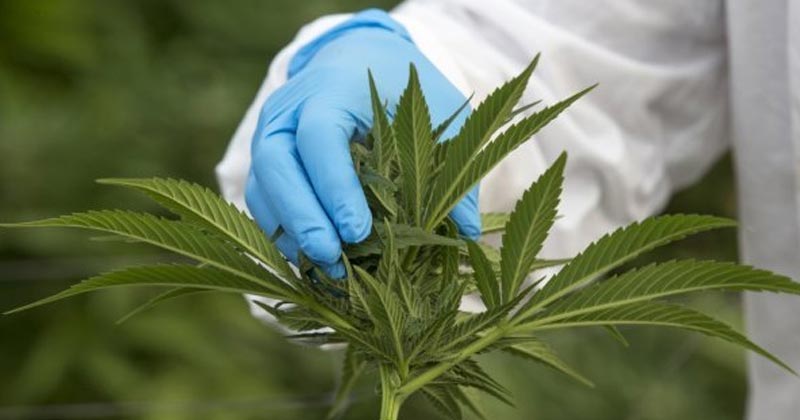
At least $10 million has been earmarked for the construction of the first-ever medical cannabis production plant in Mazowe, Zimbabwe,...
3 weeks after legalizing the cultivation of cannabis for medical use, Zimbabwe has paused the process of allocating production licenses,...
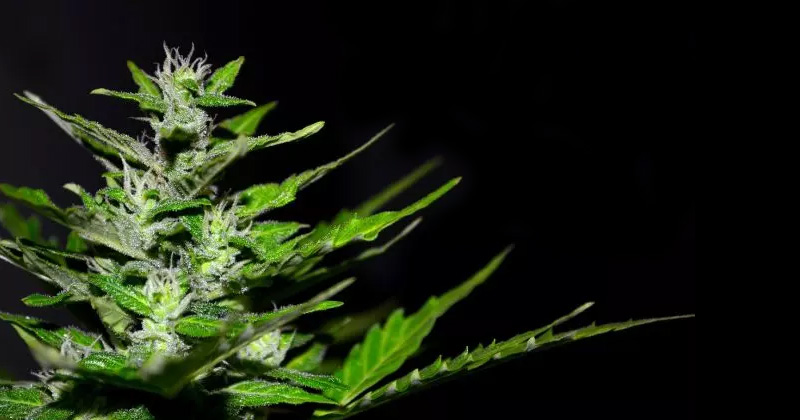
Zimbabwe has become the second African country to legalize cannabis for medical and research purposes. Dr David Parienyatwa, Zimbabwe's Minister of Health,...

The government of Zimbabwe is considering legalizing cannabis cultivation and its therapeutic use, according to local sources. The main aim would be to boost the country's economy...




