
The 62nd session of the UN Commission on Narcotic Drugs marks a new decade of repression

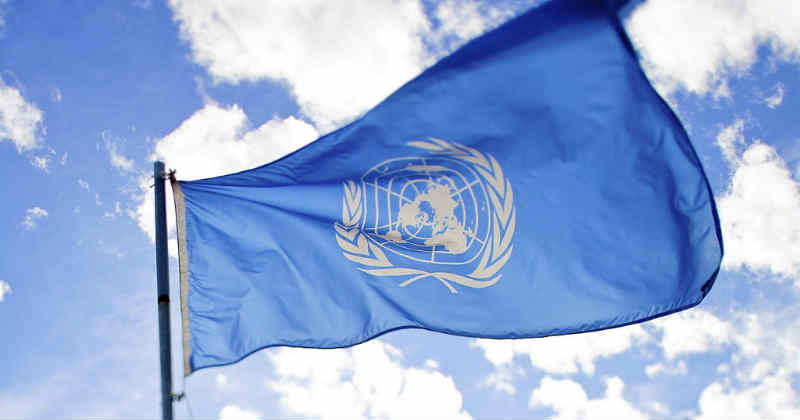
The 62nd session of the United Nations Commission on Narcotic Drugs (CND) opened on March 18 and will conclude tomorrow. As expected, the CND decided to postpone the vote on the WHO recommendations regarding the critical review of cannabis and related substances. Most importantly, the CND has not revised its drug control policy in any way and has simply reaffirmed its commitment, for a period of 10 years, to the same repressive policies currently in effect.
A «Drug-Free World»
The policy statement that was adopted refers to «stepped-up efforts» to «combat the global drug problem.» These words are not insignificant and signal an escalation of repression at a time when more and more governments and civil society organizations are recognizing the need to end the «war on drugs.».
This war stems directly from the goal set by nations of a «drug-free world,» the theme under which the 1998 UNGASS was convened. This slogan was subsequently reiterated in the 2009 Political Declaration. The UN thereby committed to a decade of international drug control policies focused not only on cracking down on drug trafficking but also on drug use.
Today, it is recommitting to the same policy for the next decade. It is stated in black and white in the new policy statement, which will therefore remain in effect until 2029: « We further reaffirm our determination to address and combat the global drug problem and to actively promote a society free from all drug abuse, so that all human beings may live in good health, with dignity and peace, as well as security and prosperity.»
An Unrealistic Goal and an Ineffective Policy
Ironically, drug use has continued to rise since this goal was set. According to data compiled by the FAAAT, demand for narcotics has been rising steadily for the past 10 years: +17% for cannabis, +33% for ecstasy, +16% for opioids. At the same time, all the rights that this objective claims to defend (health, dignity, safety, prosperity) have been systematically violated in the attempt to achieve it.
According to FAAAT data, over the past decade there have been half a million deaths per year from overdoses and preventable diseases (HIV, hepatitis C, tuberculosis), as well as human rights violations: mass incarceration, 4,000 death sentences, and tens of thousands of extrajudicial killings and assassinations. In addition to the human toll, this crackdown has cost a total of more than 100 billion dollars, while only 1% of funds were seized from criminal organizations. Production is booming, and organized crime generates more than 500 billion dollars a year.
«This goal is not merely unambitious; it is illusory and dangerous, leading to both a restriction and a distortion of any possibility of a political response, and prioritizing the elimination of drugs over issues of health, well-being, human rights, and drug-related harm reduction ,» as stated in a press release co-signed by 200 organizations following the 2016 UNGASS, which had once again failed to bring about a new approach to the global drug problem.
The Disappointment of Reformist Organizations
Organizations advocating for change are disappointed. Among them is NORML which states in a press release : «New Classification of Cannabis: The CND Says We Must Wait—Urgently!» The organization laments the UN’s inaction and the rigidity of international conventions: «The conventions are based on the immutable and absurd goal of a drug-free world. They leave no room for the otherwise pragmatic aspirations of global regulation of the cannabis market.» This technocratic debate over the classification of cannabis sidesteps the real international problem: Prohibition no longer works; social use has become the norm.”.
The FAAAT echoes this sentiment. In a press release The French Inter-Association Platform on International Drug Policy states: «By repeating the same measures and objectives—without first assessing the impacts—of the «war on drugs» waged for the past 50 years, the international community has thus chosen to ignore the devastating effects of its common strategy. (…) This approach undermines the missions of promoting peace and human rights set forth in the United Nations Charter, the commitments made regarding health and protection, and the Sustainable Development Goals.»
«A different kind of international policy is possible, and the world cannot wait until the 2029 target date announced in the Declaration for governments to change course and be held accountable. The world cannot afford another decade of repression and, consequently, of predictable failures and harmful consequences for the people and communities affected,» the organization adds, the press release concludes.













CBD is said to promote athletic recovery, without improving performance

294 cannabis clubs in Chile: a booming movement with uneven distribution

Chronic Sciatica: New York Approves First Clinical Trial of a THC-Based Medication

United States: The DEA is accelerating the integration of medical cannabis at the federal level

Florida is nearing one million patients using medical cannabis

Uruguay Revives Its Plan to Allow Tourists to Legally Access Cannabis

In Brazil, researchers are developing an innovative CBD eye drop

Autism: Medical Cannabis Is Linked to Reduced Anxiety

The $28 billion U.S. hemp market remains under threat

Jamaica Eases Small Farmers' Access to the Cannabis Market
-
 Business5 days ago
The legal cannabis market in New York exceeds 4 billion $ in revenue
-
Cannabis and driving4 weeks ago
Cannabis and CBD: French Drivers Can Now Lose Their License Even Without a Positive Test Result
-

 Cannabis in France2 weeks ago
Which countries legalized medical cannabis before France?
-
Business2 weeks ago
South Korea is preparing to begin local production of medical cannabis to meet rising demand
-
Cannabis in the Netherlands4 weeks ago
One year after the launch of the Dutch cannabis experiment, the first trends are emerging
-
Cannabis in Thailand2 weeks ago
From the boom in dispensaries to a purely medical approach: Thailand is revising its cannabis policy
-
Cannabis in France4 weeks ago
French medical cannabis remains stalled at the Ministry of Health
-
Cannabis in Argentina3 weeks ago
Argentina Opens Its Market to Hemp Flowers Containing 1% of THC















You must be logged in to post a comment Login