Study: Cannabis to treat symptoms of obsessive-compulsive disorder (OCD)

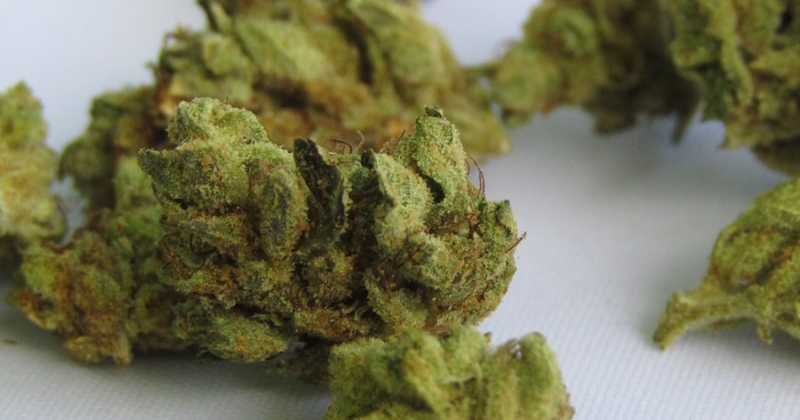
Researchers have examined the symptoms of obsessive-compulsive disorder (OCD), and found evidence to suggest that the endocannabinoid system (ECS) could play a role in alleviating this highly disabling medical condition. OCD is a complex psychological condition in which patients experience uncontrollable, recurring thoughts (obsessions) and behaviors (compulsions), as well as the urge to repeat actions over and over again. In the United States, 2% to 3% of the adult population is affected. According to a study published in May 2015 in the Archives de la maladie de l'enfant, approximately 4% of children and adolescents have OCD.
The condition is difficult to treat. According to the’International OCD Foundation, The most effective treatment is cognitive-behavioural therapy (CBT) combined with psychiatric drugs such as antidepressants and anti-anxiety medication. However, according to a Harvard Medical School publication dated March 2009, only around 10% fully recover from OCD, and only half improve with treatment.
The study is called« The endocannabinoid system: a new therapeutic target for obsessive-compulsive disorder?». The ECS is involved in regulating our neurotransmitters, the chemical messengers that transmit signals between our nerve cells and other cells in the body, and affects just about all our physical and psychological functions. «We examined the complex workings of the ECS and found evidence from animal and human studies supporting a link between OCD symptoms and the ECS,» said Dr. Reilly Kayser of the New York State Psychiatric Institute (NYSPI).
The study was carried out jointly by NYSPI and New York's Weill Cornell Medical College, which concluded that «Some OCD patients who smoke cannabis anecdotally report that it relieves their symptoms and alleviates anxiety, and several case reports describe patients whose OCD symptoms improved were treated with cannabinoids.» In a pilot study analyzed by the team, 16 patients with severe OCD who had both received therapy and taken Nabilone (a synthetic form of THC acting on the brain's SCS) showed almost twice the reduction in symptoms after four weeks than their counterparts treated with Nabilone alone, or those who had only received cognitive therapy.

















Medical Cannabis in Germany: THC Prices Vary by a Factor of 12

France already has 3,000 cannabis retail outlets. None of them are legal.

Morocco's exports of legal cannabis have expanded to 15 countries

Aurora Cannabis Doubles Its Production Capacity in Germany

Tilray is accelerating its operations in Europe thanks to a license in Portugal

Boston will host the 10th annual State of the Cannabis Industry Conference on October 26

A DEA report confirms that there are no fatal cannabis overdoses

A British patient is challenging the NHS's refusal to reimburse medical cannabis

October 2026 CBD Highlights: 10 Strains and Hash to Discover from 5 French Producers

CBD in France: Traceability, Retail Stores, THC and Driving… What the New Bill Proposes
-
 Business2 weeks ago
The legal cannabis market in New York exceeds 4 billion $ in revenue
-

 Cannabis in France3 weeks ago
Which countries legalized medical cannabis before France?
-
Business3 weeks ago
South Korea is preparing to begin local production of medical cannabis to meet rising demand
-
Cannabis in Thailand3 weeks ago
From the boom in dispensaries to a purely medical approach: Thailand is revising its cannabis policy
-
Cannabis and driving3 weeks ago
Medical Cannabis and Driving: New South Wales Ends Automatic Penalties for THC
-
Cannabis in Argentina4 weeks ago
Argentina Opens Its Market to Hemp Flowers Containing 1% of THC
-
Autism3 weeks ago
Autism and Cannabis: Results from the First Placebo-Controlled Trial of NTI164
-
Cannabis in France2 weeks ago
France’s Drug Policy Chief Defends Cannabis Prohibition... and Runs Into the Facts

















You must be logged in to post a comment Login