New Jersey opens more cannabis dispensaries to regulate psychotropic hemp products


To better control products containing cannabinoids derived from hemp such as delta-8-THC, New Jersey has adopted a new approach: the state facilitates access for certain medical cannabis dispensaries to the adult market.
Medical dispensaries enter the adult market
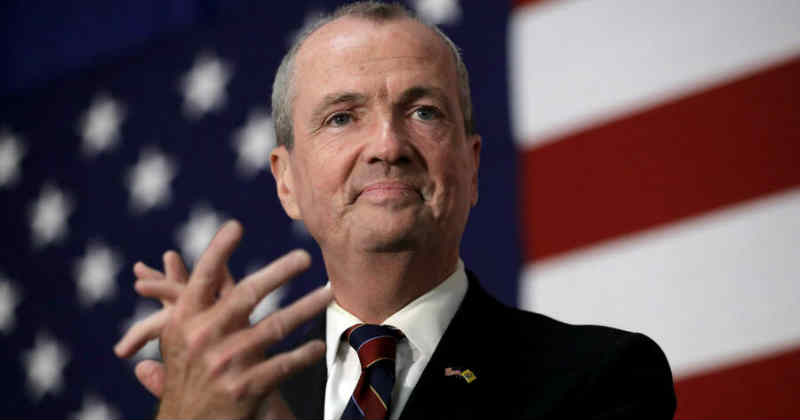
At the heart of this reform is New Jersey Assembly Bill A5051, signed by Governor Mikie Sherrill on May 29, which changes the way certain medical cannabis operators can obtain a recreational retail license.
Under the new law, medical dispensaries that had been licensed by municipalities prior to the legalization of recreational cannabis will no longer need to apply for additional municipal authorization to add recreational sales. Instead, their existing approval as a cannabis business will be considered sufficient to obtain a class 5 cannabis retailer license.
This measure concerns a limited number of operators located in municipalities that currently prohibit the sale of recreational cannabis.
Supporters of the bill argue that these businesses have already been vetted at the local level and should not be required to undergo a second licensing process. They argue that removing this administrative hurdle will allow established operators to participate more fully in New Jersey's growing legal cannabis market.
This change also means that the New Jersey Cannabis Regulatory Commission (CRC) will no longer require proof of municipal authorization when reviewing eligible applications from existing medical dispensaries.
Stricter regulation of psychoactive hemp products
While the change in licenses has attracted a lot of attention, the main aim of the bill is actually to regulate psychoactive products derived from hemp.
Legislation imposes strict limits on cannabinoid products derived from hemp, targeting the following compounds in recent years in convenience stores, tobacconists and online sales platforms. Products containing synthetic cannabinoids or cannabinoids obtained through chemical conversion processes are particularly targeted.
The law also tightens restrictions on the online sale of psychoactive hemp products, and provides for severe penalties for non-compliant products.
At the same time, legislators decided to postpone the full implementation of certain restrictions on hemp until November 13, 2026. The postponement is intended to give regulators time to align state rules with expected federal guidelines for hemp-derived cannabinoids.
This reform illustrates a growing trend among US states: rather than allowing hemp-based psychotropic products to remain largely outside the regulated cannabis system, legislators are increasingly directing consumers towards licensed cannabis distribution channels.
Since the launch of recreational cannabis sales in 2022, the State experienced rapid growth in the cannabis sector. According to CRC data, over 560 cannabis businesses have already been approved or licensed.














«Vincy Gold»: Humboldt Seed Company on the Hunt for Saint Vincent Sativas

Cronos Completes the Acquisition of CanAdelaar for 57.5 million euros

Cannabis with a "bloody" twist: Discover Sensi True Blood and Sensi Sangria, the two new strains from Sensi Seeds

Hemp: The Council of the EU Takes a Stand on New Production and Marketing Rules

Missouri's legal cannabis market accounts for 93 % of consumer spending

THC Gummies: How to Read a Certificate of Analysis Before Buying

British patients now have access to THCV-rich cannabis flowers

Spain: Medical Cannabis Is Coming to About 50 Hospitals

JIHE 2026: Japan’s Largest Trade Show Dedicated to Hemp and CBD Returns to Tokyo with More Than 100 Industry Players

New Caledonia: The Courts Clear the Way for the Return of CBD
-
 Business3 weeks ago
The legal cannabis market in New York exceeds 4 billion $ in revenue
-
Cannabis in France1 week ago
France already has 3,000 cannabis retail outlets. None of them are legal.
-
Cannabis in the U.S.1 week ago
A DEA report confirms that there are no fatal cannabis overdoses
-

 Cannabis and driving4 weeks ago
Medical Cannabis and Driving: New South Wales Ends Automatic Penalties for THC
-
Cannabis in France3 weeks ago
France’s Drug Policy Chief Defends Cannabis Prohibition... and Runs Into the Facts
-
Studies on cannabis2 weeks ago
Cannabis Oil and Endometriosis: A Promising Study for Pain Relief
-
CBD3 weeks ago
In Brazil, researchers are developing an innovative CBD eye drop
-
Autism4 weeks ago
Autism and Cannabis: Results from the First Placebo-Controlled Trial of NTI164
















You must be logged in to post a comment Login