
A cannabis-based COVID-19 vaccine candidate

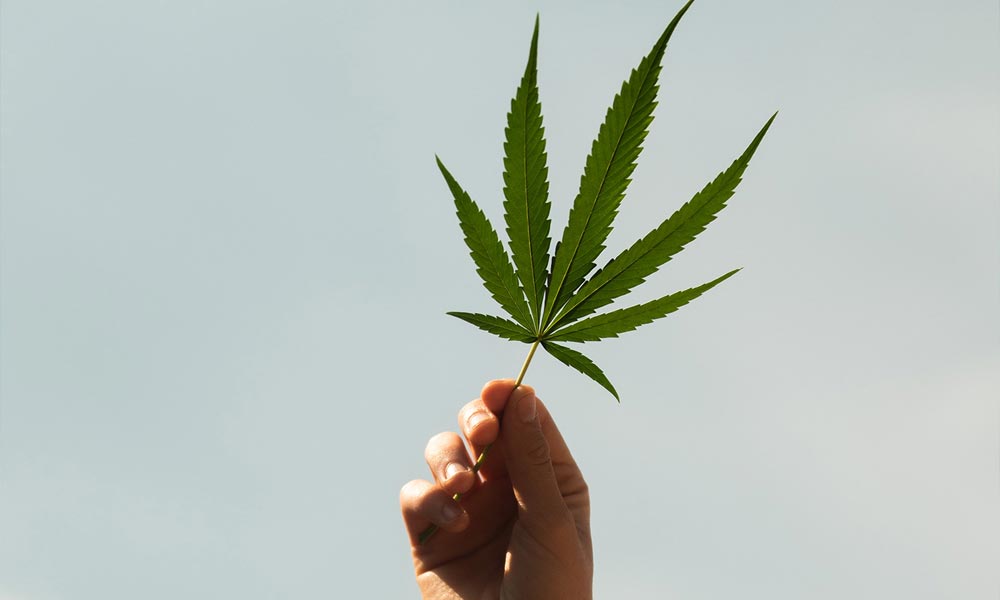
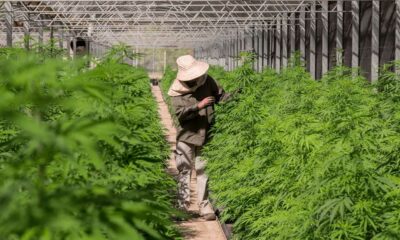
Researchers specializing in infectious diseases at the University of Saskatchewan in Canada are turning to cannabis as they work on a coronavirus vaccine. The research team says that a plant-based antigen may be easier to produce commercially on a large scale than animal-based antigens.
Zyus Life Sciences, a Canadian medical cannabis company, has partnered with the Vaccine and Infectious Disease Organization—International Vaccine Center (VIDO-InterVac) at the University of Saskatchewan to develop cannabis-derived proteins for a vaccine candidate.
How It Works
«We had a protein platform that we’d been working on for a number of years before we entered the cannabis space…,» he declared Brent Zettl, CEO of Zyus. «I asked [our team], »Do you think we could produce a vaccine using this type of protein with our other plant-based system?’ And they didn’t really understand why.”
Zettle went on to explain that its team is working with two different types of compounds. One is derived from cannabis, and the other from a different plant. These compounds are used to produce a protein that can be used in a COVID-19 vaccine candidate.
«The genetic information that VIDO-InterVac developed to identify the antigen that would work as a vaccine is actually a protein fragment. »We then take this DNA and insert it into a plant, which can then produce that same protein,” Zettl added.
According to Zettl, plant-based compounds may potentially be more effective than animal-based compounds because plants can produce proteins more easily, and these proteins are also better suited for large-scale production. The growing focus on animal welfare could also facilitate their adoption.
Dr. Paul Hodgson, a scientist at VIDO-InterVac, has declared ...that no one really knows today what a final vaccine candidate will look like. But with each vaccine trial, the scientific community learns more about the virus and the ways in which it can be combated.
Other initiatives are also exploring the potential of cannabis as a treatment for COVID-19. In the most widely reported study—which has not yet been peer-reviewed—certain cannabis extracts have significantly reduced the activity of viral receptors in artificial human tissue. Israeli researchers are also studying how cannabis compounds might help repair tissue damaged by COVID-19, particularly through the anti-inflammatory properties of CBD.


















CBD is said to promote athletic recovery, without improving performance

294 cannabis clubs in Chile: a booming movement with uneven distribution

Chronic Sciatica: New York Approves First Clinical Trial of a THC-Based Medication

United States: The DEA is accelerating the integration of medical cannabis at the federal level

Florida is nearing one million patients using medical cannabis

Uruguay Revives Its Plan to Allow Tourists to Legally Access Cannabis

In Brazil, researchers are developing an innovative CBD eye drop

Autism: Medical Cannabis Is Linked to Reduced Anxiety

The $28 billion U.S. hemp market remains under threat

Jamaica Eases Small Farmers' Access to the Cannabis Market
-
 Business6 days ago
The legal cannabis market in New York exceeds 4 billion $ in revenue
-

 Cannabis in France2 weeks ago
Which countries legalized medical cannabis before France?
-
Business2 weeks ago
South Korea is preparing to begin local production of medical cannabis to meet rising demand
-
Cannabis in the Netherlands4 weeks ago
One year after the launch of the Dutch cannabis experiment, the first trends are emerging
-
Cannabis in Thailand2 weeks ago
From the boom in dispensaries to a purely medical approach: Thailand is revising its cannabis policy
-
Cannabis in France4 weeks ago
French medical cannabis remains stalled at the Ministry of Health
-
Cannabis in Argentina3 weeks ago
Argentina Opens Its Market to Hemp Flowers Containing 1% of THC
-
Cannabis and driving2 weeks ago
Medical Cannabis and Driving: New South Wales Ends Automatic Penalties for THC
















You must be logged in to post a comment Login