
-

 May 21, 2024
Former GW Pharma executives develop new CBD-based epilepsy drug
Avata Biosciences is developing CBD capsules for epilepsy and other neurological disorders, with a number of former GW Pharmaceutical executives on board. The company...
-

 3 March 2023
In the UK, CBD is said to have killed 10 people. Really?
The UK Committee on Toxicity (COT), which provides scientific advice to the UK Food Standards Agency (FSA), has provided a report showing...
-
 February 17, 2023
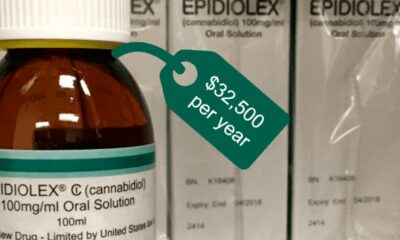
Is GW Pharmaceuticals - now Jazz Pharmaceuticals - trying to bury the CBD industry?
With Europe's CBD sector booming, despite a regulatory quagmire, hundreds of industry players on both sides of the Atlantic are facing the challenge of...
-
 23 January 2023
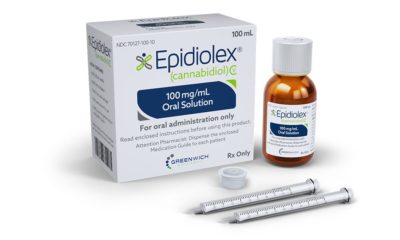
GW Pharmaceuticals sues in the US to protect its patents
The manufacturer of Epidiolex, a prescription CBD drug, has filed a lawsuit in the US for patent infringement. GW Research,...
-
 December 19, 2022
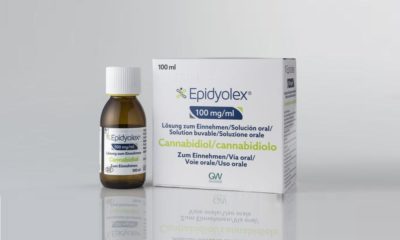
Epidyolex, the first CBD-based drug to be reimbursed in France
Available in France since 2018 through nominative temporary use authorizations (ATU) before obtaining its European marketing authorization (AMM) the...
-

 December 7, 2022
Medical cannabis in France: the DGS sets up a working group
After 4 years of discussions around the experimentation of therapeutic cannabis in France, and its launch almost 2 years ago, the Direction Générale de...
-

 29 April 2021
Her Majesty Queen Elizabeth II rewards GW Pharmaceuticals for innovation
British company GW Pharmaceuticals, long the only company authorized to grow cannabis in the UK, has received the Queens Award for Enteprise 2021 in recognition...
-

 4 February 2021
GW Pharmaceuticals acquired by Irish pharmaceutical company Jazz Pharmaceuticals for €6 billion
Jazz Pharmaceuticals, an Irish pharmaceutical company, has announced that it has reached an agreement to buy 7.2 billion $ (€6 billion) in cash and shares the manufacturer...
-
 October 20, 2020
Italy classifies CBD extracts as narcotics
Compositions for the oral administration of cannabidiol (CBD) obtained from cannabis extracts« have been classified as narcotics in Italy, putting cannabis oils at risk of...
-

 September 28, 2020
GW Pharmaceuticals' Epidyolex approved in Australia
Epidyolex, GW Pharmaceuticals' medical CBD oil, has received approval from the Therapeutic Goods Administration (TGA), Australia's drug regulatory body, to be used...
-
8 April 2020
USA: Epidiolex is no longer a controlled substance
GW Pharmaceuticals announced on Monday that Epidiolex, a cannabidiol (CBD)-based drug used in the treatment of epilepsy, had been removed from Schedule V...
-
 October 2, 2019
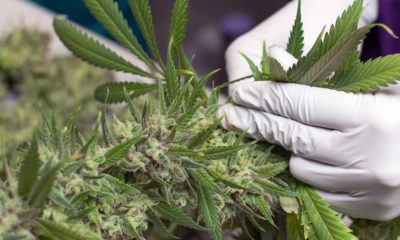
GW Pharmaceuticals mounts autism study
GW Pharmaceuticals has partnered with New York's Montefiore Medical Center to study the efficacy of cannabidivarin (CBDV) on irritability and behavioral...
-
September 24, 2019
Europe approves marketing of Epidiolex
The European Commission has approved the marketing authorization (MA) for Epidyolex, the European name for Epidiolex, as an adjunctive treatment for seizures associated with...
-
 August 6, 2019
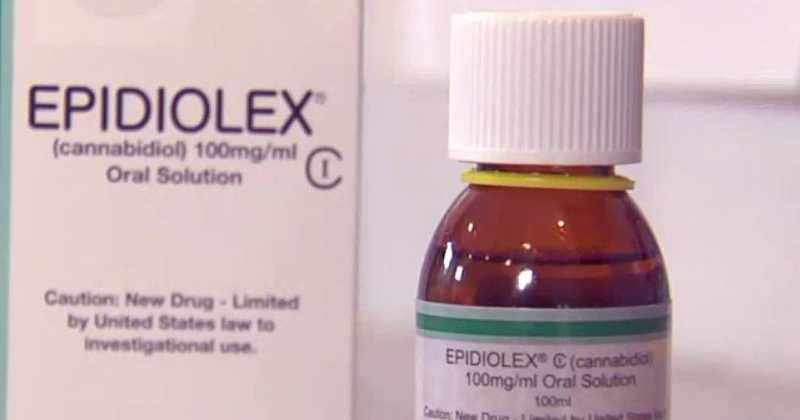
The European Medicines Agency issues a positive opinion on Epidiolex
A panel of the European Medicines Agency (EMA) issued a positive opinion on Friday for Epidiolex, a CBD oil used to treat cases of...
-
 February 1, 2019
GW Pharmaceuticals partners with Professor Mechoulam, the man who isolated THC
British laboratories GW Pharmaceuticals, producers of Sativex and Epidiolex, will be working with Professor Raphael Mechoulam and his team of scientists at the Hebrew University of...
-
 September 28, 2018
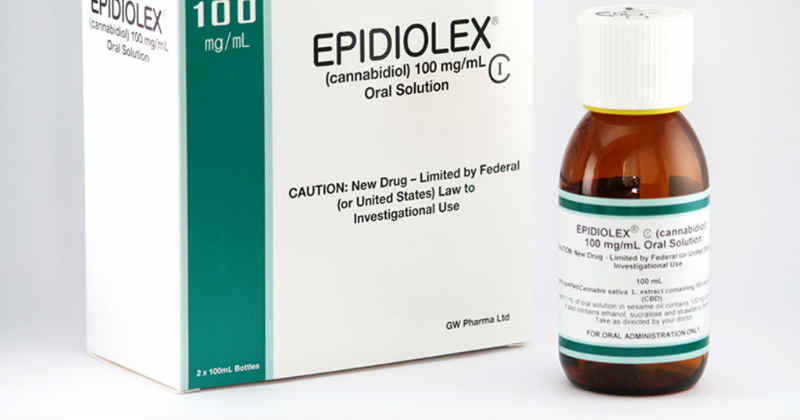
DEA classifies Epidiolex as off schedule 1
In June, the U.S. Food and Drug Administration approved Epidiolex, a CBD oil to treat certain cases of epilepsy. Following...
-
 August 21, 2018
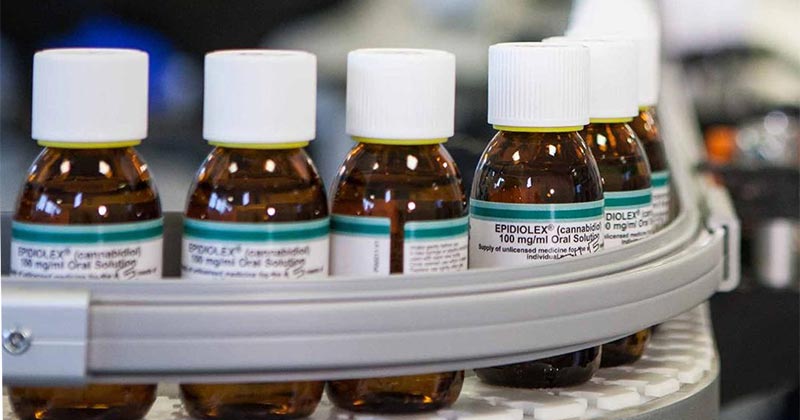
Cannabis-based medicines: what are they?
While research into the possibilities of cannabis and its therapeutic virtues is beginning to multiply, not all countries are making the...
-
 June 26, 2018
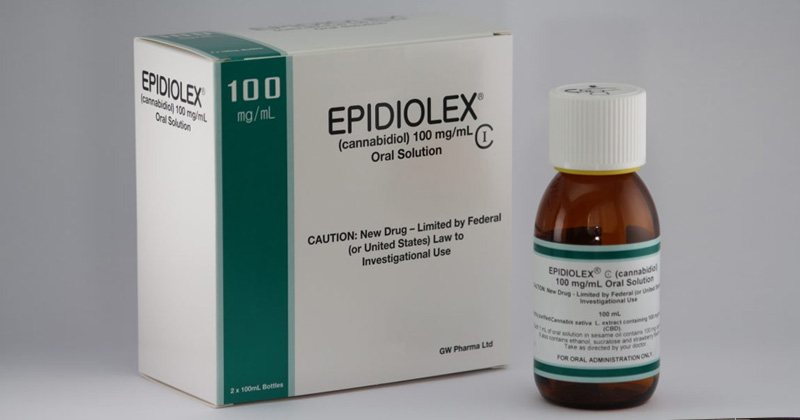
United States: FDA approves Epidiolex, the first authorized cannabis-based medicine
The Food and Drug Administration (FDA), which among other things is responsible for approving drugs for the market, yesterday approved the first...
-
 May 17, 2018
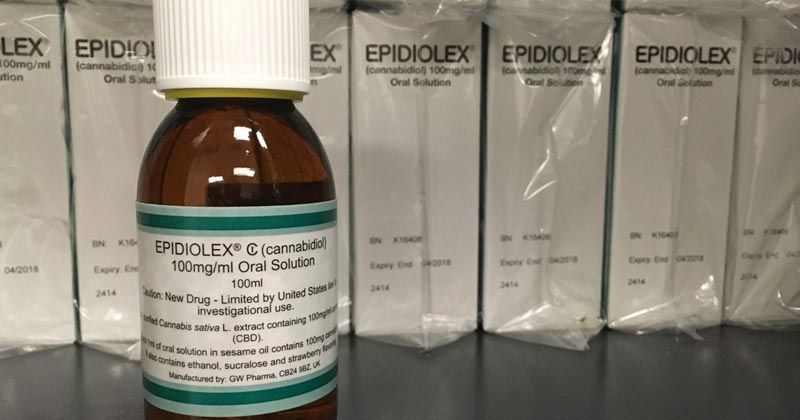
Study: Epidiolex reduces epileptic seizures by 42%
A study just published in the New England Journal of Medicine suggests that two doses of Epidiolex could significantly reduce the number of epileptic seizures in...
-
20 April 2018
United States: FDA gives green light to Epidiolex
Epidiolex, a cannabidiol (CBD)-based drug designed to treat epilepsy, particularly in children, received the backing of the Food and Drug...





Boston will host the 10th annual State of the Cannabis Industry Conference on October 26

A DEA report confirms that there are no fatal cannabis overdoses

A British patient is challenging the NHS's refusal to reimburse medical cannabis

October 2026 CBD Highlights: 10 Strains and Hash to Discover from 5 French Producers

CBD in France: Traceability, Retail Stores, THC and Driving… What the New Bill Proposes

Organigram Enters the Race for Aurora Cannabis

Medical Cannabis: Augur Associates’ latest report provides an update ahead of the publication of the decrees

Golden Buds is relaunching its Nova High vape pens with a cannabinoid formula that’s out of the ordinary

Cannabis is now Canada's fifth-largest commercial crop
