
Belgium: Cannabis Social Clubs in trouble

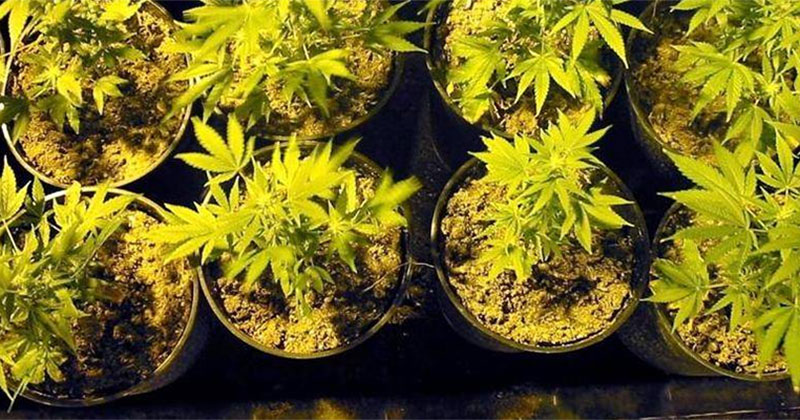
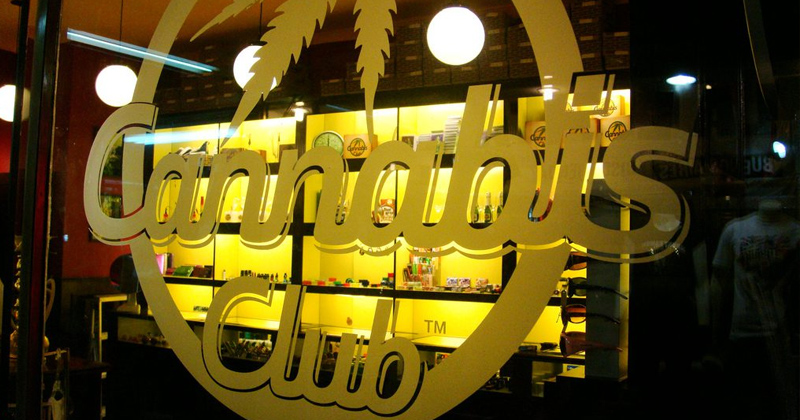
The Cannabis Social Clubs Belgians are looking glum. Most of the founders of CSC are currently under investigation by the courts.
What is a Belgian Cannabis Social Club?
In Belgium, community organizations have been trying for several years to implement the model of Cannabis Social Club in accordance with Belgian law. Currently, an adult may carry up to 3 grams of cannabis and have one plant at home. Collective cultivation, however, is not regulated. Thus, the CSCs propose pooling everyone’s material resources, growing a crop together at a rate of one plant per person, and dividing the harvest among all members.
Each plant is labeled with the owner’s ID card. If stopped by the police, the «gardener» in charge of the association can therefore prove that the plants do not belong to him or her. To register as a «cannabis social club,» you must notify the mayor by submitting an association application. The association must be registered as a «Nonprofit Association« (ASBL), and the application must be approved by each of its members. Each year, the association must publish a report containing financial information, production figures, and production forecasts for the following year. Just like in a sports club, you’ll need to pay a membership fee to the association to help cover the costs of producing, maintaining, and distributing the cannabis.
A Two-Speed Flanders
In the Flemish region, only one cannabis club is authorized in Antwerp. The Trekt Uw Plant (Tire sur ton plant) was founded in 2006. On two occasions, the courts attempted to shut down this association, and on both occasions, the prosecutor’s office authorized it to continue its activities. Through its legal victories, Trekt Uw Plant has inspired other activists to campaign for high-quality cannabis.
In Hasselt, Michel Degens founded the Mambo Social Club In 2013, following the model of »Trekt Uw Plant,» Michel Degens was arrested while on his way to the association’s meeting with 1.1 kilograms of marijuana and 60 cannabis plants belonging to the same number of association members. This unfortunate coincidence thus labeled him a drug dealer, even though he was simply on his way to the Mambo Club to distribute the bags and plants among all the members. The president of the Mambo Club defends himself: «The prosecutor would rather have consumers and patients buy their cannabis on the black market than from a transparent, nonprofit association.» Yet he remains confident: “The directive is clear, and the Mambo adheres to it 100%. A copy of the ID card and a declaration of ownership are attached to each plant (…) the judges recognized that Cannabis Social Clubs are not criminal organizations, but rather a healthy and safe alternative to the criminal underworld.” Michel had been on trial since that date, and the final verdict was handed down yesterday. The Criminal Court announced that the charges had been dropped. Unfortunately, the association had to amend its bylaws and, for the time being, can no longer provide cannabis to its members. The premises will now serve as meeting places and centers for education on the effects of cannabis.
In Wallonia, people get high much less often
In Wallonia, things are even more complicated. In 2013, a cannabis club was established in Namur. After registering with the authorities and the mayor to ensure maximum transparency, the founding members began growing cannabis. On July 18, 2014, the police raided the apartment where the cannabis was being grown. Everything was confiscated, even though the cannabis had been packaged in small 3-gram bags and was intended for distribution to the association’s members.
In 2015, a cannabis social club was established in Tournai under the name of «A healthy foot, healthy grass». The annual membership fee was 50€, and each gram of the finished product cost about 7€. Following an interview in a local newspaper, the association’s president, Adrien Derbaudrenghien, received a visit from the police at his apartment. Eleven plants and 33 grams of cannabis were confiscated. The public prosecutor (representing the state) is seeking the dissolution of «Bon pied Bonne herbe» before the Tournai Criminal Court. The verdict will be handed down on November 29, 2016.
Belgium currently has one of the most progressive European laws with a permit to grow one plant per person and the decriminalization of possession of up to 3 grams of cannabis. Enforcement of the law, however, is more complicated. Local authorities are still cracking down on their citizens with charges that are more ideologically driven than based on factual allegations.








Uncertainty surrounding Bedrocan threatens the supply of medical cannabis flowers to Danish patients

"Light" Cannabis in Italy: The ban on hemp flowers will be delayed until February 2027 pending a ruling by the Constitutional Court

The legal cannabis market in New York exceeds 4 billion $ in revenue

France’s Drug Policy Chief Defends Cannabis Prohibition... and Runs Into the Facts

Cannabis and the Adolescent Brain: French Scientists Make a Key Discovery

EFSA Gives Initial Approval for Synthetic CBD; Natural Extracts Still Pending

Federal Cannabis Reform Once Again on Hold in the United States

Contest: Win a trip to Quebec to experience the hemp harvest firsthand

Bedrocan on Hold Amid Uncertainty Over Medical Cannabis

Newsweed Launches Its Own AI
-
 Cannabis and driving4 weeks ago
Cannabis and CBD: French Drivers Can Now Lose Their License Even Without a Positive Test Result
-

 Cannabis in France1 week ago
Which countries legalized medical cannabis before France?
-
Cannabis in France4 weeks ago
Cannabis Legalization: The LFI Bill Has a Major Problem—THC
-
Business1 week ago
South Korea is preparing to begin local production of medical cannabis to meet rising demand
-
Cannabis in the Netherlands3 weeks ago
One year after the launch of the Dutch cannabis experiment, the first trends are emerging
-
Cannabis in Thailand1 week ago
From the boom in dispensaries to a purely medical approach: Thailand is revising its cannabis policy
-
Cannabis in Argentina2 weeks ago
Argentina Opens Its Market to Hemp Flowers Containing 1% of THC
-
Cannabis in France3 weeks ago
French medical cannabis remains stalled at the Ministry of Health
















You must be logged in to post a comment Login