
9 animals that love to take drugs

Since time immemorial, humans have been using drugs. Whether it’s our cave-dwelling ancestors chewing hallucinogenic plants, medieval villagers unwinding with a cup of mead, or 1960s hippies experimenting with psychedelics, it’s safe to say that the Drug use is one of our oldest pastimes.
However, humans are not the only ones who use drugs. There are many cases of drug use among other animal species.
Cats and Catnip
One of the most familiar examples of animals using drugs is that of cats and catnip. Many cat owners have witnessed their pets’ enthusiasm for this potent plant, which often causes changes in mood and behavior.
A few minutes after eating catnip, cats begin to show signs of intoxication: they sniff, roll around, lick themselves, rub against things, stretch, jump, and fall asleep. Some cats drool. It is also believed that cats experience hallucinations when under the influence of this plant, as many of them begin to exhibit hunting behaviors even in the absence of prey.
The chemical that triggers these reactions is called nepetalactone. Cats seem to react to this chemical in the same way they do to feline pheromones, exhibiting behaviors related to sexual arousal.
It is also interesting to note that each cat’s «personality» strongly influences its reaction to catnip: outgoing and friendly cats react more positively than their more reserved counterparts. Sensitivity to catnip is a genetically inherited trait; only 33 % of cats do not react to nepetalactone.
Domestic cats aren’t the only ones who love catnip. Big cats like tigers, leopards, and lynx are also fond of it. Some species of wild cats also seek out other psychoactive substances in nature. For example, jaguars are known to eat ayahuasca, also known as yagé. This plant contains a psychedelic compound, DMT, which causes vivid hallucinations and heightened senses.
Dolphins eat pufferfish
Dolphins have been observed on several occasions carrying pufferfish in their mouths, squeezing them, and passing them to other dolphins. It is believed that the dolphins are trying to cause the pufferfish to release a small amount of neurotoxin, which puts them into a trance-like state.
Read more: Dolphin study identifies previously unknown endocannabinoid
This behavior was captured in a BBC documentary produced by zoologist Robert Pilley, who stated: «This is a case of young dolphins deliberately experimenting with something we know to be intoxicating. After chewing the fish and gently swishing it around, they began to behave in a very peculiar way, keeping their noses at the surface, as if they were fascinated by their own reflection. The dolphins were particularly interested in pufferfish and handled them deliberately and carefully. The dolphins appear to be experts at preparing and handling pufferfish.«.
Since the toxin released by the pufferfish is lethal in high doses, dolphins must indeed handle the fish with care to avoid fatal poisoning.
Cows grazing on «locoweed»
Cows, as well as other ungulates such as sheep and horses, sometimes seek out a plant called «locoweed.» This intoxicating plant acts as a tranquilizer, putting the animals into a state of stupor and calm.
Read more: Cows fed hemp are more relaxed
Animals often remain in one place for long periods after eating «locoweed,» seemingly uninterested in socializing or any other activity. Once an animal begins grazing on «locoweed,» it is very difficult for it to stop.
Unfortunately, ingesting this plant is very dangerous and causes a serious illness known as «locoweedism.» When an animal has grazed on «locoweed» for two weeks or more, it begins to show signs of toxicity. Symptoms include weight loss leading to emaciation, reproductive dysfunction, miscarriages, and neurological damage. Animals suffering from locoweed poisoning exhibit erratic behavior and can be dangerous due to their unpredictable aggression, flight responses, and extreme nervousness. Some even become depressed.
Mouflons and Hallucinogenic Lichen
In the Canadian Rockies, bighorn sheep stray far beyond their usual foraging grounds and herds—which are normally confined to a specific area—to satisfy their addiction to hallucinogenic lichen.
The lichen they prefer grows in areas that are too harsh for other plants, which means that the mouflons must take the risk of climbing narrow trails and steep ledges to reach it.
Once they’ve managed to do so, the sheep scrape off the lichen with their front teeth. Many sheep gnaw down to the gums if necessary to get their «fix.» Local residents have noticed that these sheep often behave strangely compared to their non-addicted herdmates.
Deer Eating Psychedelic Mushrooms
Many species of deer feed on psychedelic mushrooms, including moose and caribou.
Observers have reported that after eating these mushrooms, deer often exhibit «drunken» behavior, such as running aimlessly, shaking their heads, and making noise.
Caribou affected by the fly agaric mushroom stray from their herd, often at great cost. Their poisoning leaves them vulnerable to predators, and their unsupervised calves face the same danger.
Eating the mushroom infuses caribou urine with psychoactive substances, which means it can also be consumed to get high. Caribou fight among themselves for access to the urine of a fellow caribou that has eaten fly agaric. Upon observing this, humans realized that they, too, could benefit from consuming the urine of intoxicated caribou.
In Siberia, Scandinavia, and other regions where caribou herds are abundant, this practice has become an indigenous custom. After passing through the reindeer’s system, the psychoactive compounds in the mushrooms are actually more potent, and many chemicals that cause unwanted side effects have been filtered out. Whether it is a caribou or a human, any creature that drinks this urine will experience a state of euphoria more intense than that of the creature that originally consumed the mushrooms.
Toads and fly agaric mushrooms
Speaking of’Amanita muscaria, the name "fly-killer diamanite" comes from the fact that these insects like to suck the poison produced in the mushroom's cap—a viscous liquid composed of ibotenic acid. Unfortunately for the flies, the effect is so potent that they become intoxicated and vulnerable to toads, which take advantage of the situation to eat them.
When amphibians eat the flies while in a semi-conscious state, the substance from the mushroom also enters their bodies. However, it seems that these drugged animals enjoy both the flies—since they are part of their staple diet—and the side effects produced by the fungus. They thus get a two-for-one deal: food and an unexpected state of euphoria.
Baboons and Iboga Bark
Another curious case of animal intoxication involves baboons and iboga (Tabernanthe iboga), a shrub belonging to the Asclepiadaceae family. The bark and root of this shrub contain several alkaloids, including ibogaine, a central nervous system stimulant that, in high doses, is hallucinogenic.
Some local communities in the Congo and Gabon use it to combat thirst and hunger under extreme working conditions, while baboons consume iboga bark moments before a fight in order to perform better and thereby gain control of the clan.
Lemurs and centipedes
If you've seen *Madagascar*, you know that lemurs are animals known for their cheerful disposition. It turns out these animals also get high, because they've discovered a highly addictive drug in a native species of centipede.
Read more: Cocaine Bear: The true story of a bear addicted to cocaine
These centipedes release liquid secretions through their olfactory glands when they feel threatened. These secretions consist of chemicals such as alkaloids, benzoquinones, phenols, terpenes, and hydrogen cyanide.
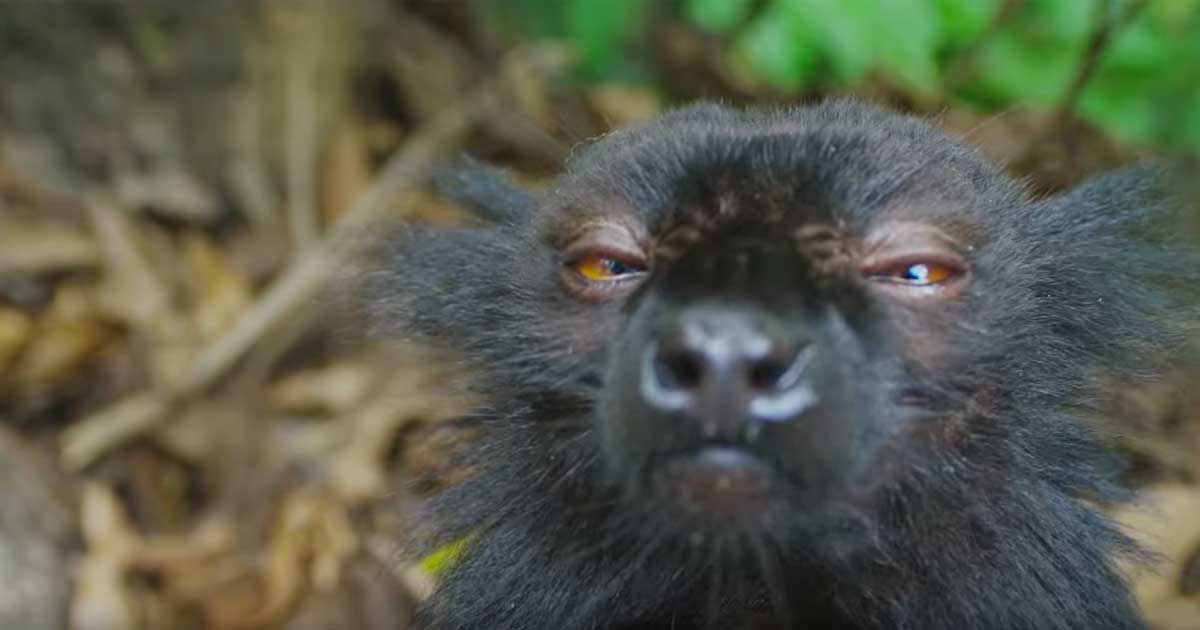
Madagascar’s black lemurs first intentionally rub them against their bodies and use these secretions as a mosquito repellent, but because of their chemical composition, they end up ingesting some of it and get completely high. In a BBC documentary, lemurs are seen exhibiting behavior similar to that of a human under the influence of drugs.
Wallabies on Opium
Australia grows about half of the world's legal opium, which is used to make pharmaceuticals for human use, but wallabies also enjoy the vast fields of opium poppies.
In 2009, Laura Giddings, Tasmania's attorney general, reported that wallabies were causing major problems for crop safety.
«The interesting thing I recently found in one of my reports on the poppy industry is that we have a problem with wallabies entering poppy fields, getting high, running in circles, and then collapsing. In the poppy industry, we see crop circles »caused by drunk wallabies," she said.





















CBD is said to promote athletic recovery, without improving performance

294 cannabis clubs in Chile: a booming movement with uneven distribution

Chronic Sciatica: New York Approves First Clinical Trial of a THC-Based Medication

United States: The DEA is accelerating the integration of medical cannabis at the federal level

Florida is nearing one million patients using medical cannabis

Uruguay Revives Its Plan to Allow Tourists to Legally Access Cannabis

In Brazil, researchers are developing an innovative CBD eye drop

Autism: Medical Cannabis Is Linked to Reduced Anxiety

The $28 billion U.S. hemp market remains under threat

Jamaica Eases Small Farmers' Access to the Cannabis Market
-
 Business5 days ago
The legal cannabis market in New York exceeds 4 billion $ in revenue
-
Cannabis and driving4 weeks ago
Cannabis and CBD: French Drivers Can Now Lose Their License Even Without a Positive Test Result
-

 Cannabis in France2 weeks ago
Which countries legalized medical cannabis before France?
-
Business2 weeks ago
South Korea is preparing to begin local production of medical cannabis to meet rising demand
-
Cannabis in the Netherlands4 weeks ago
One year after the launch of the Dutch cannabis experiment, the first trends are emerging
-
Cannabis in Thailand2 weeks ago
From the boom in dispensaries to a purely medical approach: Thailand is revising its cannabis policy
-
Cannabis in France4 weeks ago
French medical cannabis remains stalled at the Ministry of Health
-
Cannabis in Argentina3 weeks ago
Argentina Opens Its Market to Hemp Flowers Containing 1% of THC

















You must be logged in to post a comment Login